
There is a particular kind of meeting HR teams have started dreading in 2026: the one where finance asks for last year's event spend broken down by outcome, not just by invoice. It used to be enough to say the offsite "went well" and attach a few nice photos to the wrap-up deck. That era is quietly ending. CFOs are asking a much sharper question now, and it is one the whole events industry is scrambling to answer properly: how do companies measure the ROI and success of a corporate event?
Fair question, honestly. Marketing has had attribution models for a decade. Sales has pipeline metrics down to the hour. Events, for a long time, got a pass because "morale" and "culture" felt too soft to quantify. That pass is running out.
Budgets tightened across most sectors through 2025 and into 2026, and when belts tighten, the first line items scrutinized are always the ones without a clean number attached. An offsite costing several lakhs with no measurable outcome attached is an easy target in a budget review. A revenue-linked sales kickoff with a documented lift in quarter one pipeline is a much harder line to cut. The events that survive budget season now are the ones that walked in with a measurement plan, not the ones that walked out with a nice recap video.
Three things keep coming up in these conversations. First, a clear pre-event objective stated in business terms, not vague ones. "Improve cross-team collaboration" is vague. "Reduce time to resolution on cross-department escalations by X percent over the following quarter" is measurable. Second, a post-event data point that ties back to that objective: engagement surveys, retention numbers, pipeline movement, whatever is relevant to the stated goal. Third, and this one surprises people, a cost per attendee benchmark against comparable events, so finance can sanity check whether the spend was reasonable relative to scale and format.
This is where working with experienced corporate offsite planners actually pays for itself. Planners who have run enough of these know which metrics genuinely correlate with event design choices and which ones are just vanity numbers dressed up in a dashboard.
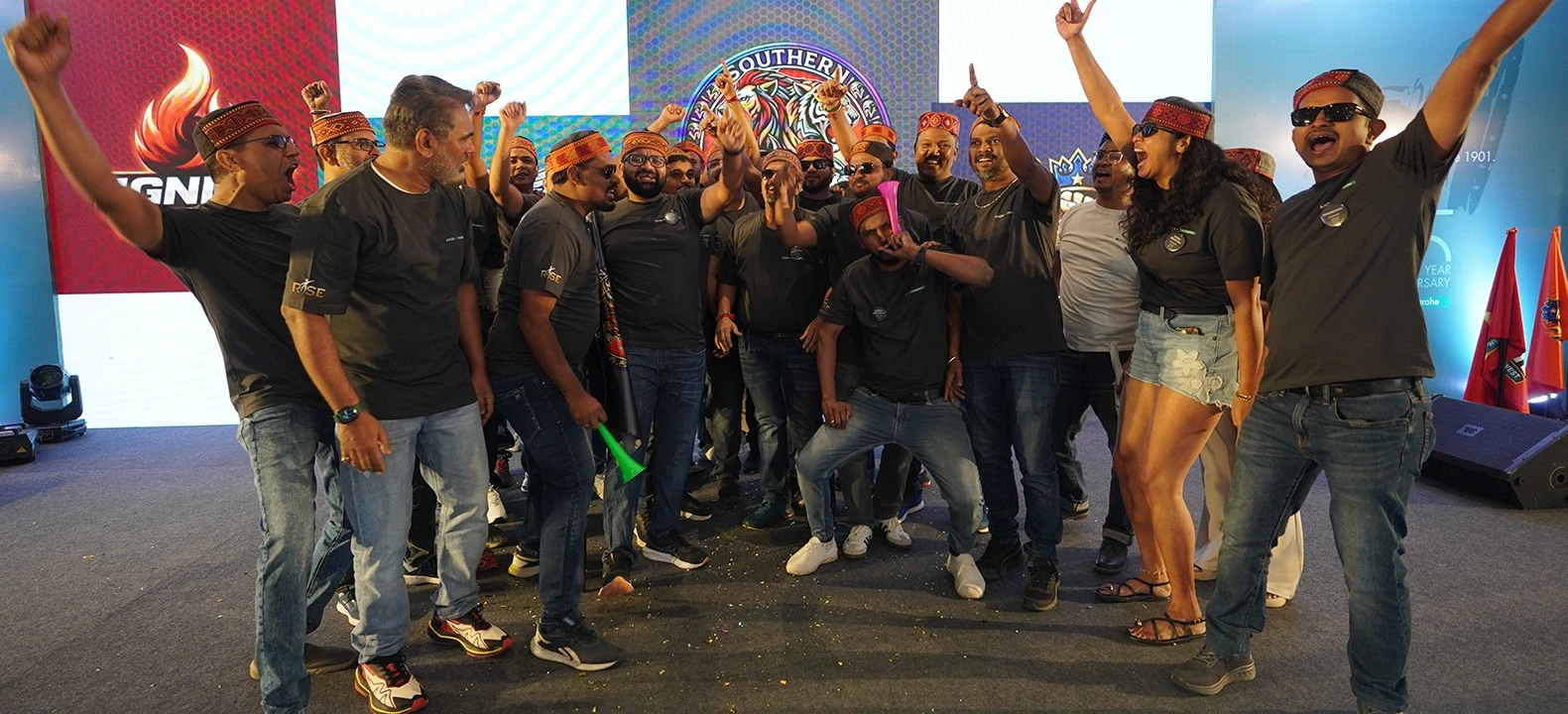

Leadership offsite programs in Gurugram, in particular, have gotten noticeably more outcome-driven over the past year. Where a leadership offsite used to be justified purely on "getting the team aligned," companies are now attaching specific deliverables, a finalized strategy document, a resolved conflict between departments, a concrete decision on a stalled initiative, and measuring the offsite's success against whether that deliverable actually got produced and acted on afterward. It sounds almost too simple, but attaching a tangible output to an offsite changes how seriously people engage with it while they are there, not just how it gets reported afterward.
Not every outcome is cleanly measurable, and pretending otherwise creates its own problems. Culture and morale genuinely matter even when they resist a clean number. The mistake some companies make under CFO pressure is over-indexing on only the easy-to-measure metrics, which can quietly starve the softer but still important goals of an event. The better approach treats measurement as a mix of hard business metrics, where they exist, alongside qualitative pulse checks for the things that do not reduce neatly to a spreadsheet cell.
SKIL Events has increasingly built this dual layer into how event debriefs are structured for corporate clients, pairing quantifiable outcomes like attendee satisfaction scores and follow-up action completion rates with the harder business metrics finance actually wants to see, so a leadership team gets both the qualitative read and the number that survives a budget review.
Honestly, this is one area where picking the best event management company in India genuinely changes outcomes, not just vibes. A planner who treats measurement as an afterthought will hand you a satisfaction survey and call it done. A planner who builds ROI thinking into the planning phase, before the venue is even booked, designs the agenda itself around producing measurable outputs, which makes the after-the-fact reporting conversation dramatically easier.
If your finance team is starting to ask harder questions about event spend, do not treat it as an attack on the value of getting people together in person. Treat it as an overdue correction. Events that are designed with a measurable outcome in mind from day one tend to be better anyway: sharper agendas, clearer purpose, less time wasted on filler content nobody remembers a month later.


By setting a specific, business-relevant objective before the event (not a vague one), then tracking a post-event metric tied directly to that objective, whether it is pipeline movement, retention data, or a completed deliverable.
Overfocusing only on metrics that are easy to measure, which can quietly neglect softer but genuinely important goals like morale and culture that resist clean quantification.
Experienced planners know which metrics actually correlate with event design decisions, helping avoid vanity numbers that look good on a slide but do not reflect real business impact.
Offsites are now frequently built around a specific tangible deliverable, like a finalized strategy document or a resolved cross-department issue, with success measured by whether that output was actually produced and acted on.
Yes, and treating them as unimportant just because they resist a clean number is a mistake. The better approach pairs hard business metrics with qualitative pulse checks rather than dropping the softer goals entirely.