It's 4 PM on a Thursday, the town hall invite pings on everyone's calendar, and half the engineering floor mutes their camera and keeps typing code. Sound familiar? Tech-infused creative conceptualisation- think live polling, interactive Q&A walls, AR product reveals, and gamified leaderboards layered onto the core message, improves corporate event attendee engagement because it turns a passive broadcast into something employees actually have to participate in. When people can vote, react, or ask anonymous questions in real time and watch their input change what happens on stage, attention follows naturally. Companies that redesign their town halls this way consistently see longer watch-through rates, better recall of key announcements, and noticeably higher scores on post-event surveys compared to teams still running a static deck for 45 minutes.
That's the short version. But if you've sat through a town hall where the CEO reads slides while the chat quietly fills up with "can we wrap this up," you already know the real question isn't whether engagement matters. It's how you actually build it into a room full of engineers, product managers, and salespeople who have seen every corporate trick in the book and are, frankly, a little tired of them.
Employee engagement in general has been sliding for years now, and town halls have taken the hit harder than most internal meetings. Recent industry data shows overall employee engagement dropped to a decade-low in the last couple of years, and town halls are often cited as the format employees skip first when things get busy. That's not because people don't care about company updates. It's because the format hasn't kept pace with how people consume information everywhere else in their lives.
Tech and IT companies feel this acutely because their workforce is, by definition, comfortable with technology and unimpressed by anything less polished than what they use daily. An engineer who spends the day in Figma and Notion isn't going to sit still for a 60-slide PowerPoint read verbatim. The bar for "worth attending" is simply higher.
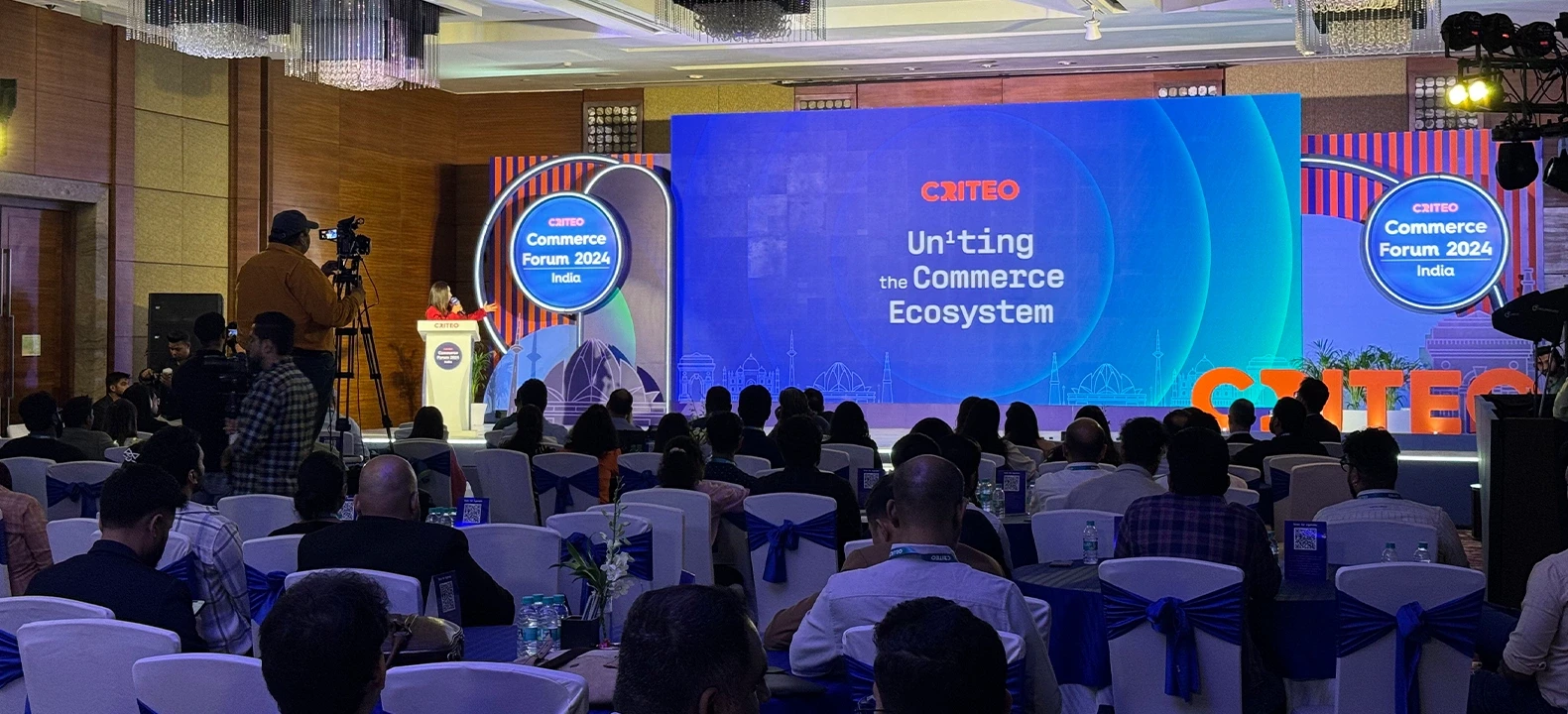

The good news is that the fixes aren't exotic. Some of the highest-impact changes are also the simplest to execute, provided someone plans for them properly instead of bolting them on the week before.
None of this replaces substance. A great town hall still needs a real message, honest numbers, and leadership willing to take hard questions. But the format either helps that message land or actively works against it.
Working across IT, product, and services companies on their annual employee event calendars, a pattern shows up again and again: the town halls people remember are the ones that gave them something to do, not just something to watch. SKIL Events has run town halls and all-hands programs where a five-minute live poll on a product roadmap question generated more genuine buzz in the Slack channel afterward than the CEO's keynote did. As a SKIL Events account manager puts it, "The moment you hand the audience a button to press, a poll to answer, or a question to submit, the room changes. People stop checking their phones because the phone has suddenly become part of the show, not an escape from it."
This is also where corporate event management expertise earns its keep. Getting the AV, the platform integration, the stage design, and the run-of-show to work together without a glitch is what allows the "tech" part of tech-infused conceptualisation to actually land, instead of becoming the thing people remember for the wrong reasons.
Smart tech companies are increasingly treating their town halls as more than an update session. They're folding in light-touch corporate events for team building elements, a five-minute trivia round tied to company milestones, a rapid-fire "guess the metric" game, or breakout polls that pit teams against each other on a leaderboard. It sounds small, but it changes the emotional tone of the room from "information delivery" to "shared experience," which is exactly what a good annual employee event should feel like. This matters even more for distributed and hybrid teams, where the town hall might be one of the only times the whole company is notionally "in the same room" all year.
If your next town hall is more than a slide read-through, start by defining one goal beyond "communicate updates." Do you want people to ask harder questions? Feel more connected to teams they never interact with? Understand a strategic shift well enough to explain it to a client? That goal should shape which tech layer you invest in, rather than bolting on polling because it's trendy. Budget enough lead time for rehearsal too. The best interactive town halls fail when the tech is tested five minutes before doors open. SKIL Events typically builds in a full technical rehearsal window specifically because live polling, hybrid streaming, and stage cues need a dry run under real conditions, not just a checklist.
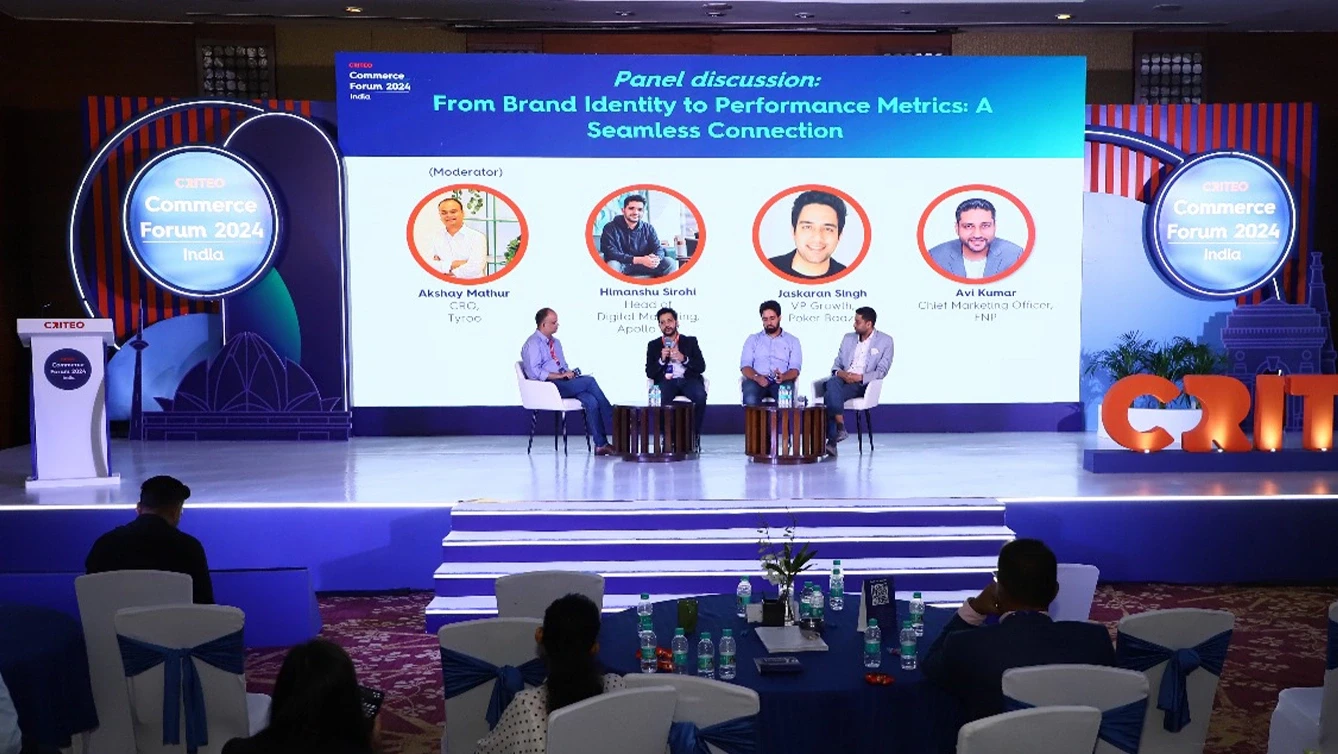
Most engagement data points to 45 to 60 minutes as the sweet spot, including built-in interactive moments. Beyond that, attention drops sharply regardless of how good the content is, so tighter agendas with more interactivity usually outperform longer, denser ones.
The scale of the tech stack should match headcount and budget, but the underlying principle (give people something to do, not just watch) works at 50 people or 5,000. A smaller company might use one live poll tool well rather than five platforms poorly.
A town hall is usually a recurring internal comms touchpoint, often quarterly. An annual employee event is typically a bigger, once-a-year moment, sometimes combining a town hall format with celebration, awards, and team building. Many companies now blend the two into a single flagship gathering.
Look past attendance numbers, which are easy to game with mandatory calendar invites. Track poll participation rates, Q&A submission volume, session replay watch-through percentage, and post-event survey sentiment for a truer picture.
Neither should be an afterthought, but production choices should assume the camera is the primary experience, since remote employees often outnumber the room. Good audio and a dedicated remote Q&A moderator matter as much as stage design.