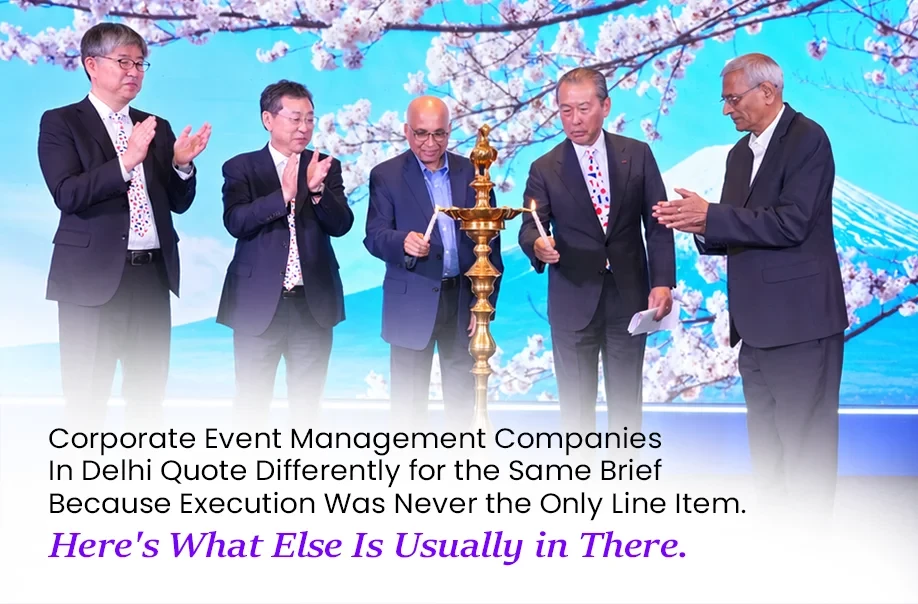
A guest and dignitary management plan for a plant inauguration event should include a verified VIP guest list with confirmed designations, a dedicated protocol team for ministers or senior officials, security clearance coordination with local authorities, a clear arrival-to-departure movement plan for each dignitary tier, and a fallback plan for last-minute schedule changes, which happen more often than anyone would like. For pharma and BFSI companies specifically, this plan also has to sit inside a much stricter compliance framework, transparent hospitality spend, documented interactions with regulators or healthcare professionals, and approvals that often need sign-off from legal and compliance teams before an invite even goes out.
That last part is where things get genuinely tricky for these two sectors, and it's worth spending real time on, because a plant inauguration or leadership event gone slightly wrong isn't just embarrassing. In regulated industries, it can become a compliance problem.
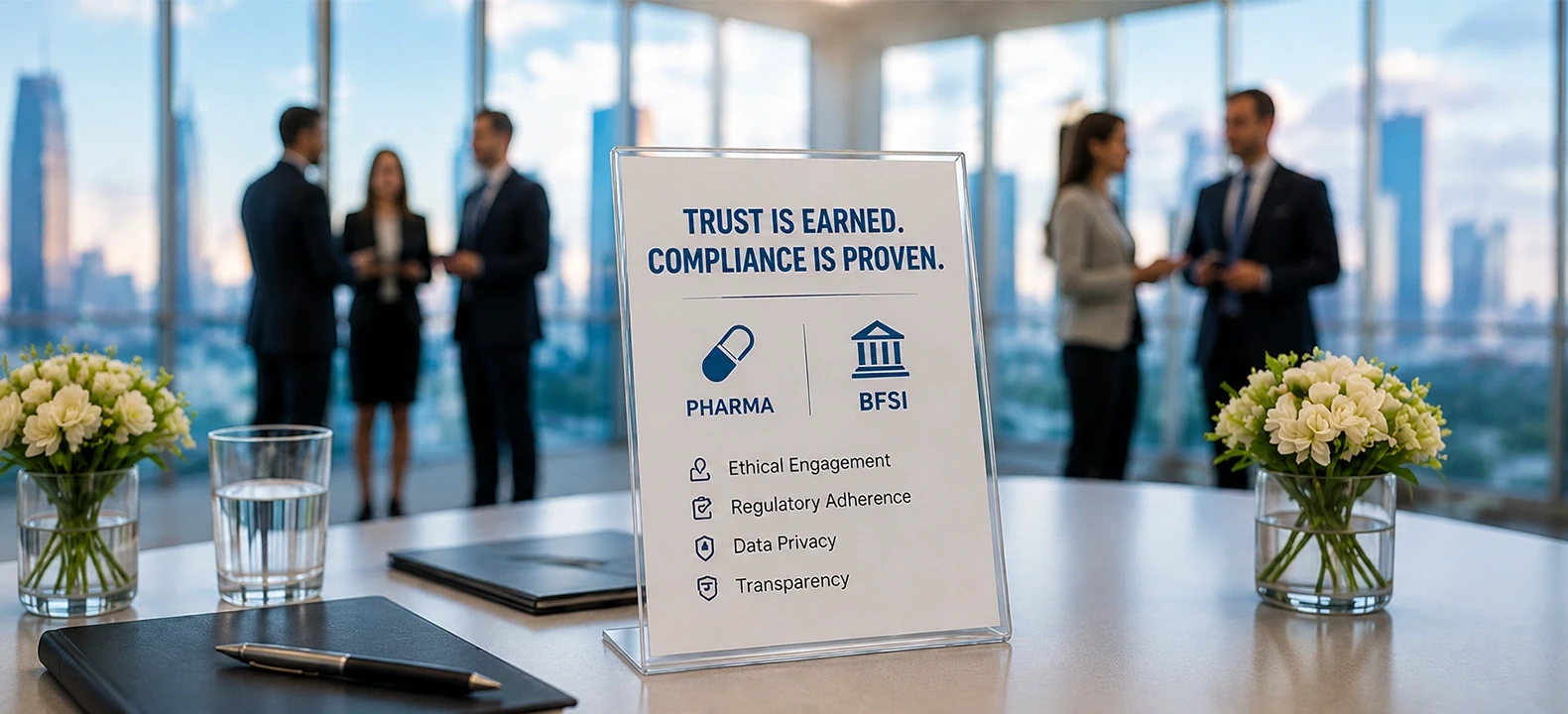
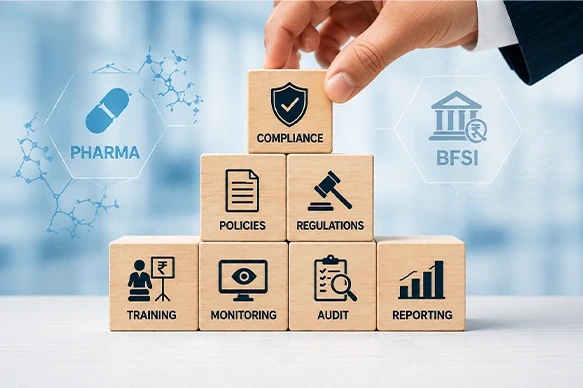
Most industries plan an event around guest experience and budget. Pharma and BFSI companies plan around those two things plus a third, much heavier constraint: regulatory exposure. Pharmaceutical companies in India operate under a dense compliance calendar spanning central and state regulations, and engagements with healthcare professionals specifically require documented, transparent, and ethical conduct, which extends directly into how hospitality, gifting, and even meal budgets are handled at company events. BFSI companies face their own version of this, with recurring regulatory scrutiny around data privacy, disclosure, and conduct that shapes what can and can't happen at a leadership event, an investor day, or a factory inauguration for a manufacturing subsidiary.
What this means practically is that an event management partner working with pharma or BFSI clients needs to build compliance checkpoints into the planning timeline itself, not treat them as an afterthought that legal reviews the week before.

For a grand plant inauguration, the guest list typically has at least three tiers: government dignitaries and ministers (who need protocol officers, security liaison, and precise timing), corporate leadership and board members, and business guests, clients, media, and local community stakeholders. Each tier needs its own choreography.
Getting this sequence wrong doesn't just create an awkward moment on stage. It can create a compliance record that legal teams have to explain later.
For pharma and BFSI clients specifically, the paperwork trail around an event often matters as much as the event itself. Who attended, what was spent on each guest category, what gifts were given and to whom, and how vendor selection was documented- these all need to be captured cleanly, because compliance teams and sometimes external auditors will ask for this later. A factory inauguration for a pharma manufacturing unit, for instance, often needs photographic and written documentation not just for marketing purposes but as part of the regulatory and quality record for the facility itself.
Across pharma, BFSI, and energy sector clients, SKIL Events has learned that the compliance layer isn't a constraint that slows down great execution, it's actually a design input that shapes it from day one. When Nayara Energy needed a sales kickoff for 110 attendees at Kumbhalgarh, or when clients in regulated sectors need dignitary-heavy inaugurations, the guest and protocol plan is built alongside the creative concept, not bolted onto it afterward. As one SKIL Events account manager puts it, "In a regulated industry, the question isn't just who's coming and where they'll sit. It's who's going to need to explain this event to a compliance officer six months later, and whether we've made that conversation easy or painful." That mindset changes how invitations are worded, how gifting is chosen, and how tightly guest movement is documented on the day.
If you're planning a compliance-heavy event, start by looping in your legal or compliance team during the concept stage, not after the guest list is finalised. Confirm dignitary attendance and protocol requirements at least six to eight weeks out for ministerial guests, since security clearances and schedule confirmations take real time. Build a single source-of-truth guest list with designation, tier, and any regulatory flag (media, HCP, government official) attached to each name. And insist your event partner documents spend and gifting per guest category as the event happens, not reconstructed from memory afterward.
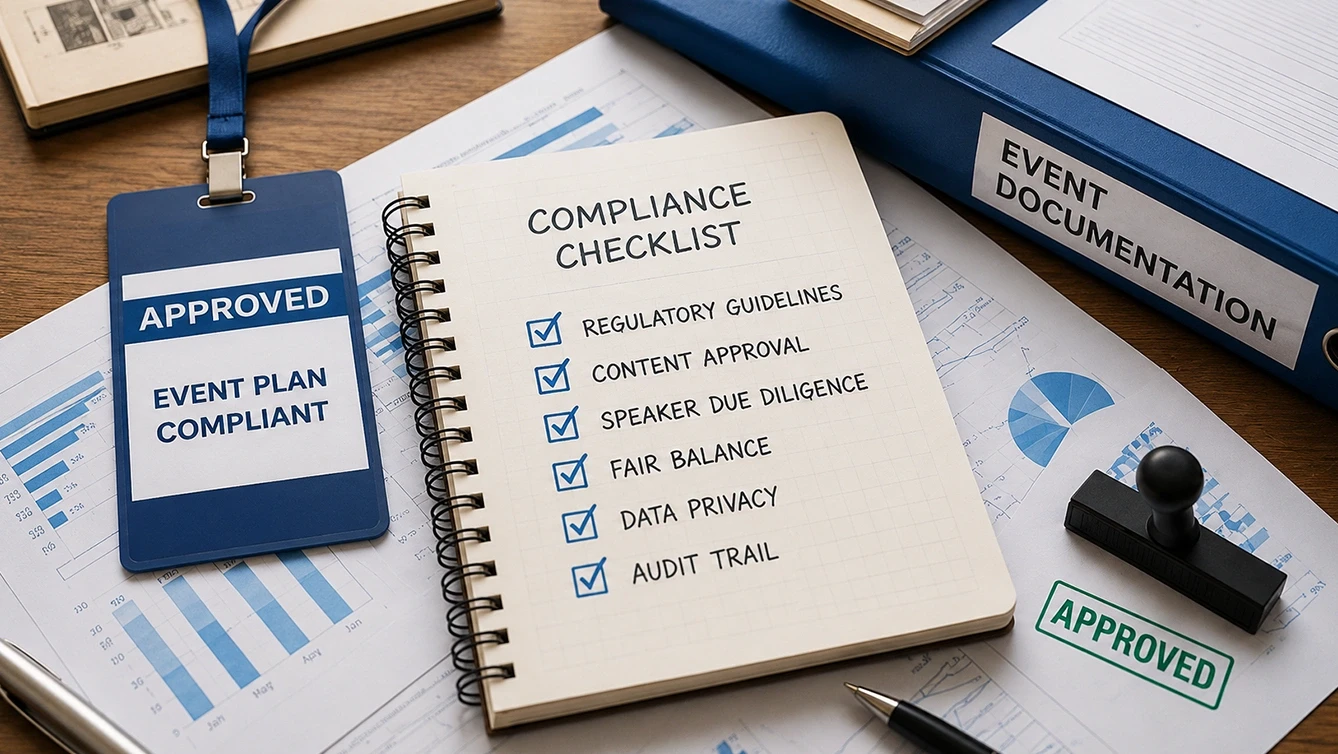
The biggest risk is usually undocumented or excessive hospitality toward regulated guests like government officials or healthcare professionals, since this can trigger scrutiny later even if nothing improper actually happened. Clear documentation at the time of the event is the best protection.
For ministers or senior government officials, six to eight weeks is a reasonable minimum, since security clearance, protocol coordination, and schedule confirmation all take time. Corporate leadership and business guests can typically be confirmed on a shorter timeline.
Not identical, but comparably strict. BFSI compliance concerns tend to center on data privacy, disclosure, and conduct standards, while pharma compliance leans heavily on healthcare professional engagement rules, but both require documented, defensible event spending and guest interactions.
Legal or compliance, corporate communications, plant operations or facilities, and often government relations or public affairs teams should all have input before the guest list and program are finalised, particularly if ministers or regulators are expected.
Yes, and most companies want it to, but the marketing goals need to be balanced against protocol and compliance requirements. A good event partner sequences media moments, photo opportunities, and dignitary time so the marketing outcome doesn't compromise the compliance record.