There is a strange moment that happens to a lot of startups right after they go public. The scrappy energy that got them there suddenly needs to look and feel like a "real company" overnight, investor-facing, board-facing, media-facing, and somehow the events team gets handed this transformation with about six weeks' notice. Product launches, annual town halls, investor days- they all suddenly carry different weight than they did as a private company, and a lot of post IPO startups are getting the milestone events part visibly wrong.
The underlying question worth answering properly is: how do companies execute a product launch event that generates media coverage and brand impact? Because this is exactly where the gap shows up most.
Pre IPO, product launch events could be scrappy, and it reads as authentic: a founder on a small stage, a slightly rough demo, real energy. Post IPO, the same scrappy execution reads as unprepared, because now there are analysts, institutional investors, and financial media in the room evaluating whether this is a company that can execute at scale. The bar for polish rises overnight, but a lot of startups keep planning events with the same internal team and the same modest budget mindset that worked fine pre IPO.
The most common misstep is treating the milestone event as a bigger version of what worked before rather than a fundamentally different format. A product launch event that generates media coverage and brand impact needs deliberate press strategy built in from the planning stage, not bolted on two weeks before: embargo timing, briefing materials for specific journalists and analysts, a clear narrative arc for the announcement that goes beyond "we shipped a thing." Startups that skip this and just throw a nicer party than usual tend to get attendance but not coverage, which defeats the entire purpose of a public-facing launch.
The second mistake is underestimating how differently institutional stakeholders experience an event compared to early employees and enthusiast customers. A board member or an equity analyst is evaluating operational competence through the lens of the event itself: does registration run smoothly, is the agenda disciplined, do executives seem in command of the material? Every operational wrinkle reads as a signal about the broader company, fairly or not.
They build a genuine narrative arc rather than a list of announcements. The strongest product launches frame the release inside a larger story: why now, why this matters for the market, what it signals about where the company is headed, rather than a straight feature rundown. This is what actually earns media coverage, because journalists need an angle, not a spec sheet.
They separate the investor and media experience from the general public experience deliberately, even if it is the same underlying event. A dedicated briefing window for press and analysts before the public reveal, with tailored materials and direct access to leadership, produces meaningfully better coverage than expecting media to extract a story from a general audience event.
They invest disproportionately in the moments that get photographed and quoted. A single strong visual moment, a demo that actually works flawlessly on stage, a genuinely quotable line from leadership, does more for media pickup than an evenly distributed budget across every part of the event.
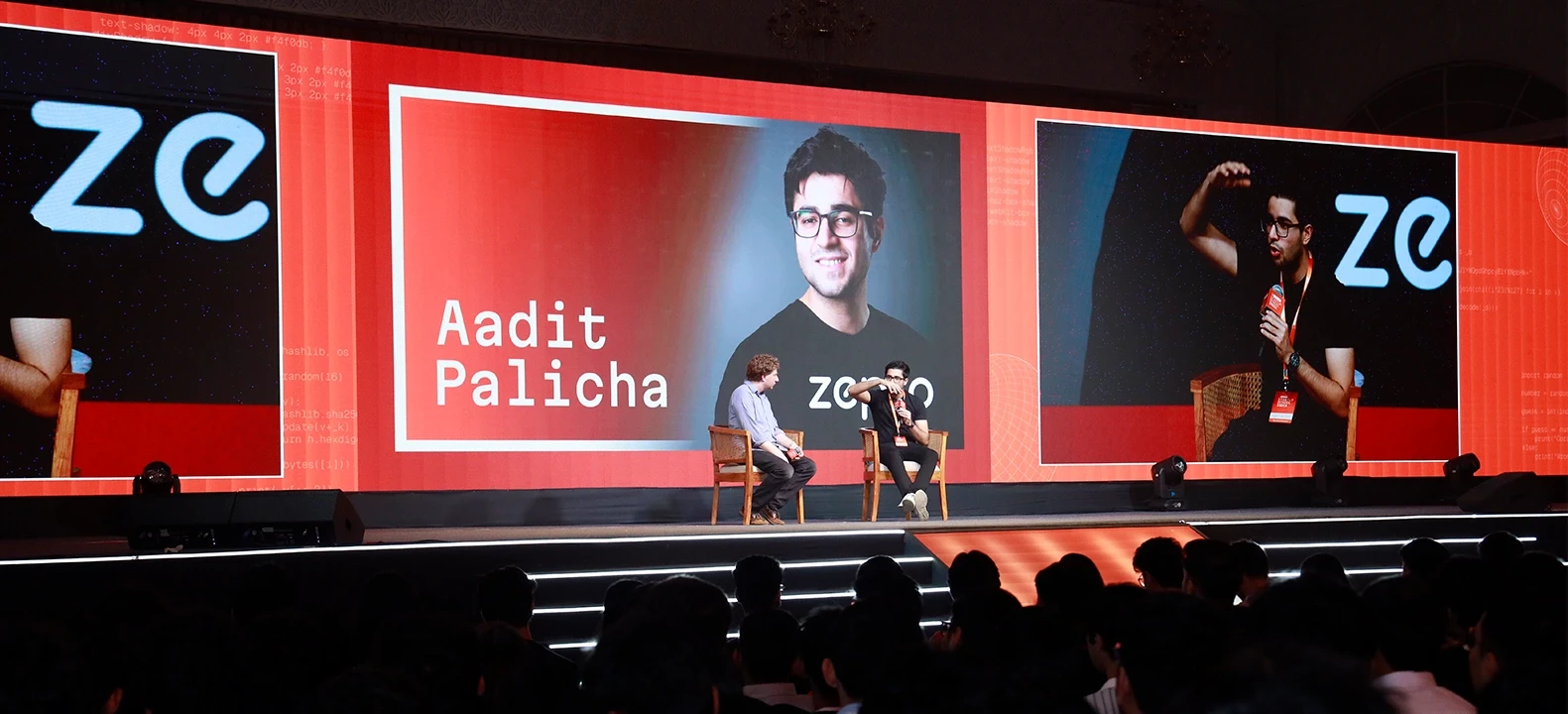

This is where many post IPO companies get caught out, because their internal events capability was built for a much smaller company. Handling a flagship product launch that needs to satisfy media, investors, employees and customers simultaneously is a different operational challenge than an internal all-hands. Companies without in-house capacity for this scale increasingly bring in experienced partners specifically for these milestone moments, treating flagship launches as distinct from the regular internal event calendar rather than folding them into the same process.
SKIL Events has worked with growth-stage companies navigating exactly this transition, where the operational demands of a public-facing flagship event outpace what an internal team built for smaller gatherings can reasonably handle alone, bringing in dedicated press logistics, VIP handling for institutional stakeholders, and the kind of contingency planning that a company cannot afford to improvise once analysts and media are in the room.
If your company just went public or is heading that way, do not wait until the week of your next major announcement to rethink how these events get planned. Build the press and analyst strategy into the event brief from day one, not as an afterthought. Accept that the operational bar has genuinely changed, not just the optics. And be honest with yourself about whether your internal team, built for a smaller company, has the bandwidth to execute at the level your new stakeholders expect, because a milestone event that reads as unprepared costs more than the price of bringing in help would have.
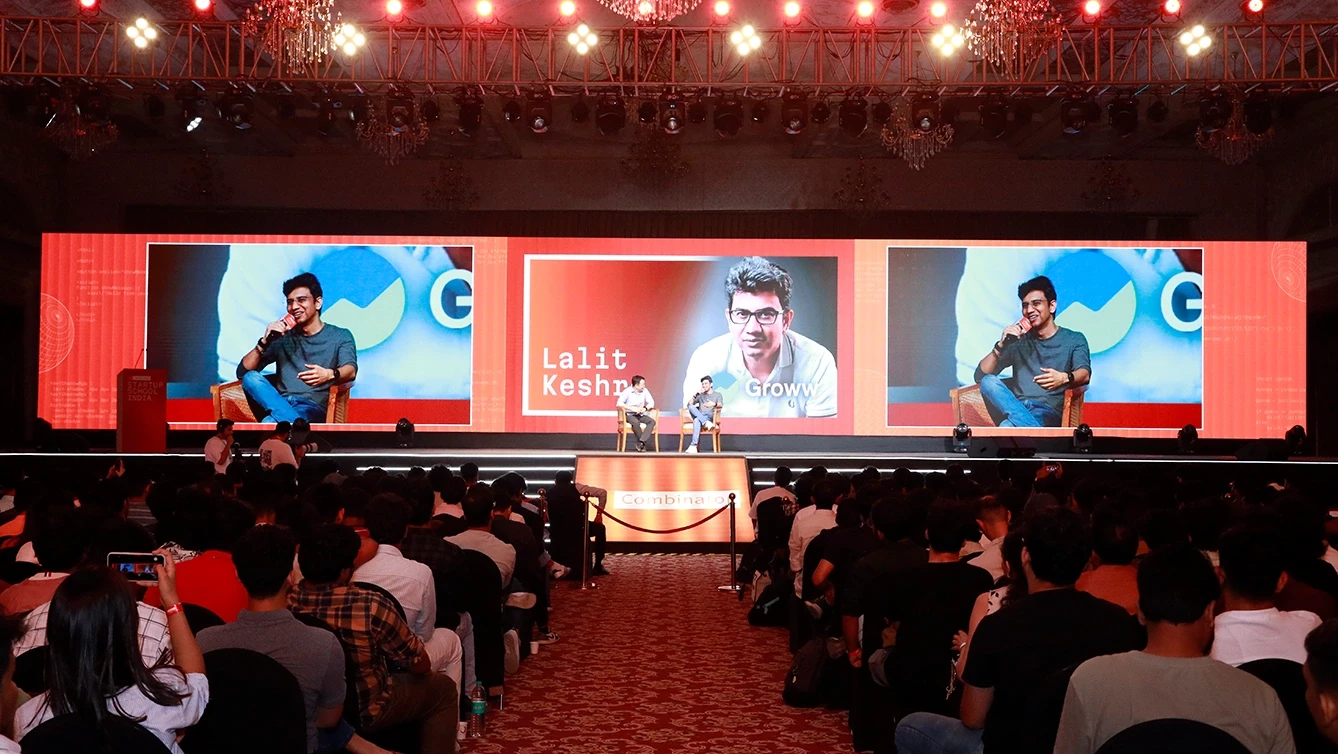
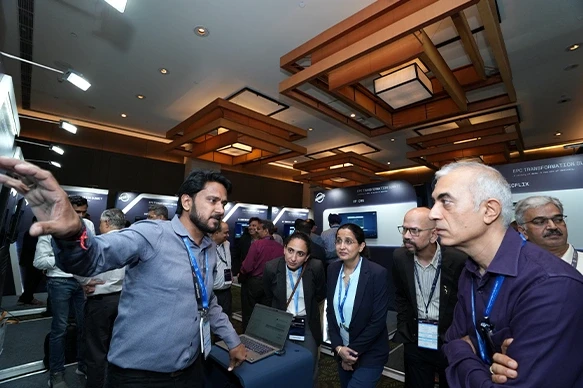
By building a genuine narrative arc around the announcement, creating a dedicated press and analyst briefing experience separate from the general audience, and investing disproportionately in the specific moments most likely to be photographed and quoted.
Treating the event as a scaled-up version of what worked pre IPO rather than recognizing that institutional stakeholders evaluate operational competence through the event itself, raising the bar for polish and press strategy significantly.
Public companies face ongoing scrutiny from analysts, investors, and financial media, and a launch that fails to generate coverage or reads as unprepared can signal broader operational concerns, fairly or not.
Generally yes. A dedicated briefing window with tailored materials for press and analysts tends to produce better coverage than expecting journalists to extract a story from a general audience event.
When the operational demands of a milestone event, media handling, investor logistics, and contingency planning exceed what an internal team built for smaller gatherings can reasonably manage without risking a visibly unprepared event.