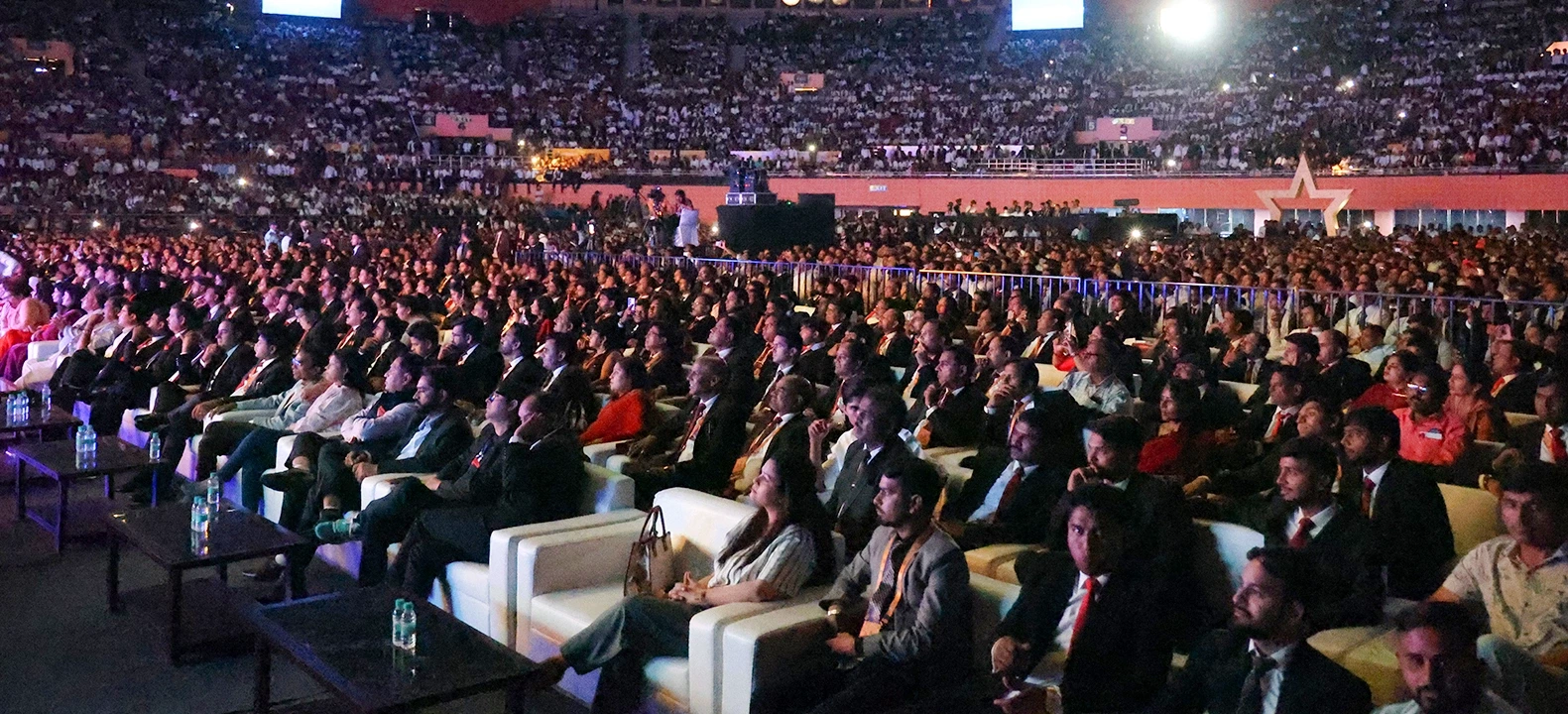
There is a shift happening in Luxury event management across India right now, and it is a little ironic given how the last decade went. For years, the unspoken rule was bigger stage, louder sound system, more pyrotechnics, more celebrity cameos, because that is what signalled "we have arrived" to employees and clients alike. Now some of the biggest corporate names in the country are quietly doing the opposite: smaller guest lists, understated venues, less noise, more actual substance. Quiet luxury has landed in event planning, and it is forcing a real conversation about what mistakes companies make when planning large-scale corporate events in India.
It is not about spending less. If anything, some of these pared-back events cost more per attendee than their loud predecessors. The shift in luxury event management is about where the money goes. Instead of massive stage builds and headline performers, budgets are moving toward genuinely exceptional food, meticulously chosen venues, curated small group experiences, and details that only register subconsciously: thread count on the linens, the specific way a welcome drink is presented, lighting that makes a room feel considered rather than lit up like a stadium. It is luxury that whispers instead of shouts, and for a certain tier of client and employee, it lands with far more weight than a fireworks show ever did.
A few things converged here. First, employees, especially younger ones, have gotten noticeably more skeptical of performative extravagance. A company blowing an enormous budget on a flashy celebrity appearance while headcount freezes loom elsewhere does not read as generous anymore; it reads tone deaf. Second, senior leadership and clients at the highest tier have simply seen every big loud format already. Novelty wears off fast when every company's flagship event looks structurally identical: big stage, big screen, big name. Quiet, considered events stand out precisely because almost nobody is doing them well yet.

This is genuinely one of the harder formats to execute, which is exactly why so many companies get it wrong when they attempt it. The most common mistake is confusing "quiet" with "cheap" and simply cutting production value without replacing it with anything considered, which just reads as a lower-budget event, not a luxurious one. Another frequent misstep is applying the quiet luxury aesthetic to the wrong audience or occasion; a product launch that needs energy and buzz does not benefit from a hushed, minimalist format, while a leadership offsite or an exclusive client dinner absolutely does. Matching format to purpose matters more than chasing a trend for its own sake.
A third mistake, and this one is subtle, is underinvesting in the details that actually carry quiet luxury. A pared-back stage with mediocre catering and generic centerpieces is just a smaller, worse version of the loud event. The details have to be genuinely excellent, not just reduced, for the format to land the way it is supposed to.
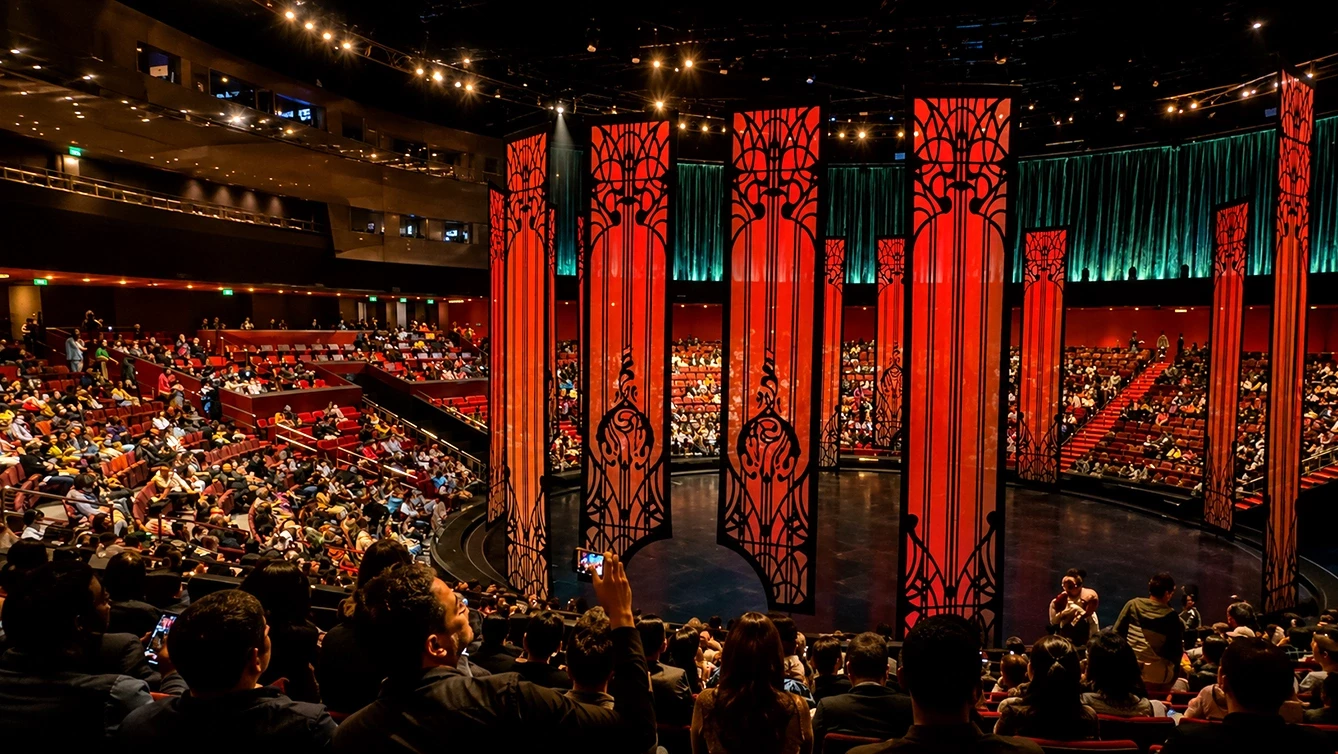
Luxury event management in this style leans heavily on venue selection first. A heritage property, a design-forward boutique hotel, a space with genuine architectural character does more heavy lifting than any stage design ever could. From there, guest experience gets built around fewer, more meaningful touchpoints: a chef's table-style dinner instead of a buffet line, a curated gifting moment instead of a mass giveaway, live acoustic music instead of a full production number.
SKIL Events has been navigating this shift with corporate clients moving away from their traditional larger format events toward smaller, more considered gatherings, particularly for leadership circles and top-tier client entertainment, where the goal has shifted from visible scale to felt exclusivity. The planning conversation itself changes too; instead of "how big can we make this," the operative question becomes "what will actually make the twenty people in this room feel like this evening was built specifically for them?"
Not necessarily, and this matters. A large-scale employee celebration meant to energize a workforce of several thousand people genuinely benefits from scale and spectacle; that is a different job than an intimate leadership dinner. The best corporate event management company in India will help clients figure out which occasions call for quiet luxury and which still need the big loud format, rather than defaulting to one aesthetic across every event on the calendar. Corporate event planners who understand this distinction, rather than pushing every client toward whatever is currently trending, tend to deliver events that actually fit their purpose.
If your company is considering this shift, start by asking what the event is actually meant to achieve, not what looks impressive on Instagram. Sometimes the answer is still fireworks. Increasingly, though, the answer is a smaller room, better food, and details nobody notices until they realize the whole evening felt effortless.
Common ones include confusing reduced production with genuine luxury, applying a quiet aesthetic to occasions that actually need energy and scale, and cutting visible spectacle without reinvesting that budget into details that actually carry a considered, high-end feel.
Not necessarily. Per attendee costs can be equal or higher, since the budget shifts toward exceptional food, venue selection, and curated details rather than stage production and celebrity bookings.
Leadership offsites, exclusive client dinners, and smaller executive gatherigs tend to suit this format well, while large scale employee celebrations meant to energize a big workforce usually still benefit from scale and visible spectacle.
Luxury event management typically prioritises venue character, curated small group experiences, and subtle high-end details over large production elements, requiring a different planning approach than a big stage, big audience format.
No. The right format depends on the event's actual purpose. Corporate event planners who understand this will match the aesthetic to the occasion rather than defaulting to whatever is currently trending across the industry.