If you’ve ever heard “Can everyone hear me?” echo awkwardly through a ballroom, you already know this truth:
AV doesn’t fail loudly.
It fails publicly.
And when it does, nobody blames the cables, the consoles, or the power load. They blame the event. The brand. The organiser.
This is why experienced teams operating within a corporate event planner association treat AV partners with the same seriousness as venues or speakers. Because great events don’t just need good ideas. They need ideas that survive microphones, screens, and lighting cues.
At SKIL Events, we’ve seen this repeatedly. The events that run smoothly aren’t lucky. They’re interrogated early.
So instead of another surface-level checklist, here are five questions that actually separate dependable AV partners from risky ones. These aren’t technical trivia. They’re judgment tests.
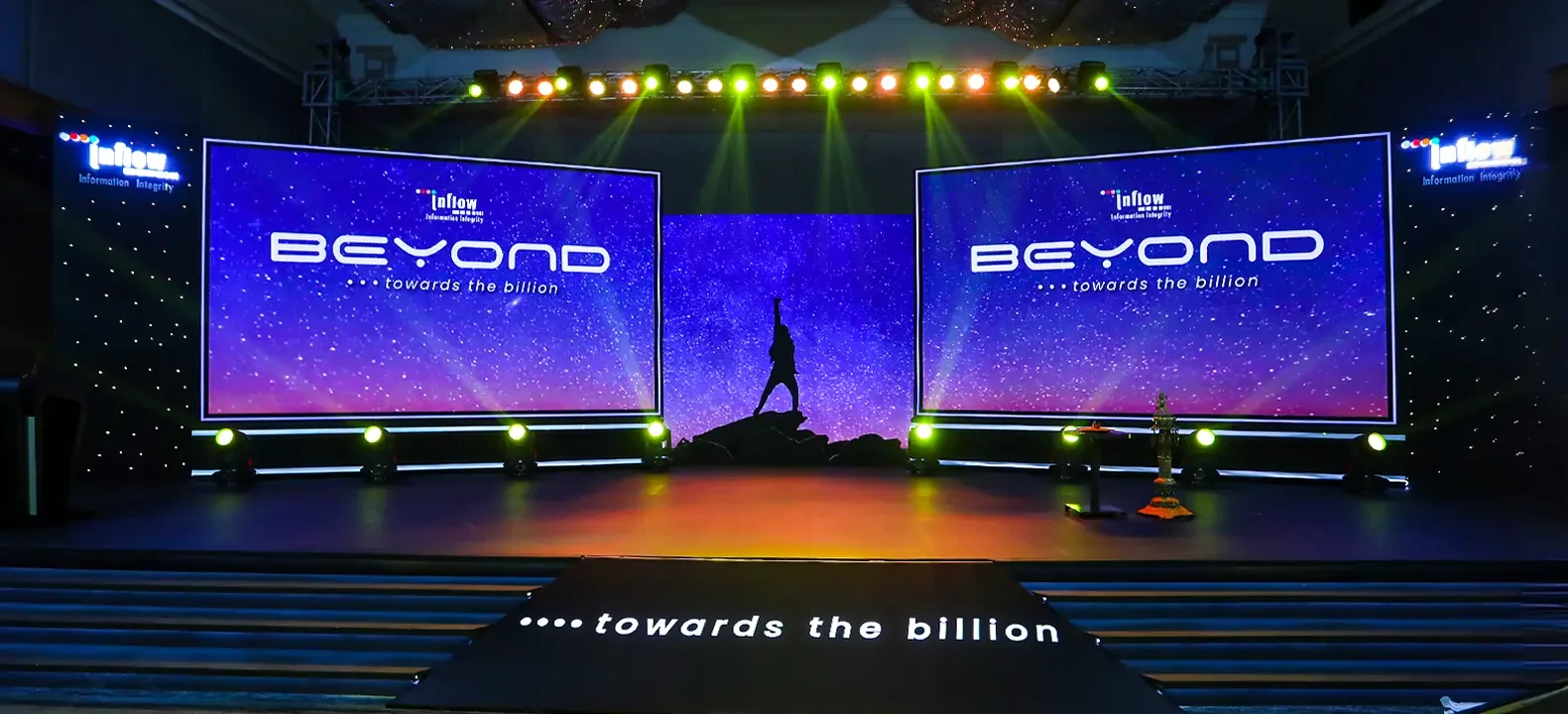

This question tells you almost everything you need to know.
Any AV partner can list equipment. Very few can explain how they prepare for failure.
According to standards published by the Event Industry Council, over 60% of live event technical disruptions are caused by insufficient testing and rehearsal, not faulty equipment.
A serious AV partner should speak confidently about:
If the response is vague or overly casual, that’s a warning sign.
Seasoned corporate event planners know this well: the most important AV work happens when nothing is happening. Quiet rehearsal rooms matter more than flashy control desks.
This question makes people uncomfortable. That’s intentional.
AV failures are rarely technical puzzles. They’re decision-making moments under pressure.
Research from Deloitte’s Live Experience and Operations Studies shows that events with clearly defined technical authority recover from disruptions up to 45% faster than events with unclear escalation paths.
Listen carefully to the answer.
Is there:
If decisions depend on someone “checking with headquarters,” you’ve already lost time you won’t get back.
This is one of the most overlooked corporate event planning tips, because it feels pessimistic. In reality, it’s professional risk management.
AV design shapes attention more than most people realise.
What works for a product launch can overwhelm a leadership summit. What excites at a townhall can distract at a strategy meet.
According to insights published by Harvard Business Review, audience comprehension drops by nearly 30% when audio-visual intensity is misaligned with cognitive load and context.
A strong AV partner should ask you questions:
If their AV solution looks identical for every event, that’s not efficiency. That’s inflexibility.
When you hire corporate event planner teams with strong AV judgment, this alignment happens naturally. Without it, even great content struggles to land.
This question exposes the mindset.
Some AV partners treat show day like delivery day. Gear is set. Levels are checked. Responsibility fades into the background.
Live events don’t work that way.
According to operational research shared by McKinsey & Company, real-time responsiveness during live experiences has a direct correlation with perceived event quality and brand confidence.
Ask your AV partner:
The best AV partners stay mentally present throughout the event. They don’t disappear into the control booth.
This is why experienced members of a corporate event planners association often stick with the same AV teams. Reliability under pressure is hard-earned.
No event operates in isolation.
There’s staging, content teams, venue operations, lighting designers, sometimes international crews, and often last-minute speaker changes.
According to experience studies from Forrester, events with strong cross-vendor collaboration experience fewer on-ground escalations and higher stakeholder satisfaction.
A weak AV partner becomes a bottleneck.
A strong one integrates quietly.
Watch for maturity in how they describe collaboration:
This is where corporate event management either looks seamless or chaotic.
Most AV evaluations start with equipment.
LED size. Speaker wattage. Control systems.
That’s understandable. It’s visible.
But equipment doesn’t make decisions. People do.
The corporate event planners who consistently deliver high-stakes events understand this. AV success depends on judgment, not spec sheets.
This is why participation in a corporate event planners association isn’t just about community. It’s about shared standards. About knowing which questions protect outcomes and which ones only sound impressive.
AV failures don’t just interrupt moments.
They damage trust.
According to brand experience research from PwC, technical disruptions at live events have a stronger negative impact on brand recall and trust than content-related issues.
Speakers lose confidence. Audiences disengage. Brands pay the price long after the lights go out.
Asking better questions upfront is far cheaper than repairing credibility later.
The most mature shift we see at SKIL Events is this:
AV is no longer treated as a service. It’s treated as a strategic layer.
When AV partners understand intent, audience psychology, and event flow, technology becomes invisible. And in live events, invisibility is success.
That’s why teams don’t just hire corporate event planner services. They build long-term partnerships.
Trust compounds. Chaos doesn’t.
Before your next AV briefing, skip the equipment list for a moment.
Ask instead:
The answers will tell you everything.
Because great AV doesn’t announce itself.
It supports the story quietly.
And in the world of corporate event management, quiet competence is the loudest signal of all.