18 November ,2026

Event Management Glossary: Terms Every Corporate Buyer Should Know

What are the common event management terms a corporate buyer should know? The most useful ones are run of show, load-in, pax, rider, hold, BEO, site recce and contingency. Knowing them helps you read proposals, ask better questions and avoid surprises.

Event management has its own language. Vendors use it quickly, and a buyer who doesn't know it can feel lost in a meeting. This glossary from SKIL Events is organised by stage, with a plain-English definition for each term, so you can scan it or quote it.

Planning terms

  • Brief: a short document that explains the event's purpose, audience, date, budget and expectations.
  • RFP: a request for proposal. It's a formal document sent to vendors asking for quotes and plans.
  • Pax: short for passengers or people. In events it means guest count, as in "200 pax".
  • Site recce: a visit to the venue before booking, to check layout, access, power and facilities.
  • Event planning: the process of setting goals, choosing a venue, building a budget and organising the logistics.
  • Contingency: money kept aside for surprises, usually five to ten percent of the budget.
  • Hold: a temporary reservation of a venue or date, with a deadline to confirm.

Venue and space terms

  • Capacity: the number of guests a venue can host. It changes by layout, such as theatre or banquet.
  • Theatre style: rows of chairs facing a stage, with no tables.
  • Banquet style: round tables with chairs, used for dinners and awards.
  • Cocktail style: standing guests, with high tables and roaming food.
  • BEO: banquet event order. A hotel's detailed document that lists the food, timing and setup for an event.
  • Room block: a set of hotel rooms reserved for your guests at a fixed rate.
  • Attrition: the penalty if fewer rooms or guests are used than agreed.

Production terms

  • Run of show: the minute-by-minute schedule of the event.
  • Cue sheet: a list of cues for lights, sound, video and speakers.
  • Load-in: the time when crew and equipment arrive and set up.
  • Load-out or strike: the time when everything is dismantled and removed.
  • Rig or truss: the metal framework used to hang lights, speakers and screens.
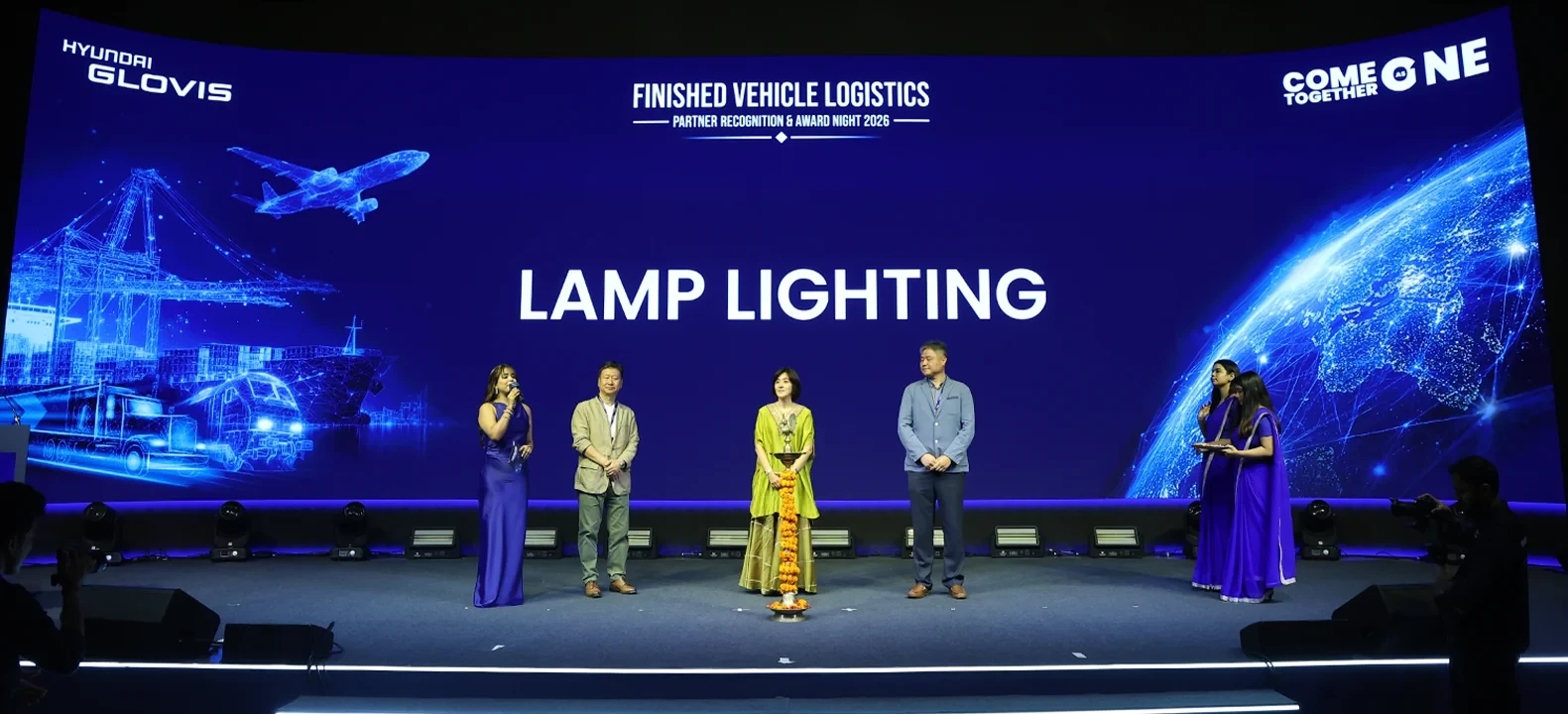
  • LED wall: a large screen built from LED panels, used as a stage backdrop.
  • AV: audio and video equipment, including sound, projectors and screens.
  • FOH: front of house. The area where the audience sits, and often the control desk.
  • Soundcheck: a test of the audio before guests arrive.
  • Green room: a private space for speakers or artists before they go on stage.

Terms like these appear in quotes from corporate event production companies, so knowing them helps you compare line items.

Artist and hospitality terms

  • Rider: a list of requirements from an artist, such as sound equipment, food, hotel and transport.
  • Technical rider: the part of the rider that covers sound, lights and stage needs.
  • Hospitality rider: the part that covers food, drinks, accommodation and travel.
  • Emcee or MC: the host who guides the audience through the event.
  • Backline: equipment like amps, drums and keyboards provided for live bands.

Business terms

  • Management fee: a percentage or fixed charge for the planner's work.
  • Pass-through costs: costs paid on your behalf, like venue fees, which are billed at cost.
  • Force majeure: an event outside anyone's control, such as a natural disaster, that can cancel a contract.
  • Cancellation terms: the rules for what you pay if you cancel.
  • MICE: meetings, incentives, conferences and exhibitions.
  • DMC: destination management company, a local specialist at a destination.
  • PCO: professional congress organiser, who runs large conferences.

Corporate Event Production Companies
Pattern

Which terms matter most?

If you only learn five, learn these:

  1. Run of show. It tells you how the event will actually flow.
  2. Load-in time. It tells you whether the production is realistic.
  3. Capacity by layout. It tells you if the venue fits your guests.
  4. Contingency. It tells you if the budget has room for surprises.
  5. Cancellation terms. It tells you what happens if plans change.

How should you use a glossary in a meeting?

Don't read it out loud. Use it to ask sharper questions. When a vendor says the load-in is at 6 am, ask what happens if the venue isn't ready. When they mention a rider, ask who covers the artist's hotel. When they say "contingency", ask what it covers. Specific questions get specific answers.

Terms people often confuse

A few pairs of terms get mixed up in proposals. Here's how to tell them apart:

  • Venue hold vs booking: a hold is temporary and free or low cost. A booking is a signed commitment with payment terms.
  • Rehearsal vs soundcheck: a rehearsal runs the programme with speakers and artists. A soundcheck only tests the audio.
  • Registration vs ticketing: registration collects guest details for a private event. Ticketing sells or issues entry for a public one.
  • Quote vs estimate: a quote is a firm price for a defined scope. An estimate is a rough guide that can change.

If you aren't sure which one a vendor means, ask. It takes ten seconds and avoids expensive misunderstandings later.

How SKIL Events explains it

At SKIL Events, we share a short list of key terms with clients at the start of a project, so everyone is on the same page. Our teams plan corporate events from small meets to stadium-scale launches, and the language stays the same at every size. If a term in a proposal isn't clear, we explain it. A vendor who can't explain their own terms probably can't explain their own costs.

A short checklist for reading a proposal

  1. Check the run of show and the load-in time.
  2. Look for capacity by layout, not just a single number.
  3. Review the contingency and cancellation terms.
  4. Ask who holds each rider and permit.
  5. Confirm what is a management fee and what is pass-through.
  6. Ask for any unclear term in plain words.

If a term needs a translator, the plan needs a rewrite. Good vendors explain things simply. (SKIL Events)

Event Planning Event Management

Frequently Asked Questions

Pax means the number of people, as in 200 pax for 200 guests. It's used in quotes, venue sheets and seating plans.

A run of show is the detailed schedule of the event, minute by minute. It lists who does what, and when.

Load-in is when the crew and equipment arrive to set up. A realistic load-in window is one of the best signs of a well-planned production.

A management fee pays for the planner's work. Pass-through costs are third-party expenses, like venue fees, billed at cost.

SKIL Events explains key terms at the start of each project and in every proposal, so clients can follow the plan.

Let's Connect!