If your regional headquarters sits in Singapore and your India team sits in Bengaluru, Pune or Gurugram, you already know the tension. You can't be everywhere, and you don't want to micromanage. But you also can't sign off on an event you've never seen. The good news is that an event management company in India for Singapore companies can help you build a rhythm that works. Here's what that looks like in practice.
Singapore and India are close on the map and on the clock. India is two and a half hours behind Singapore, so most of the working day overlaps. A call at 9:30 AM in India is 12:00 noon in Singapore, which is hardly a hardship.
The real problem is decisions. Who decides what, by when, and what happens when two people disagree? When that's unclear, even a well-run event slows down.
A good brief is something a stranger could pick up and understand in five minutes. Aim for one page.
Share it with the India team before sharing it with the vendor. They'll spot clashes early, such as a date that falls on a major festival.
A useful trick is to add a "what good looks like" line. For example: "Staff leave feeling proud of the company, and nobody waits more than ten minutes at registration." It gives the whole chain, from HQ to the stage crew, the same picture of success.
Most delays come from waiting for a yes. Split decisions into three groups.
Write the list down. When everyone knows which colour a decision belongs to, fewer messages get stuck.

Rather than reviewing everything, review at four moments.
These gates give regional leaders real control without needing to attend every meeting. If a gate is missed, the plan waits. That's the rule.
Singapore and India keep different holiday calendars. A date that works nicely in Singapore may clash with Diwali, a regional festival or a local election in India. Before you fix a date, put both calendars on the same page.
Pick one fixed time each week for a thirty-minute call. Keep a running list of open decisions and who owns each one. After every call, send a three-line summary. It's a small habit, but it removes most "I thought you said" moments. That habit alone saves hours monthly.
If a decision can't wait for the weekly call, use a short message with three parts: what the decision is, the options and the deadline. That small format saves long email chains.
Keep the message, the brand and the final say on money. Hand over the logistics: venues, vendors, permits, transport and on-site decisions. It's tempting to hold on to the details, but a regional team that tries to run an event from another country usually ends up exhausted.
Trust is the other half. If your India partner has earned it, let them take the lead on the day, and ask for a short evening message with photos so you still feel close to the event.
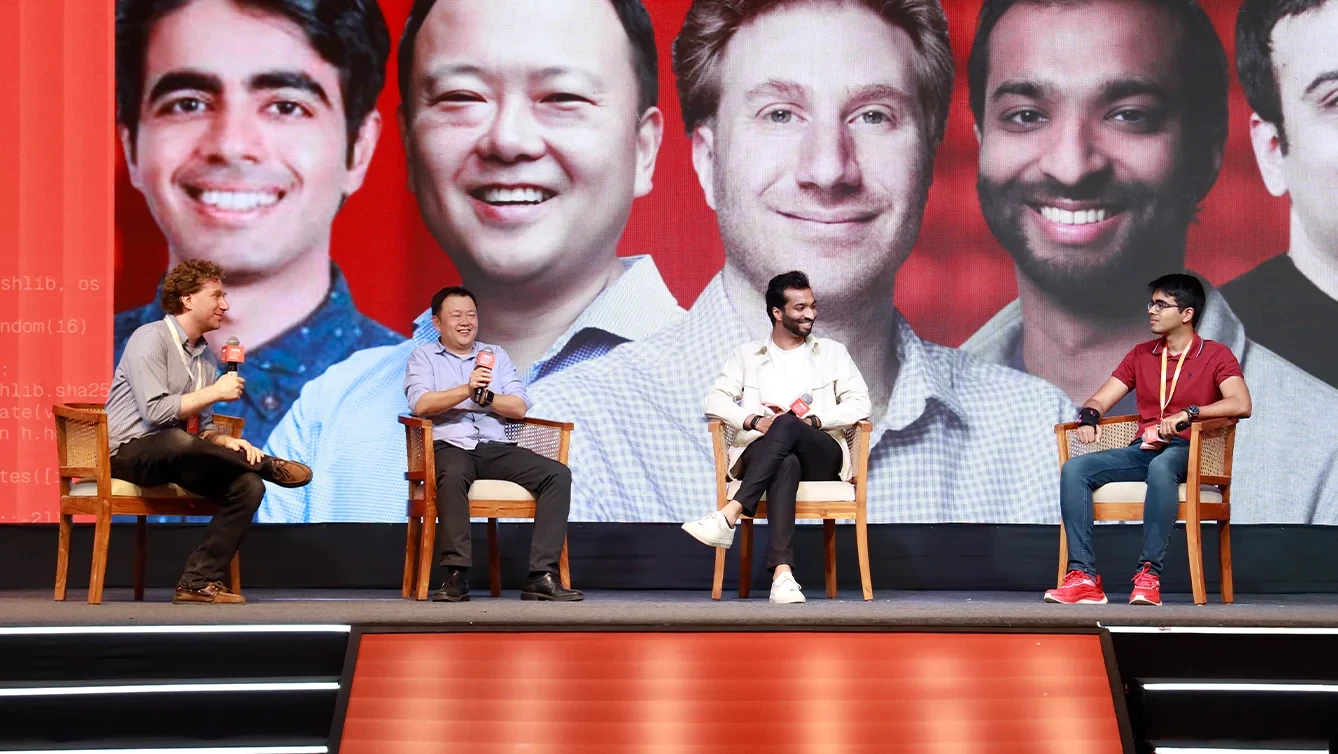
For Property Guru Group, a Singapore-headquartered company, SKIL Events planned a rewards and recognition offsite in Bengaluru for around 100 guests. The format worked because the roles were clear: the company set the goals and tone, and our team handled the venue, programme and logistics.
Honestly, most of these fixes cost nothing but a conversation.
SKIL Events is a MICE and events company in India with 24 years of experience. We handle events, travel and on-ground logistics together, and our group includes SKIL Travel, which manages more than 150,000 room nights a year. For a corporate event management company in India, that means fewer vendors for you to chase and one team accountable for the outcome. When shortlisting an event management company in India for Singapore companies, ask who your single contact will be and whether they've worked with regional approval chains before. Their answer says a lot.
1. Write a one-page brief and share it early.
2. Sort decisions into green, amber and red.
3. Set four review gates.
4. Keep one weekly call at a fixed time.
5. Ask for photo or video walkthroughs before the event.