Alright so this happens all the time. Someone from leadership walks up and goes "we should do a seminar" and then someone else chimes in "actually no, we need a conference." And you're standing there like... do you guys even know what the difference is? Because from where you're sitting, it sounds like neither of them actually does.
This confusion is way more common than anyone wants to admit. A "seminar" somehow balloons into this three-day thing with 500 people. Or a "conference" ends up being thirty people in a room for half a day. And you, the corporate events planner, are stuck figuring out what they actually need versus what they think they're asking for.
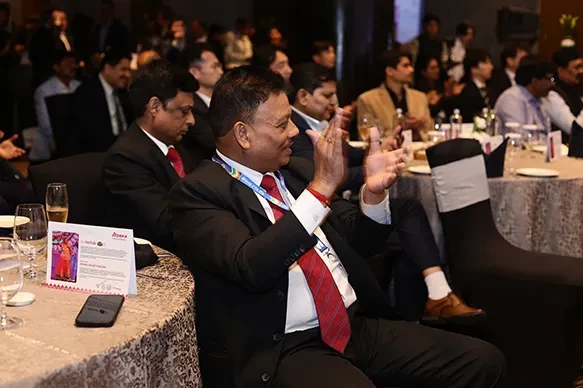
Let's sort this out once and for all. Because when SKIL Events handled the GBTA India Summit at The Leela Ambience in Gurugram, 200 people showing up, we knew immediately what we were dealing with. Not a seminar. A full-scale business conference. And understanding that difference shaped literally every decision we made.
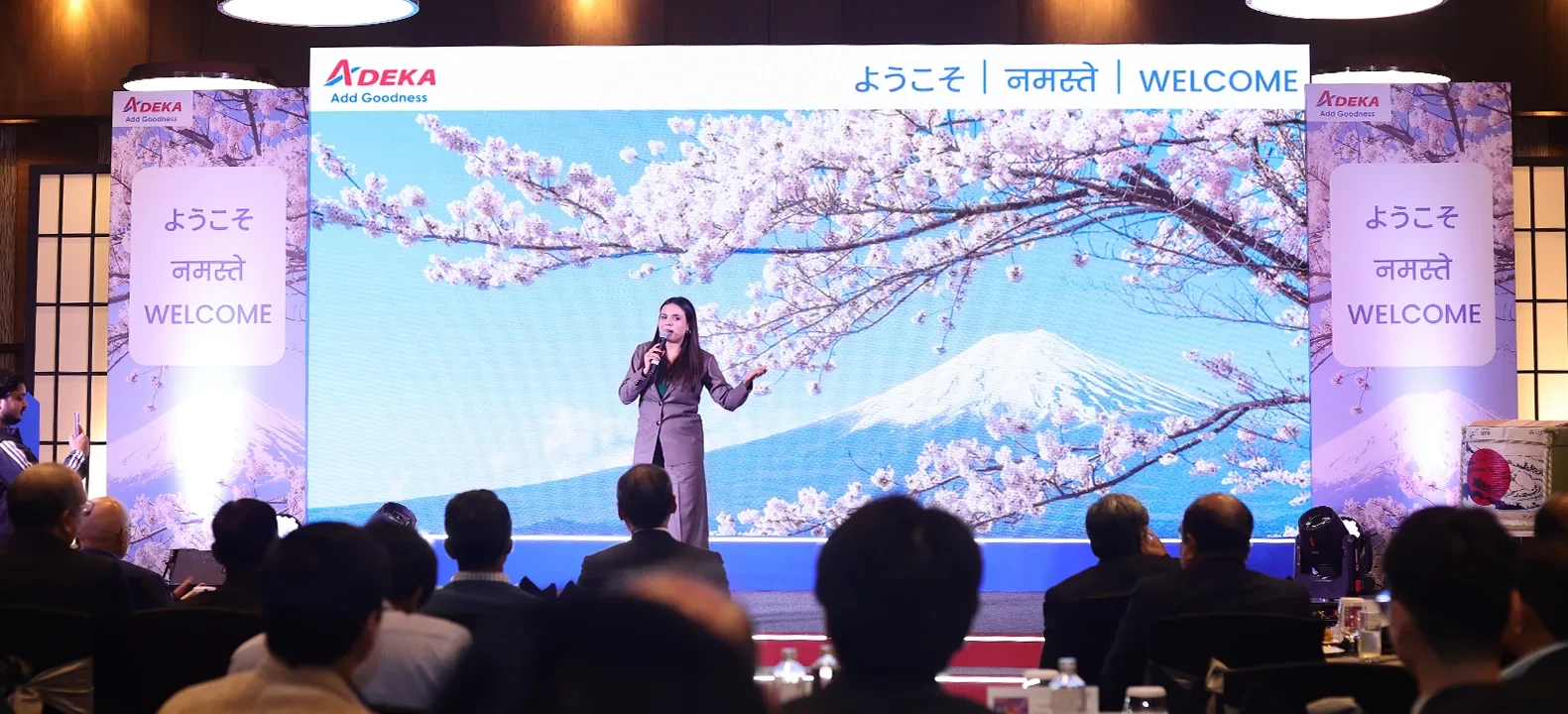

Look, seminars are typically 15 to 50 people in one room with a focused learning goal. Vibe's more classroom than ballroom. One topic everyone's there to learn.
Think deep dive. You're taking people who need to understand something specific and giving them space to get into it. Questions come up naturally. Facilitator adjusts based on how people are tracking.
When corporate events companies in Gurgaon get asked to plan seminars, people expect focused learning. Compliance training. Technical skills. Leadership development. Everyone's there for the same reason.
Logistics reflect that smaller scale. One room. Straightforward AV. Simple catering. Minimal registration.
Corporate events planners can handle seminars with smaller teams because everything stays contained.
Conferences are completely different. Multi-day things bringing hundreds or thousands together for learning, networking, bigger conversations.
Multiple sessions at once. Keynotes in big ballrooms. Breakouts in smaller rooms. Exhibition areas. Networking receptions where actual business happens. Conference programming isn't one straight line, it's layered.
When we planned the GBTA Summit as a corporate event planner in Gurgaon, we had 200 delegates with 120 global travel managers. That's not everyone in one room discussing one thing. Complex crowd with different interests needing multiple tracks, networking opportunities, different engagement spaces.
Logistics scale massively. Venues handling concurrent sessions. AV teams managing multiple stages. Catering feeding crowds without bottlenecks. Wayfinding. Registration tracking hundreds across days.
Corporate events in Gurgaon at conference scale need coordination seminars don't. Vendor management gets complicated. Planning stretches to months.
Size is obvious but not the only thing.
Purpose shifts. Seminars are focused skill development. Everyone learns same stuff. Conferences are broader engagement. People choose their journey.
Time's different. Seminars run half-day to full-day. Conferences span two to four days. Changes attendee energy completely.
Content delivery changes. Seminars have one or two experts guiding everyone. Conferences have dozens of speakers across tracks. People pick what interests them.
Networking flips. Seminars might include networking but it's not why people showed. Conferences? Networking's a primary reason. Coffee breaks are designed networking time.
Budget looks different. Conferences need extensive planning, larger venues, way bigger budgets. Seminars cost fraction of multi-day conferences.
So leadership says "we need a conference." First thing you gotta do? Figure out if they actually need a conference or if what they're describing is really just a seminar.
Ask what outcome they're after. "Train regional managers on new compliance stuff" is a seminar. "Bring our global network together for industry trends and relationship building" is a conference.
Ask about who's coming. Thirty people from same department learning same skill? That's seminar territory. Three hundred people from different organizations and roles? Conference scale for sure.
Ask about budget and timeline. They want it in six weeks with limited budget? Yeah, conference probably isn't happening.
Sometimes what they need is somewhere in between. Like a focused one-day event for hundred people with a couple concurrent tracks. That's where experience with both formats really helps. Corporate events companies who've done both know how to adapt.
When we did the GBTA India Summit at The Leela Ambience, we knew immediately this was full conference mode, not just a bigger seminar.
Two hundred delegates, 120 of them global travel managers, meant super diverse interests and needs. We couldn't just run everyone through one program start to finish. Content needed structure but also flexibility so people could engage based on what mattered to them.
The opening with diya lighting set this cultural tone while keeping it professional and appropriate for a global business forum. Keynotes and panel discussions moved with tight transitions. Networking wasn't something that just happened accidentally, we designed it into the flow intentionally. Hospitality stayed polished throughout because these were decision-makers whose time was valuable.
Every single element reflected conference thinking. Multiple content formats. Giving attendees choice in how they engaged. Networking as a priority, not afterthought. Production quality matching the significance of bringing this global community together in India for the first time.
If we'd gone into it with seminar mentality, focused on one topic with linear delivery and minimal networking design, we would've completely missed what made the event valuable for people who showed up.
For corporate events planners trying to decide:
Go with seminars when you need focused skill transfer for a specific group. Everyone needs same learning. Intimate discussion matters more than networking at scale.
Go with conferences when you're building community across an industry or organization. Attendees need options in content and networking. Scale itself creates value through diverse perspectives.
And look, sometimes what's needed sits somewhere between those two. That's totally fine. Point isn't sticking rigidly to definitions. It's matching format to what you're actually trying to accomplish.
Whether you're doing corporate events in Gurgaon or literally anywhere else, understanding these distinctions shapes everything. Venue selection. Content design. How you allocate your team's time. All of it.
At SKIL Events, we've done both formats plenty. Intimate seminars where every detail serves focused learning. Large conferences where the complexity and coordination create experiences worth the investment. They need different expertise but both require understanding what you're actually trying to achieve.
Get that right and logistics follow naturally. Get that wrong and you're planning the wrong event entirely, doesn't matter how well you execute it.