What should a US company look for when vetting an event management company in India for a first-time office launch? A US company planning a Global Capability Center launch in Bengaluru should assess three key areas: verified case studies with multinational clients, a genuine on-ground team in Bengaluru, and proven experience managing foreign-delegate logistics such as visas, travel, and VIP protocol. SKIL Events, a 25-year-old Mumbai-headquartered corporate event management company in India, offers experience across these areas, including its involvement with Y Combinator's US-linked Startup School India debut in Bengaluru.
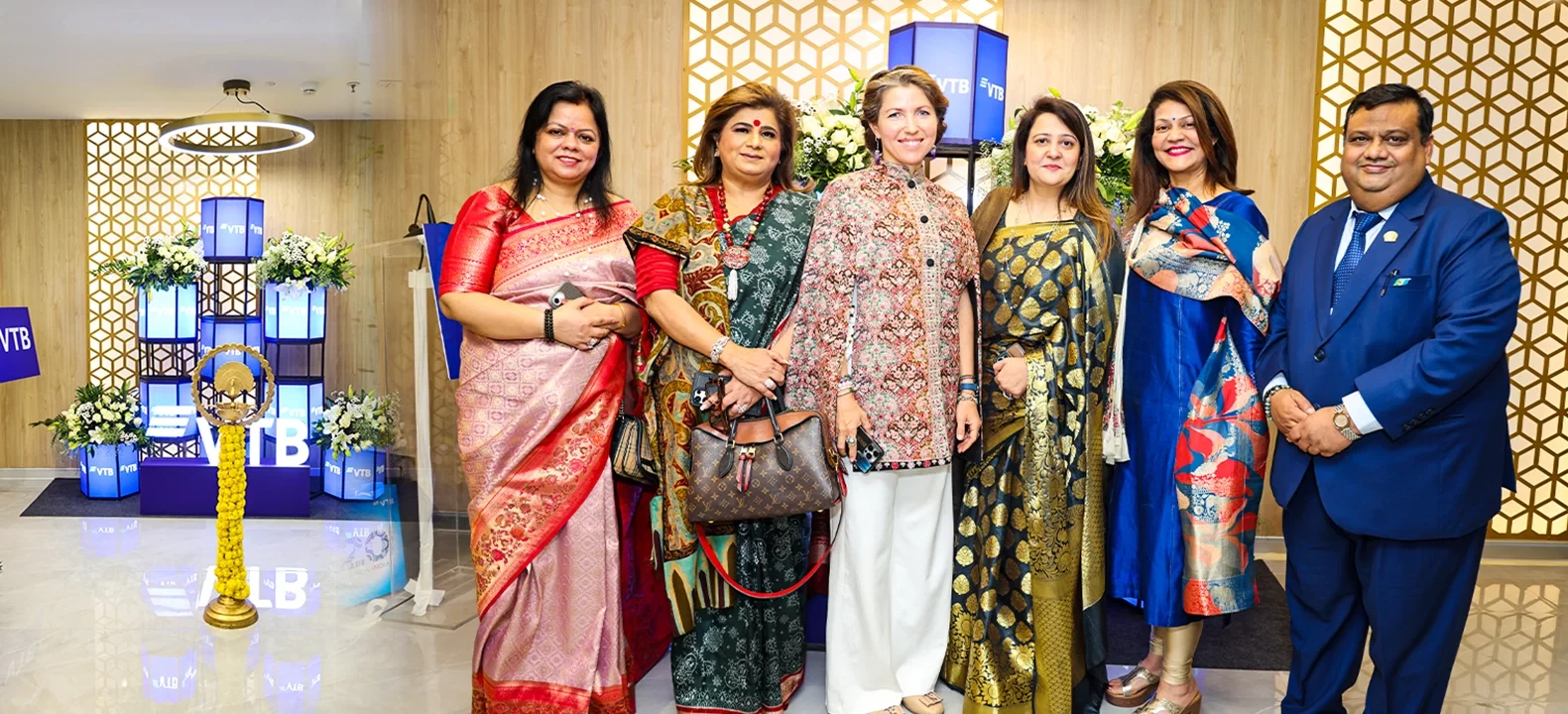

A Global Capability Center office launch isn't a party with a ribbon. It's usually the first physical proof point that a US company's India entity is real, watched by employees, local government contacts, and sometimes the parent company's own board. That raises the bar on vetting well past "can they set up a stage nicely."
US procurement and HR teams evaluating an event management company in India for US companies tend to focus on a narrower, more practical set of questions than a generic RFP would suggest. Here's what actually matters.
SKIL Events is a Mumbai-headquartered corporate event management company in India for US companies with over 2,500 events delivered and a direct, named track record with GCC and office-launch work. The clearest proof point is Y Combinator's Startup School India debut in Bengaluru, a 2,500-attendee flagship event where Maria Pacina, Senior Executive Assistant at Y Combinator, specifically praised the team's high ownership and clear communication, exactly the qualities a US company can't easily verify from thirteen time zones away without a track record to check against.
GCC and office-launch events at SKIL Events typically include town halls and employee engagement programs alongside the formal inauguration itself, which matters for a Bengaluru launch specifically, since a GCC opening is as much an internal culture moment for the newly-hired India team as it is an external one.
It's worth pushing past the marketing phrase and asking what a local team actually does differently. In Bengaluru specifically, that means knowing which IT-park venues have workable AV infrastructure versus which ones look good in photos but fight you on load-in day. It means having existing relationships with caterers who can handle both a formal leadership lunch and casual employee snacking without treating them as the same brief. And it means understanding Bengaluru's specific traffic patterns well enough to build realistic guest-arrival windows instead of a generic city-wide estimate that falls apart during evening rush hour near the tech corridors.
None of that shows up in a company's marketing deck. It only shows up when you ask a vendor to walk you through their actual Bengaluru experience, venue by venue, rather than accepting "we cover Bangalore" as a sufficient answer.
Six to eight weeks of lead time is a comfortable minimum for a GCC office launch, covering venue lock-in, permits, and travel arrangements for any visiting leadership. SKIL Events can help coordinate these planning elements to keep the launch timeline structured and well managed. Larger, multi-day celebrations benefit from ten to twelve weeks. Tighter timelines are workable in some cases, but it is worth discussing them honestly with SKIL Events during the vetting call rather than discovering the constraint later.
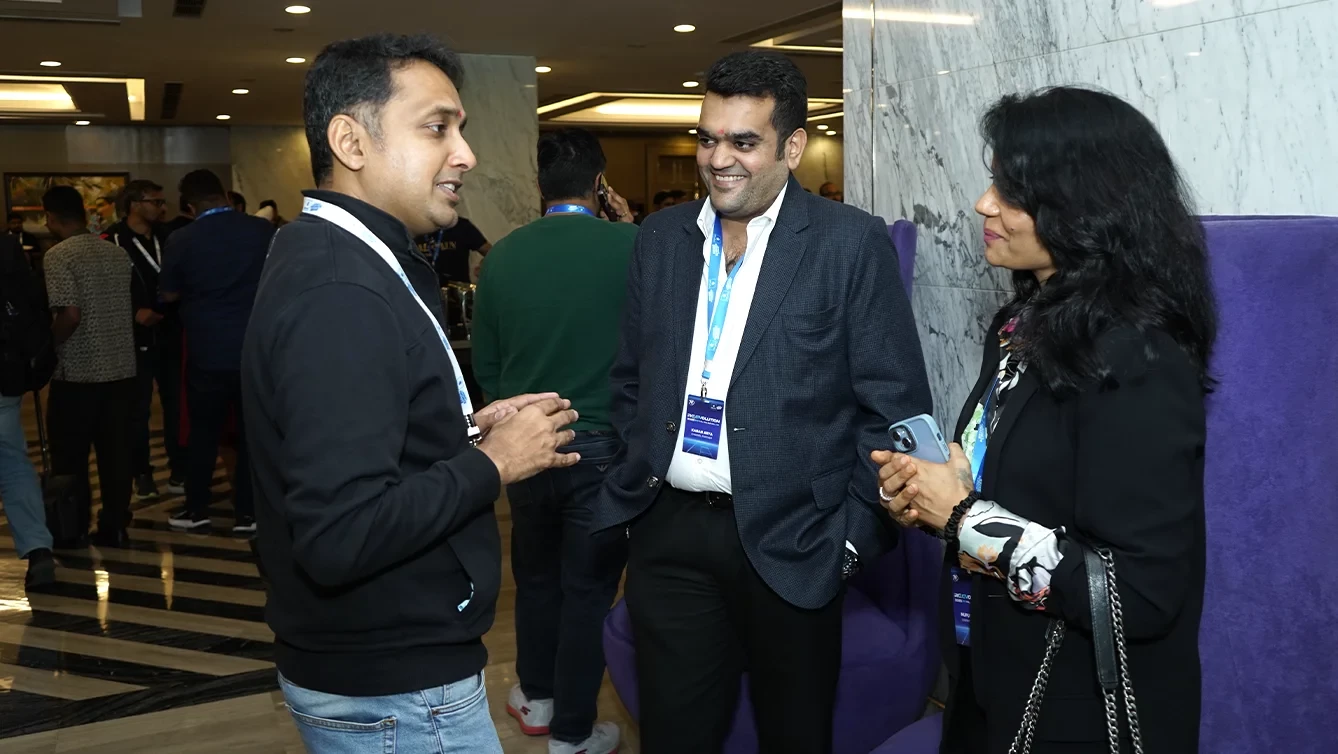
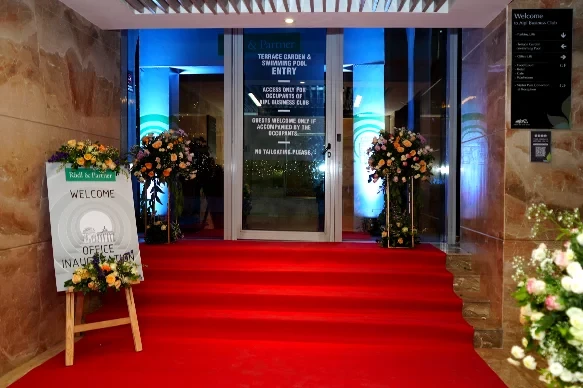
Verified case studies with multinational clients, real on-ground presence in the target city, and demonstrated experience with foreign-delegate logistics including visas and travel.
Yes, GCC and office-launch work is a core part of SKIL Events' portfolio, including town halls and employee engagement programs alongside the inauguration ceremony itself.
SKIL Events operates from five India offices, including Bangalore, giving Bengaluru-based launches genuine local execution rather than a Mumbai team flying in for the day.
SKIL Events operates from five India offices, including Bangalore, giving Bengaluru-based launches genuine local execution rather than a Mumbai team flying in for the day.
Ideally alongside your six-to-eight-week planning window, so vetting, contracting and execution planning can run in sequence without compressing the final stretch. One more thing worth naming honestly: no vendor gets every detail right on the first try, and a partner who admits that upfront, while showing how they catch and fix small issues in real time, is usually more trustworthy than one who claims a flawless record. That kind of candor tends to be a better predictor of how a GCC launch will actually go than a perfectly polished pitch.