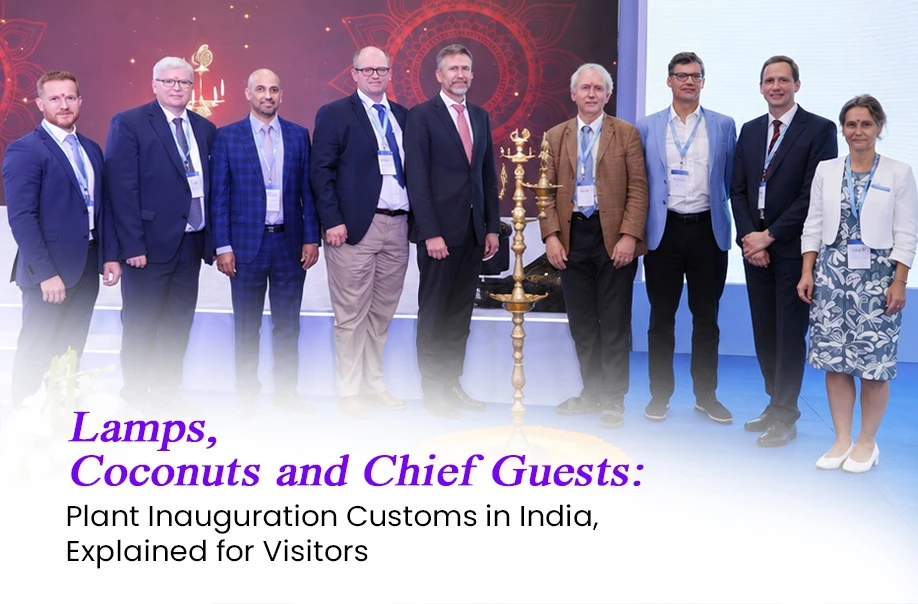
If you've been invited to a factory opening in India, you may arrive expecting a ribbon and a handshake. Then you'll see a brass lamp, a pile of coconuts, flower garlands and a priest in saffron.

Nobody will hand you a guide. That's a pity, because the customs are warm, meaningful and easy to enjoy once you know what's happening. As a factory inauguration events company in India, here's the guide we'd give any visitor.
In India, a new building isn't only a business asset. It's a fresh start, and many people like to ask for a blessing before work begins. The rituals aren't meant to exclude anyone. They're a way of saying, "We're grateful, and we hope this goes well for everyone who works here."
Different regions and companies follow different traditions. Some are very elaborate, and others are short and simple. Either way, the spirit is the same.
Think of it like a toast at a wedding. Nobody is graded on it, and the goal is simply to pause together before the real work starts. Once you see it that way, the whole morning feels far less mysterious.
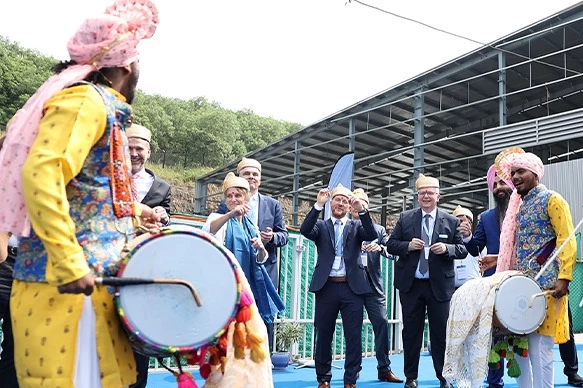
Before construction begins, many companies hold a ground-worship ceremony. A priest guides the host through offerings and prayers for the land. We saw this at Nidec India's ground-breaking ceremony in Neemrana, which brought together around 150 guests on an empty plot.
If you're invited, simply stand respectfully, and follow the host if you're asked to join.
It usually takes a few minutes. Some hosts add a short speech about the land, the people who will work there and what the plant hopes to make. It's a lovely, quiet start before the louder part of the day.
The brass lamp, or diya, is perhaps the most recognisable symbol. It stands for light, knowledge and hope. Often, several leaders light it together, with each person adding a flame or a drop of oil. It's a gentle way of showing that the new venture belongs to many hands.
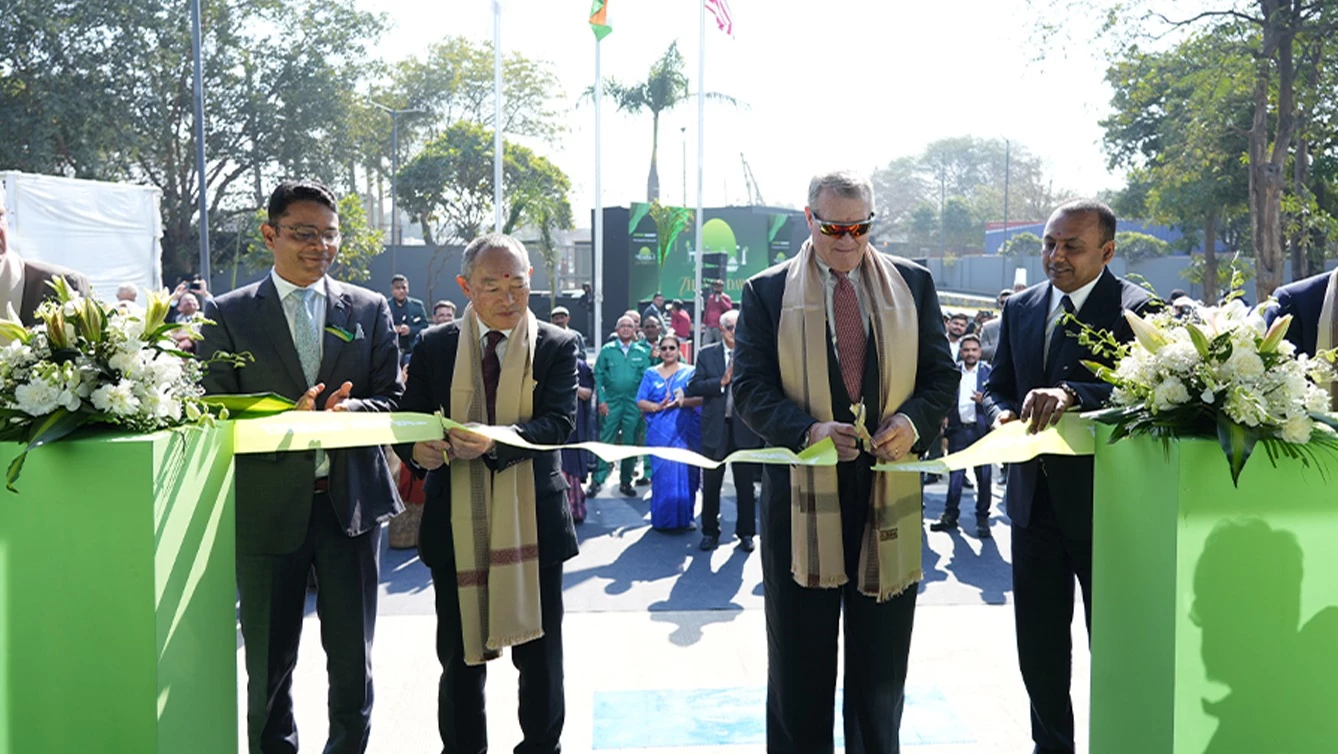
At plant launches we manage, the lamp-lighting often sits right beside the ribbon-cutting, and it tends to be the moment guests remember best.
That's the funny thing about customs. Visitors often expect to find them slow, and then they end up taking more photos of the lamp than of the machinery. A good programme leaves room for that.
A coconut is broken, usually by the chief guest or the host, to represent removing obstacles and starting fresh. A pandit may offer the coconut first, then break it with one firm tap. The pieces are often shared as prasad, a blessed offering.
Don't worry if you're nervous. Hosts and priests will guide you, and no one expects a visitor to know the steps.
If you do get handed a coconut, take your time. Stand where the priest points, hold it as shown and let the host do the first tap if you're unsure. Laughter after a coconut that won't crack is perfectly normal.
Welcoming guests often involves a flower garland, a shawl or a small mark on the forehead called a tilak. You can accept these warmly with a smile and a nod. If you'd prefer to skip the tilak, a polite "no, thank you" is fine.
A chief guest is the person of honour at the ceremony. They may be a senior leader, a government official or a respected industry figure. They usually cut the ribbon, light the lamp and give a short speech. Their arrival often shapes the day's timing, so the programme includes a little flexibility.
In plain words, if the chief guest's car is stuck in traffic, the ceremony waits. A good event partner builds a buffer around that arrival, so your own schedule for the day does not fall apart.
Many hosts choose an auspicious time, called a muhurat, for the key moment. It might be early in the morning or at an odd hour such as 11:12 AM. The programme is planned backwards from it. If your visit overlaps, arrive early.
Early arrival also helps because the venue is quiet, the flowers are fresh and you can meet the host before the crowd arrives. Many visitors enjoy those first fifteen minutes the most.
Customs vary across India. A plant inauguration event management in Chennai plan, for example, may include a kolam, a rice-flour pattern, at the entrance. A Delhi ceremony might be larger and more formal, with a longer guest list. Anyone searching for a plant inauguration events company in Delhi should ask how the partner adapts customs to the city.
Do ask this, because a ceremony copied from one city rarely feels right in another. Local priests, local flowers and local food all change from state to state, and guests notice when they are done properly.
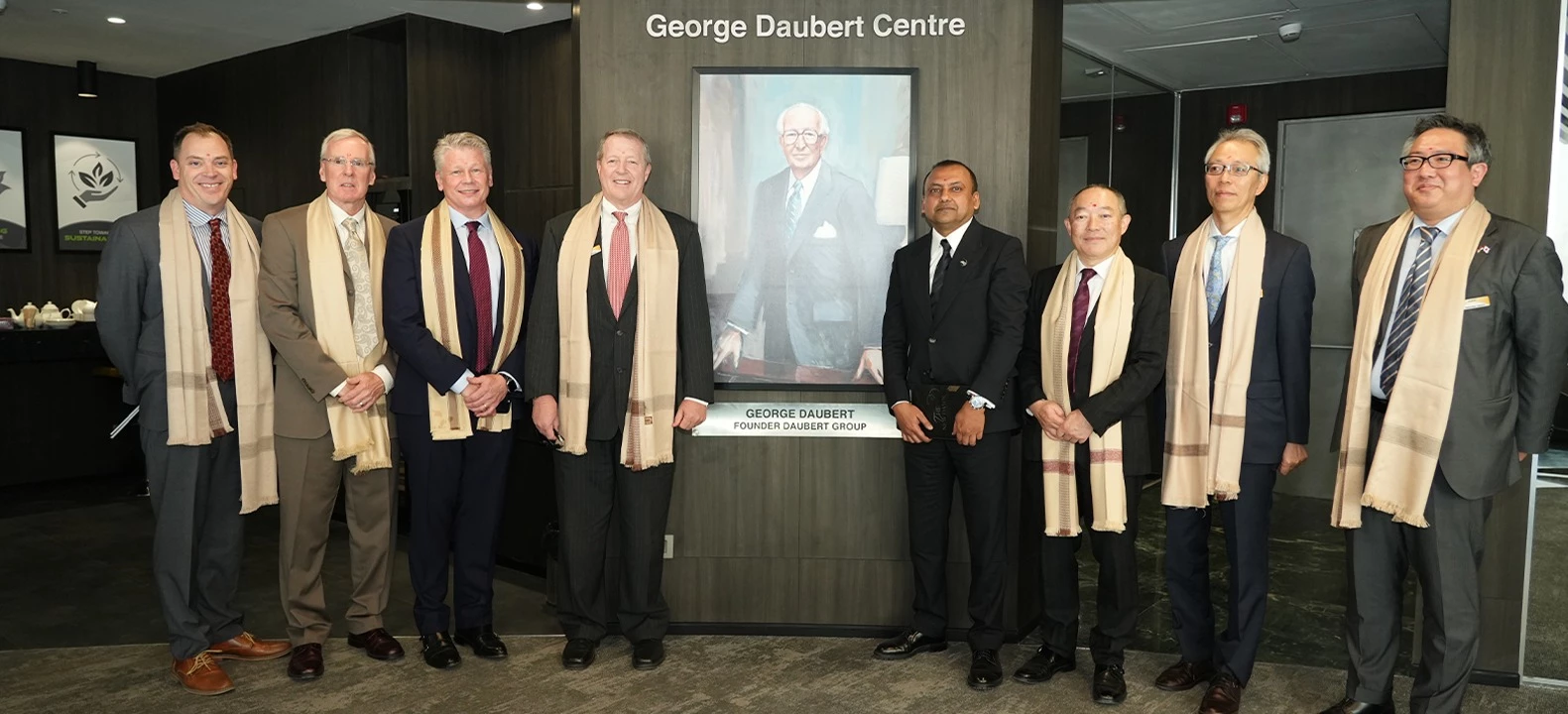
SKIL Events has 24 years of experience in running inaugurations, from Bürkert in Pune to Nidec in Neemrana and Zavenir Daubert in Gurgaon. As a plant inauguration events company in India, we blend tradition with clean production, hospitality and a calm run of show. Visitors leave understanding what they saw, which is half the point.
1. Learn the key rituals before you arrive.
2. Arrive early for the muhurat.
3. Follow the host's lead.
4. Dress for the plant tour.
5. Enjoy the sweets.
It symbolises removing obstacles and starting fresh. It's usually broken by the chief guest or host, then shared as a blessed offering. The pieces are often handed round to everyone present, which makes it a friendly moment.
It stands for light, knowledge and hope. Several leaders often light it together to show shared ownership. Visitors are sometimes invited to add a flame, and it is fine to decline politely.
No. You can watch respectfully or join if invited. Hosts and priests will guide you. Nobody will think less of you for standing back and enjoying the occasion.
An auspicious time chosen for a key moment, such as the ribbon-cutting. Programmes are planned around it. Guests should plan to arrive well before it, since the timing is rarely moved.
Yes. SKIL Events plans plant and factory inaugurations across India, combining local customs with polished production. Our team also briefs overseas visitors beforehand so nothing on the day feels unfamiliar.