Search for "best corporate offsite events in Bangalore" and you'll get dozens of listicles naming the same dozen resorts near Nandi Hills, Coorg, and Mysore. What none of those lists tell you, and what SKIL Events sees repeatedly with Bangalore clients, is that "best" changes dramatically depending on your group size. A format that works beautifully for a 30-person leadership team can fall apart entirely at 200 people, and vice versa.
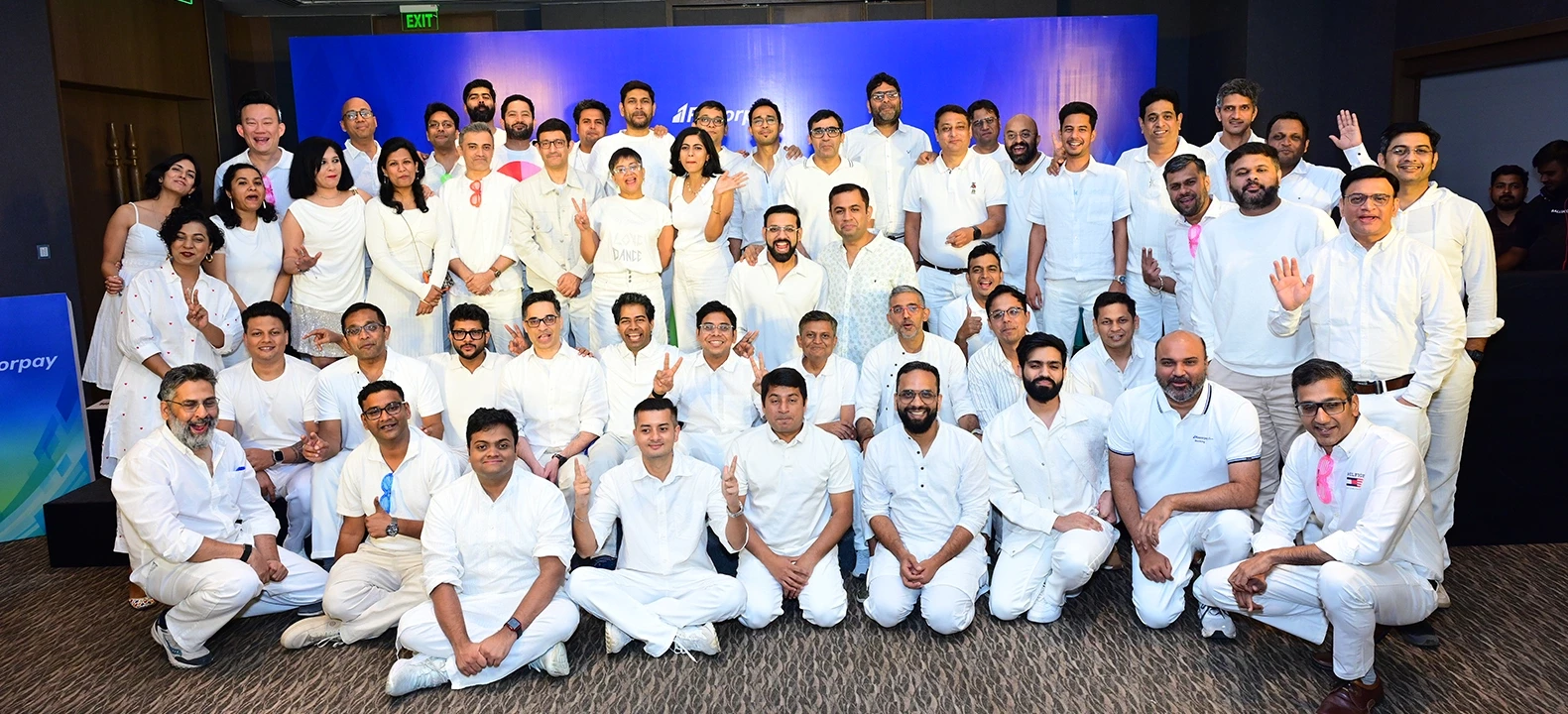

For a 200-person team specifically, the best corporate offsite in or near Bangalore is one that can genuinely accommodate that headcount without splitting the group across multiple properties or compromising on shared spaces for large-group sessions. That single constraint eliminates a surprising number of the boutique properties that dominate typical "best offsite" lists.
Below roughly 80 to 100 people, Bangalore's surrounding hill stations and resort belt offer huge flexibility, small boutique properties, farmstays, and villa clusters all work well. At 200 people, the venue pool shrinks fast. You need large-format meeting or plenary space, enough rooms in a single property (or a very tightly clustered set of properties) to avoid fragmenting the group experience, and a banquet or dining setup that can serve everyone without staggered, disjointed meal shifts.
Many venues marketed for corporate offsites can technically host 200 people, but only by combining rooms across two or three separate buildings on the property, which fragments the group experience. Ask specifically how rooms are distributed, not just total capacity.
A hall rated for "200 people theatre-style" is often uncomfortably tight in practice once AV equipment, staging, and walkways are accounted for. Always request the actual usable capacity after production setup, not the venue's marketing capacity figure.
Some of the most Instagram-friendly properties near Bangalore have limited actual space for large-group team-building activities. Corporate Offsite Planners with real experience at this scale will know which properties have both the views and the functional open space to run genuine group activities.
Transport, meal timing, and even something as simple as check-in speed become genuine bottlenecks at this scale. A property or planner without experience at 200-plus headcounts often underestimates how much longer basic logistics take compared to a 50-person event.
The same scale logic applies whether you're comparing Best Corporate Offsite Events in Mumbai, evaluating options for Best Corporate Offsite in Ahmedabad, or planning from Bangalore. Each city's surrounding offsite belt has its own capacity ceiling before the "best small boutique property" lists stop being genuinely useful, and an experienced planner should be able to tell you exactly where that ceiling sits for each region.
Beyond capacity, the calendar itself becomes a constraint at 200 people. Bangalore's offsite belt sees heavy demand from October through February, when weather is most favourable, and large-capacity properties get booked out disproportionately fast for exactly that window. If your team has any flexibility on dates, shifting even slightly outside peak season can open up venue options that would otherwise be unavailable at this scale, sometimes at meaningfully better rates too.
In our experience gathering feedback after large offsites, the most common regret isn't about the venue's aesthetics, it's about pacing. Teams often pack a 200-person, two-day offsite with back-to-back sessions and activities, leaving almost no unstructured downtime. At scale, unstructured time actually matters more, not less, because it's where genuine cross-team bonding happens organically, the kind no scheduled activity fully replicates. If you're planning at this scale, deliberately protect at least a few hours of unscheduled time in the agenda, even though it can feel counterintuitive when you're paying for every hour of venue time.
As Corporate Offsite Planners who've handled group sizes well beyond 200 across multiple India destinations, our venue shortlisting process starts with hard capacity verification, not just aesthetic appeal. That single filtering step eliminates most of the mismatched recommendations that generic "best offsite" lists tend to include, and it's usually the difference between an offsite that runs smoothly and one that feels logistically strained from the first hour.
One last practical note specific to scale: the return journey after a 200-person offsite is often planned with less care than the arrival, and it shows. Staggered checkout, transport coordination back to Bangalore, and a realistic buffer before people are expected back at their desks the next morning all deserve the same planning attention as day-one logistics. SKIL Events understands that a rushed, chaotic departure can genuinely colour how people remember an otherwise well-run offsite, which is why an experienced event planner should think through return transportation, checkout schedules, and post-event timing before you even have to ask.
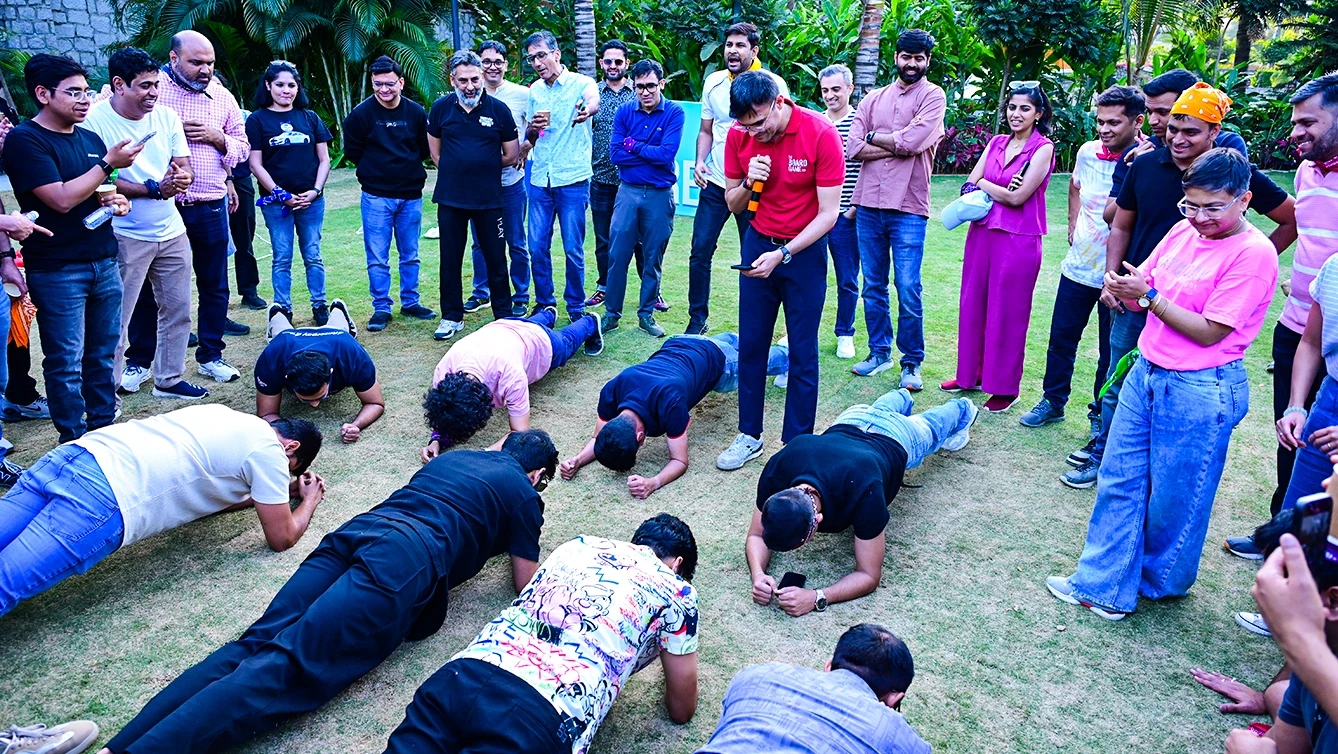
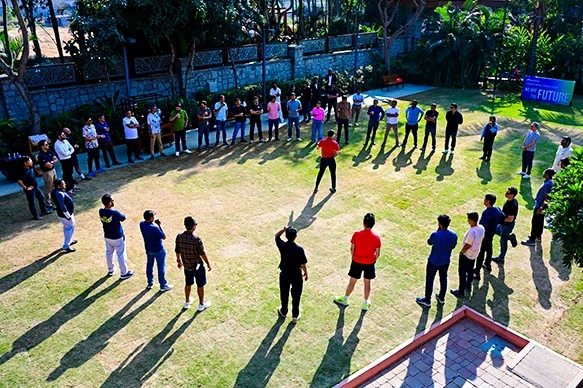
Once you're above roughly 100 to 120 people, venue options narrow significantly, and by 200, single-cluster capacity becomes the primary filtering criterion rather than a nice-to-have.
Usually not beyond 80 to 100 people without splitting the group across multiple properties, which tends to fragment the shared offsite experience.
At least eight to ten weeks, since large-capacity properties near Bangalore book out quickly during peak offsite season, particularly October through February.
Not always. Marketed theatre-style capacity often doesn't account for AV equipment, staging, and walkway space, so always confirm actual post-setup capacity directly.
Yes, the same capacity-first filtering approach applies broadly, though each city's offsite belt has a different practical ceiling before options for large groups become genuinely limited.