Scroll through any list of the best event production companies and you'll see the same thing: slick showreels, big logos and dramatic stage shots. It's lovely to watch. But a reel can't tell you what happens at 4 AM when a truck is stuck at the gate and the stage must be ready by noon.
So how do you actually judge a production partner? Here's a plain answer, and what we look at ourselves at SKIL Events.
An event production company builds the physical and technical side of an event. That means stage design, lighting, sound, LED screens, rigging, power, and the crew who manage everything on-site. When comparing the best production event companies, look for a team that can coordinate these elements professionally, manage technical requirements, and resolve issues quickly. In simple terms, they make sure the audience can see, hear, and feel the show without ever noticing the machinery behind it.
Think of it like the kitchen of a restaurant. Guests judge the meal, but a messy kitchen shows up in the plate sooner or later.
A reel shows the best three minutes of an event. It doesn't show how long the setup took, how many things broke or how the team handled it.
Reels also hide who did the work. Some event production companies outsource stage, sound and lighting to different vendors and simply put their name on the final video. That's not wrong, but it affects how much control they really have on the day.
Another thing a reel can't show is the pace. A smooth-looking show may have been delayed by an hour backstage, and only the clever editing hides it.
When we're asked how to pick a partner, we suggest these questions instead.
Honest, specific answers tell you far more than a polished deck.
Don't forget to ask about people. Who is the technical director? How many shows have they run together? A crew that works together regularly makes fewer mistakes than a gathering of strangers hired for a week.
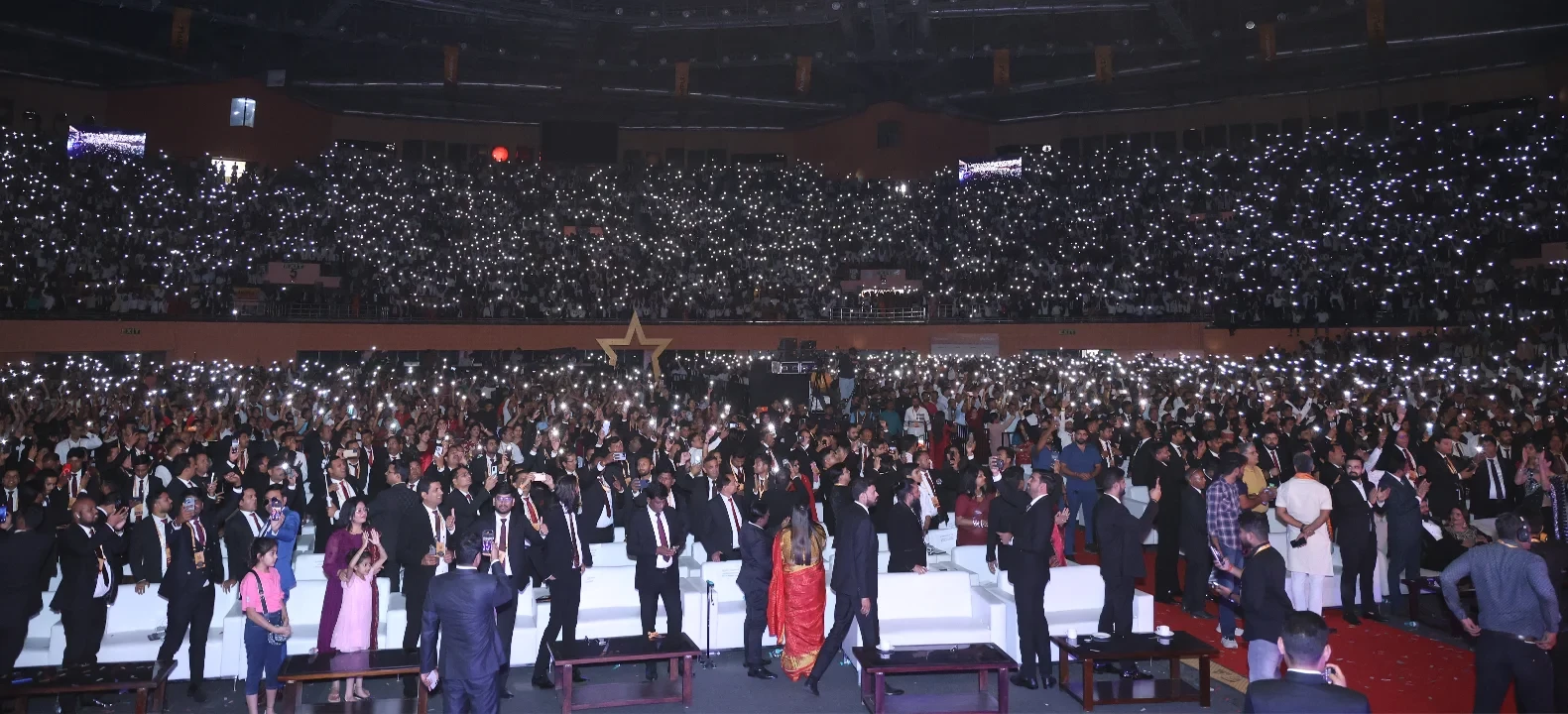

Load-in is the window in which everything gets built, tested and made ready. At a stadium or a large convention hall, that's an enormous job: trusses go up, cables get laid, screens get tested, and safety checks happen before a single guest enters.
Teams that have done this at scale know their numbers. They can tell you how many hours a stage of a given size needs and where delays usually creep in. That's experience you can't fake in a showreel.
It also affects cost. A longer load-in means more crew hours and more rental days, so a team that's quick and organised often saves you money even if its quote looks slightly higher at first.
Rehearsals are part of this. A serious team will ask for time on the day before for sound checks, light cues and a full run-through. If someone says they'll figure it out on the day, be careful.
If you're comparing top event production companies, here's a simple scorecard you can use.
Score each from one to five and compare. It takes ten minutes and saves a lot of regret.
You can weigh the criteria differently depending on your event. For a conference, sound quality and AV reliability may matter most. For a gala, lighting design and stage look might carry more weight.
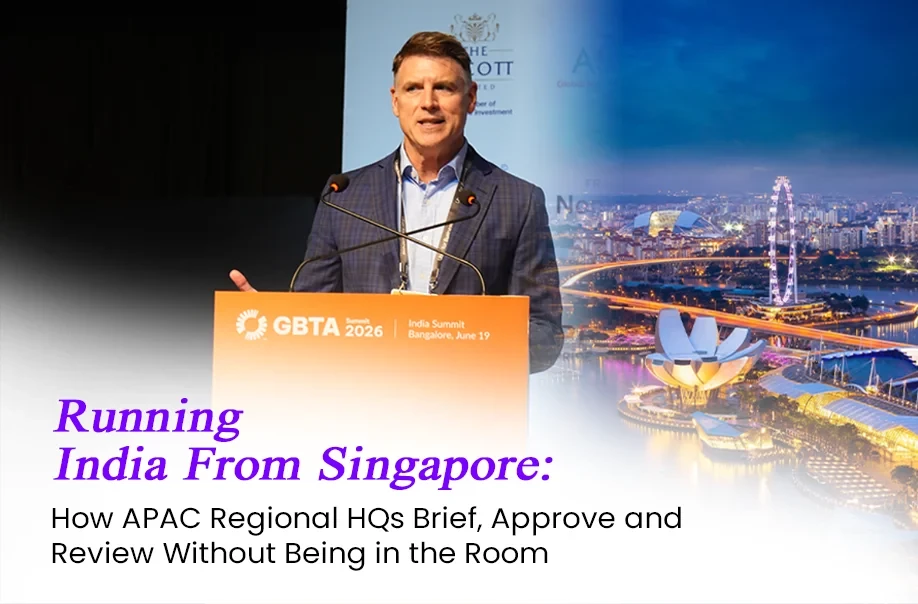
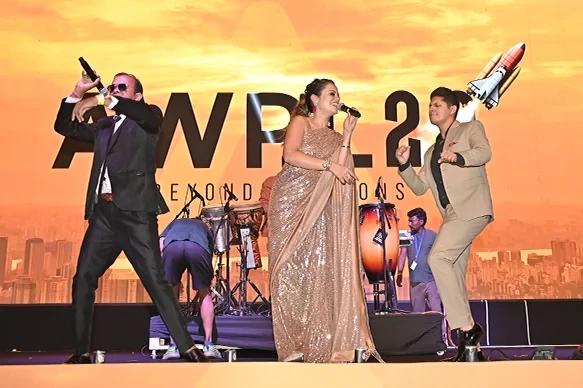
At SKIL Events, we've spent 24 years building a reputation for events that run smoothly behind the scenes. Our team has worked on large-scale productions, including a 20,000-person stadium launch for AWPL and the GBTA India Summit as official production partner. We also run our own stage and production setups under Stages by SKIL, which gives us more control over timing and quality.
It's the same mindset every time. Plan the setup like a military exercise, rehearse it twice and keep a backup for everything.
Stages by SKIL also means we don't scramble for basic equipment when dates clash. That control becomes especially useful in busy festive weeks, when rental stock tends to get thin.
If a team can't explain what could go wrong, that's usually a worry in itself.
Look for paperwork too. Insurance, safety certificates for rigging and clear contracts are signs of a professional outfit, not just a creative one.
Send your venue, date and guest count to two or three production companies. Compare how they respond, not just what they charge. The quality of the questions they ask often tells you how they'll behave on the day. And if one of them asks to see the venue floor plan before quoting, that's usually a very good sign.
Finally, trust your gut during the first call. If the team listens, asks sensible questions and doesn't oversell, that attitude usually carries into the live show. It is a simple but reliable test.
It's a company that handles stage, sound, lighting, LED screens, rigging and technical crew to deliver the live experience of an event. It's also responsible for power, safety and backup plans. A production company is different from an event planner, who handles the wider experience.
Check experience at your scale, in-house capability, safety standards, crew quality and references from similar events. Visit a past event if you can. Ask each company the same questions so you can compare fairly.
It's the period in which a team builds, tests and finalises all equipment before guests arrive. A longer load-in usually means more crew hours. Larger venues need more time.
Some do and some rent. Owning key gear usually gives better control over quality and timing. Owning gear also means faster fixes if something breaks. Ask for proof either way too.
Yes. SKIL Events provides stage, sound, lighting and technical production, backed by Stages by SKIL. We also run rehearsals and backup plans for every show.