India's event industry has a genuinely low barrier to entry. Anyone with a laptop, a Canva subscription, and a couple of vendor contacts can put up a polished-looking website and call themselves an event company within a week. That's not necessarily a problem for a small internal celebration. It becomes a real risk when you're evaluating event companies in India for something with real stakes, a factory inauguration, a major product launch, a leadership offsite with senior stakeholders.
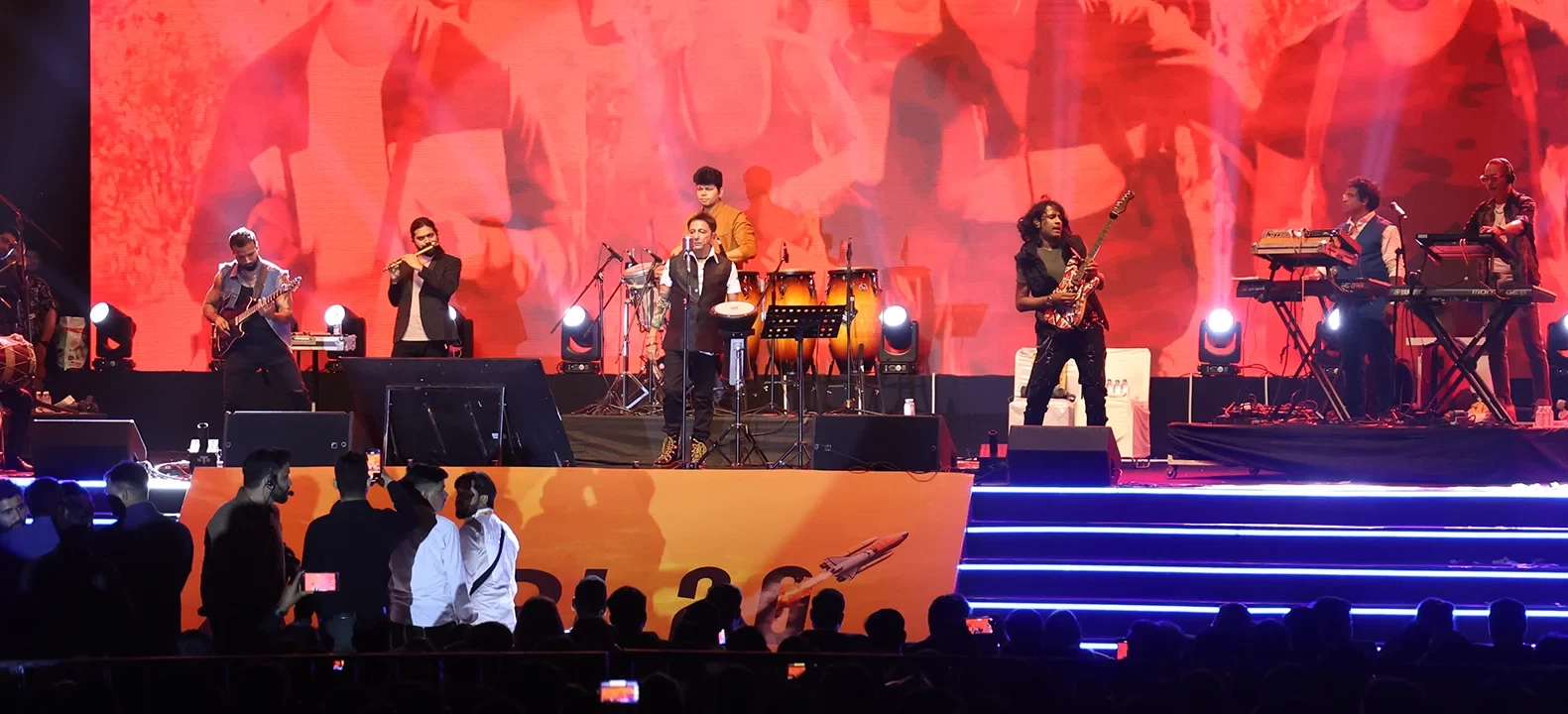

The clearest signals separating a genuinely established operator from a freelancer with a professional-looking website are verifiable operational history, a real employed team rather than an entirely subcontracted network, financial stability evidence, and the ability to produce specific, checkable references from past events at comparable scale.
A polished website can be built in days. Verifiable operating history, company registration details, GST history, cannot be faked as easily. Among genuine Top Events Company In India contenders, this history is something they'll share readily and specifically, not vaguely.
There's nothing inherently wrong with using specialist subcontractors for certain elements, most established companies do. The red flag is a company with essentially no core employed team at all, meaning every single element of your event, planning, execution, crisis management, is being coordinated by a loose network assembled fresh for your project.
Ask for references from events genuinely similar to yours in scale and type, not just any client they've ever worked with. A Best Events Company In India worth considering will have several relevant options readily available, not a scramble to find someone willing to vouch for them.
This sounds dramatic, but it's a real risk with newer or thinly capitalised operators. Ask about their payment structure and what contractual protections you have if a vendor relationship on their end falls through due to their own cash flow issues.
Established operators, having handled hundreds of events, discuss past problems and how they solved them candidly and specifically. Newer or less experienced operators often can't, simply because they haven't accumulated enough real event volume to have faced genuine crises yet.
For a small internal team lunch, the risk of choosing an inexperienced vendor is low. For a factory inauguration with senior leadership and press present, or a Corporate Event Companies in Delhi search for a major product launch, the cost of a vendor who's out of their depth is significant, reputationally and financially. This is precisely where operating history and verifiable track record matter most.
One pattern we've seen repeatedly: a newer operator wins a client on price and enthusiasm, delivers a reasonably fine smaller event, and then struggles visibly the first time that same client scales up to something genuinely complex, a multi-city launch, a large factory inauguration, a leadership event with senior international stakeholders. The gap isn't creativity or effort, it's operational depth that simply hasn't been built yet through repeated exposure to complex, high-stakes execution. That gap is exactly what verifiable years of operation and comparable references are meant to surface before you're the client discovering it live.
It's tempting to assume a significantly cheaper quote automatically signals a less established operator, but that's not always reliable either. Some newer companies price aggressively specifically to win their first few marquee clients and build a portfolio, while some established operators maintain premium pricing partly on reputation rather than genuinely superior current execution. Price is a data point, not proof either way. The verification steps outlined above, operating history, team structure, references, remain the more reliable signals regardless of where a vendor's pricing lands.
SKIL Events has operated continuously for over two decades, with an employed core team across multiple India offices and a verifiable history spanning manufacturing, technology, hospitality, and global clients setting up operations in India. We expect and welcome exactly this level of scrutiny from prospective clients, because it's precisely the diligence that protects them from the newer, less established operators competing in the same search results.
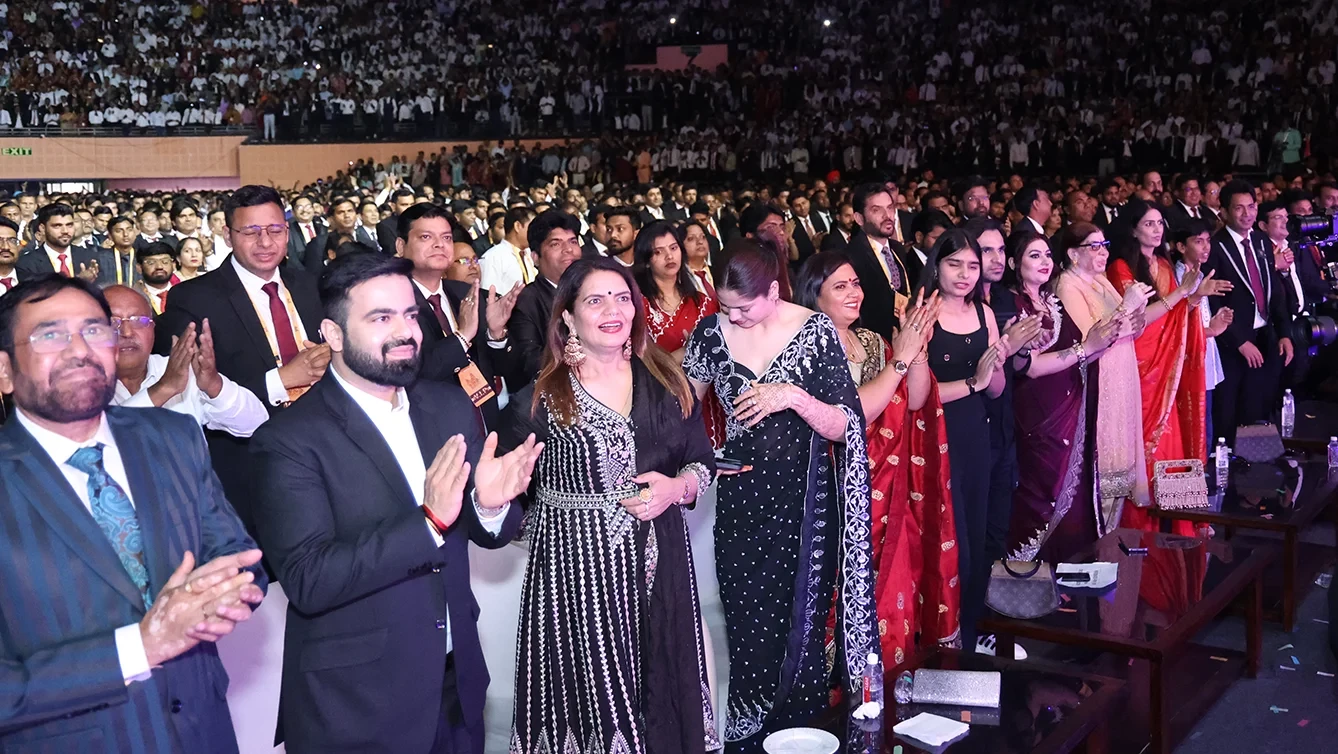
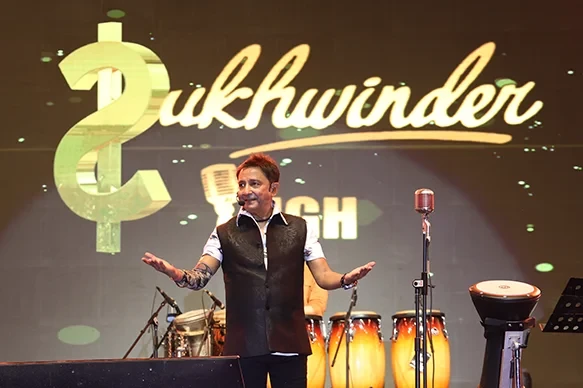
Not automatically, but the risk profile is different, particularly for high-stakes events. Newer companies can be genuinely capable, but they warrant more careful reference-checking before committing to anything with significant stakes.
Yes, this is standard practice for specialist elements like certain AV equipment or niche décor. The concern is specifically when there's no real employed core team managing and accountable for the overall project.
There's no strict cutoff, but a decade or more of continuous, verifiable operation is a reasonable baseline for events with significant financial or reputational stakes.
Yes, this is a reasonable and increasingly standard request, particularly for larger contracts, and any legitimate operator will provide it without hesitation.
Vague or evasive answers about years of operation, team structure, or past challenges. Established operators tend to answer these questions specifically and readily.