Ask anyone who has planned an event in the city and they'll tell you the same thing. Event management companies in Pune look very similar on paper. The difference shows up on the day, usually around 6 PM, when guests are stuck on the road and the planner either already knew that would happen or didn't.
Here's what local knowledge really looks like, and why it matters more than most people think
Pune isn't one business district; it's several spread across the city. Hinjewadi, Kharadi, Magarpatta, Baner, Viman Nagar, and Hadapsar all have major offices, and travelling between them can take far longer than the map suggests. For event management companies in Pune, this makes venue selection, guest transportation, and scheduling important parts of event planning. Hinjewadi and Kharadi, for example, are roughly 25 kilometres apart by road, and peak-hour traffic can extend the journey considerably. Choosing a venue based on attendee locations and allowing realistic travel buffers can help keep corporate events running smoothly.
A planner who doesn't know this will schedule a 5 PM start for guests coming from two corners of the city and wonder why the room is half empty at 6:15.
It also ignores something simple: people don't leave work at the exact minute the invitation says. Add a late meeting, a long commute and a hunt for parking, and a punctual start stops being realistic.
You can usually spot the difference in the first planning meeting.
None of this is glamorous. All of it affects whether the evening runs smoothly.
Local planners usually have a mental map of the city that no app can replace. They know which roads jam on which days, which stretches flood in heavy rain and which venue gates get blocked when two events overlap.
Corporate guests are busy. They're coming straight from work, often after a long commute, and their patience is limited. A late start, a slow check-in or a confusing parking setup can colour the whole evening.
That's why corporate event management companies in Pune that understand the city tend to deliver a calmer, better-paced experience. They've learned the hard way.
A late guest list isn't only an inconvenience. If chief guests or speakers arrive after the audience has drifted away, the whole programme loses its shape. Local planners build in buffers for that.
Here's a simple test you can try in a meeting.
"If guests are coming from Hinjewadi and Kharadi, what start time would you suggest?" A local planner answers instantly and sensibly. Someone new will hesitate.
"Which venues in this area are best for 300 guests?" Good planners will name several and explain the trade-offs without looking anything up.
A planner who knows Pune will have a clear wet-weather plan, not a vague promise.
Beyond local know-how, check the basics.
A resident team usually responds faster than one flying in from another city.
Also ask about the people who'll be at your venue on the day. A big name at the pitch and an unknown crew on site is a common mismatch, and local knowledge lives with the crew, not the sales team.

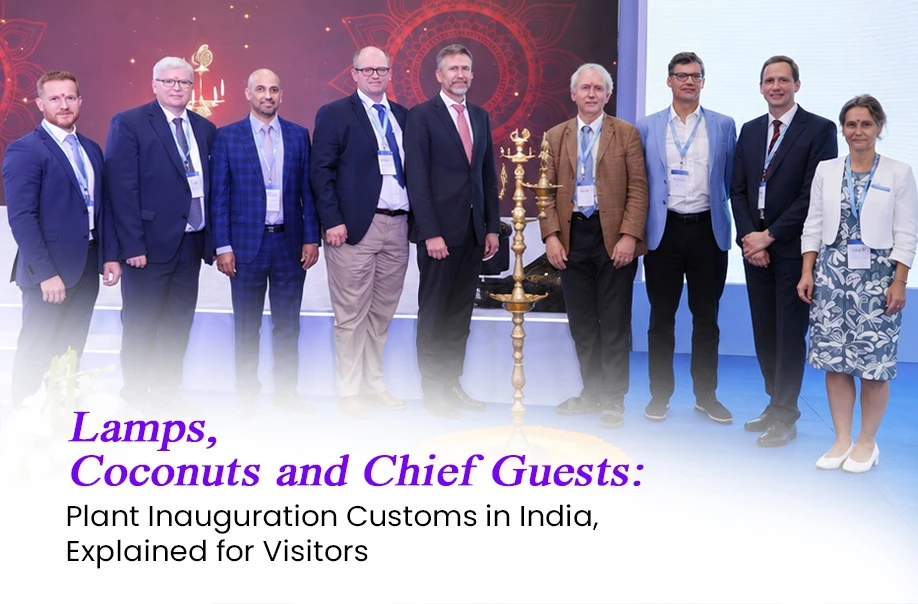
SKIL Events has an office in Pune, and our team has planned corporate events here for years. That includes hosting the launch of Burkert's 50,000 sq ft manufacturing facility in Pune. A local presence means we already know the venues, vendors and the realities of getting people from one side of the city to the other.
It also means quicker site visits and fewer surprises, which clients usually appreciate more than they expect.
We often suggest simple adjustments like staggered arrivals, a welcome area where guests can relax for twenty minutes and entertainment that starts gently rather than loudly. These small choices make late guests feel welcome.
Costs in Pune can differ by area and day. A venue in a business district may cost more midweek because of corporate demand, while resorts outside the city might offer better rates but add transport time. Weigh both. A cheaper venue with a long commute can cost you in guest attendance and energy.
The monsoon is the obvious one, but summer afternoons and festive weeks also change planning. Outdoor setups need shade and water in summer, and festive dates bring heavier traffic and tighter vendor availability. A local company plans for all of these as a matter of habit.
1. Pick a venue that's central to most of your guests.
2. Schedule evening starts later than you think.
3. Arrange shuttles from major office hubs where possible.
4. Plan rain cover for any outdoor element.
5. Confirm parking and entry flow in advance.
6. Brief your whole team on drop-offs.
Pune event planning is a game of small details, and the biggest of them is movement. Ask any planner you're considering to walk you through a typical guest journey, from the first cab to the final goodbye. If the story has gaps, you'll find them quickly. Pick a partner who thinks about how people arrive, not just how the stage looks.
Local knowledge, a resident team, venue relationships, a wet-weather plan and references from past Pune clients. Ask for past Pune references and a sample guest journey plan. A clear price breakdown is useful too.
Offices are spread across several areas, and peak-hour journeys between them can be long and unpredictable. Planning start times around peak traffic protects attendance. Rain adds to the delays.
Usually later than expected, often 7 PM or later, depending on where guests are travelling from. Starting later than you think usually helps. Shuttles from key office hubs make evenings smoother.
It helps. A resident team responds faster, knows the venues and can handle problems on site. Faster site visits are an added advantage. Local contacts help too.
Yes. SKIL Events has a Pune office and has hosted launches and corporate events across the city. Our team knows the city's venues and vendors.