Here's a scene every plant head has lived through at least once. The chief guest's flight is delayed by forty minutes. The priest doing the traditional puja needs another fifteen. The catering truck is stuck behind a tractor two kilometres from the gate. And somewhere in a WhatsApp group, someone is asking why the stage backdrop still says "2025" instead of the current year.
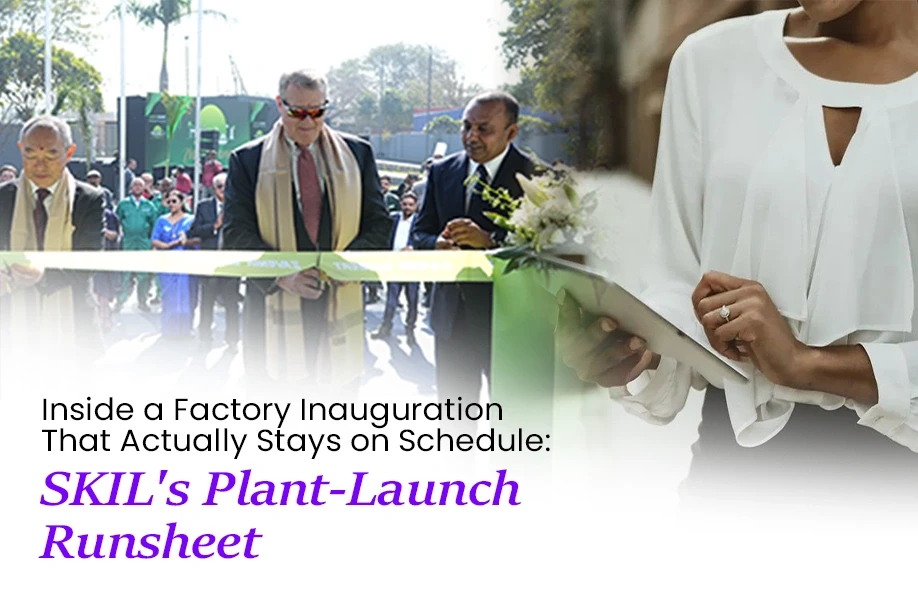
A factory inauguration event looks simple on paper: cut a ribbon, err, mark the inauguration, give a speech, cut a cake, done. In practice, it's one of the least forgiving events a company will ever run, because unlike a hotel ballroom, a live factory floor doesn't pause its own operations just because you're hosting guests.
We've run enough of these at SKIL Events to know exactly where the schedule usually breaks. It's rarely the big, obvious things. It's the small handoffs nobody owns.
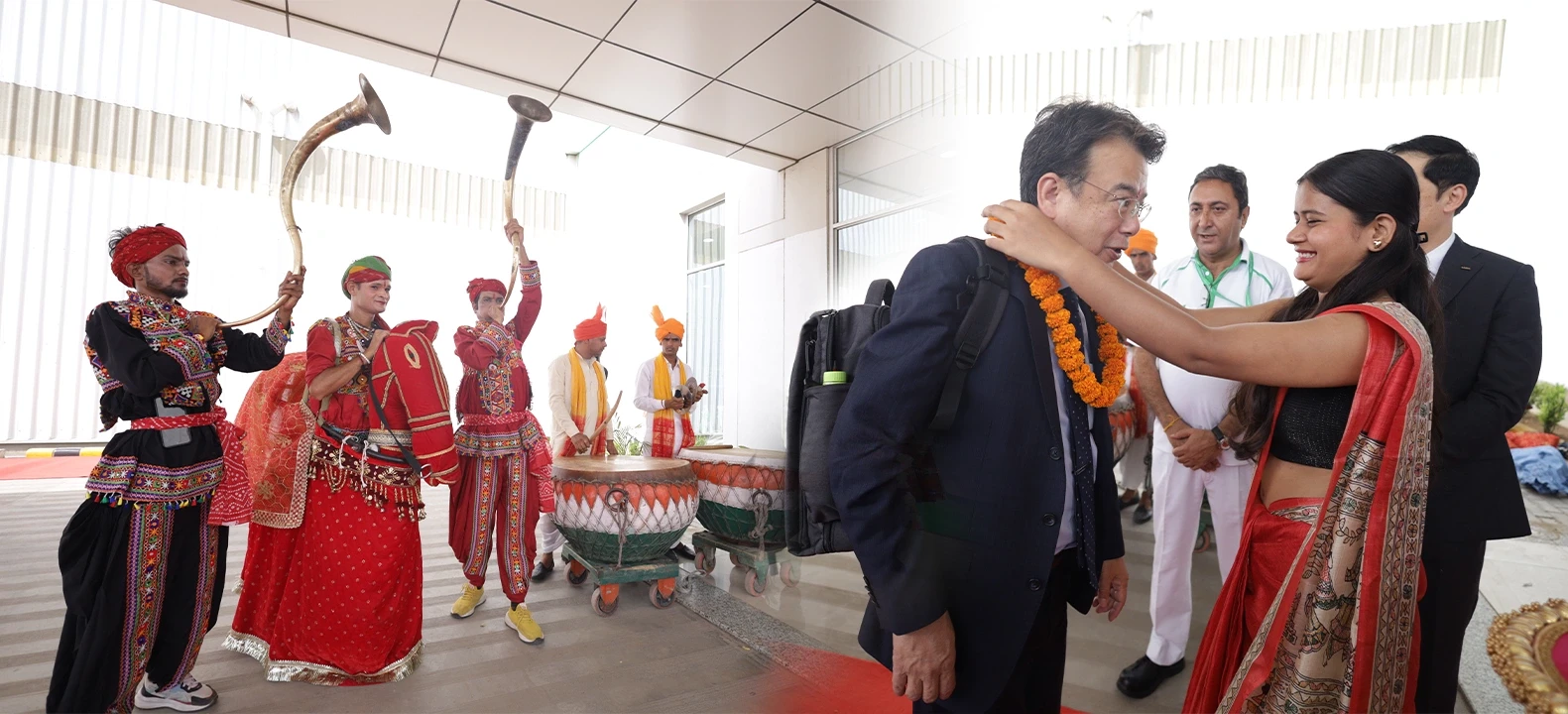

A wedding venue is built to host people. A plant is built to run machines. When you inaugurate a new India facility, you're asking a working industrial space, sometimes still mid-construction on the non-production side, to double up as an event venue for a few hours without disrupting commissioning schedules, safety protocols, or vendor deliveries that don't care what day it is.
That's the real difference between a generic plant inauguration event and one that actually lands well. It's not about bigger flowers or a louder brass band. It's about sequencing dozens of moving parts, safety, catering, guest logistics, media, and the plant's own operational calendar, so none of them collide.
A proper Factory Inauguration runsheet isn't a single document. It's three, layered on top of each other.
We build backup windows into the schedule on purpose. If the chief guest's convoy is running late (and it usually is, at least a little), the programme needs a flex block that absorbs twenty to thirty minutes without pushing the entire event, and without anyone in the audience noticing there was ever a problem.
You cannot plan a Grand Plant Inauguration from a floor plan PDF. Power points that exist on paper sometimes don't exist on the actual wall. A loading dock that looks clear in a site photo might be blocked by machinery crates on the actual day. SKIL Events walks every plant in person, usually more than once, well before the event, specifically to catch these gaps while there's still time to fix them, not discover them on the morning of.
A schedule is only as reliable as the people executing each block of it. On a typical India factory inauguration, that list includes the site production coordinator, a safety officer who has full authority to pause any activity, a dedicated guest-liaison team for VIPs, an F&B lead who understands industrial catering constraints (not every plant has a proper kitchen setup nearby), an AV and staging crew who know how to work around heavy machinery, a media/PR handler, transport coordinators for guest convoys, and a floating "problem owner" whose only job that day is to catch whatever the runsheet didn't anticipate.
That last role sounds almost unnecessary until you've run one of these events. Something always comes up that wasn't in any document. Having one experienced person whose entire job is absorbing surprises is often the difference between a hiccup nobody notices and a delay everybody remembers.
In our experience, delays cluster around three points, and honestly, they're almost always predictable if you've done enough of these:
None of these are exotic problems. They're the same three failure points, over and over, across cities and industries. Which is exactly why a runsheet built from real experience matters more than a runsheet built from a template.
India's manufacturing investment isn't just clustering in the usual metros anymore. A meaningful share of new plant commissioning is happening in industrial belts around Pune, Gujarat, Chennai's outskirts, and similar corridors, where hotel infrastructure, catering vendors, and event-grade AV supply are thinner than in a metro. That changes what "on schedule" even requires. You can't assume a backup generator is a phone call away. You plan for it being unavailable and build the contingency in from day one.
If you're the person accountable for your company's next Factory Inauguration Event, the honest advice is this: don't judge a vendor by how polished their proposal deck looks. Ask them how many live factory floors they've actually inaugurated, how they handle a delayed VIP convoy, and who on their team has full authority to make a call at 11 pm the night before if something's still not ready.
SKIL Events has run this exact playbook across manufacturing, logistics, and industrial clients precisely because a stage that looks perfect in photos means very little if the schedule behind it didn't hold. Get the runsheet right, and the ribbon, sorry, the inauguration itself takes care of itself.
“A plant inauguration only gets one shot at looking effortless. That only happens when every minute on the runsheet was fought for weeks before the ribbon gets cut.” (SKIL Events)
A successful factory inauguration event depends on more than a polished setup. Careful Event Planning, detailed runsheets, site readiness, safety coordination, and contingency planning keep every moving part aligned, helping the inauguration stay smooth and on schedule
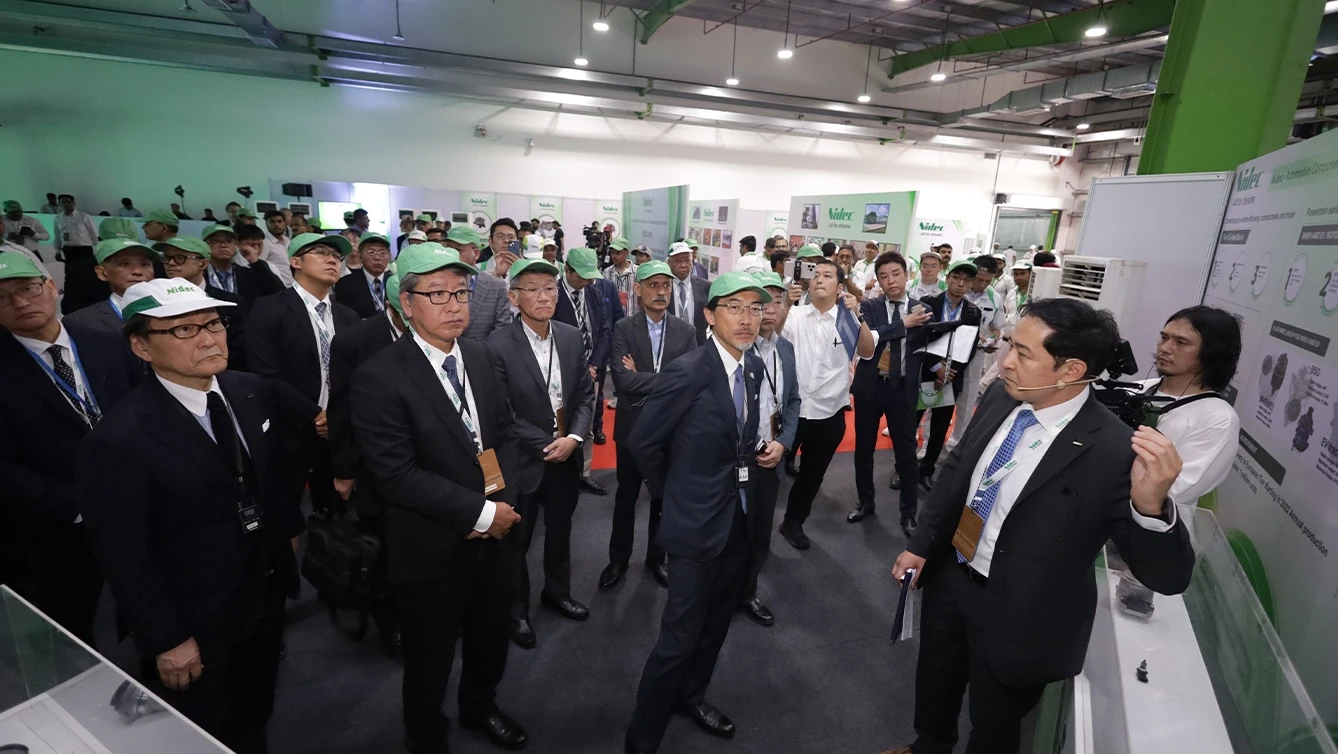
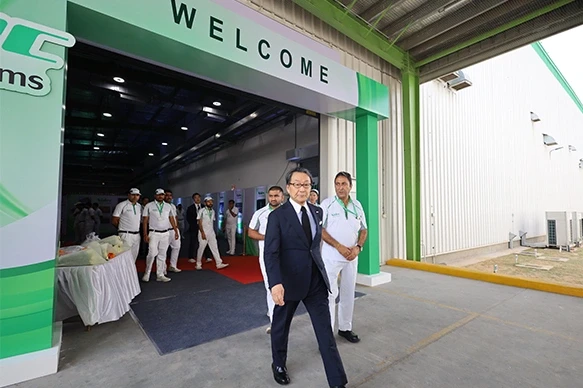
For a mid-to-large scale plant inauguration event, six to eight weeks is a realistic minimum, and that's assuming the plant's civil and safety readiness is already on track. If the facility itself is still being finished closer to the date, planning needs to start even earlier so the event team isn't racing construction timelines.
Yes, this is actually fairly common, and it's manageable with the right site zoning. The event team cordons off the guest-facing area completely from active construction zones, and a proper safety walk-through is done jointly with the client's site engineers before finalising layouts.
Underestimating logistics for guest movement inside an industrial site. Offices and factories aren't built for foot traffic the way banquet halls are, so walkways, signage, and crowd flow need dedicated planning, not an afterthought.
Yes. A good amount of our factory and plant inauguration work happens in Tier-2 industrial belts, where the constraints around vendor availability and infrastructure are genuinely different from a metro, and where planning has to compensate for that from the start.
Every runsheet we build has flex windows planned into it in advance, plus a dedicated on-ground problem owner whose only job is managing anything unplanned. That combination is usually what keeps a delayed VIP convoy or a late vendor from turning into a visible disruption for your guests.