A delegation lands in India after a long flight. They're tired, curious and quietly wondering whether the trip will be worth it.
The first forty-eight hours set the tone for everything that follows, and no amount of clever programming later can fully repair a clumsy start. That's why an international MICE agency in India spends so much planning energy on the first two days. Here's how we'd run them.
The welcome starts before arrival. Each guest should know, a day ahead, who is meeting them, what that person looks like and how to reach them. A clear name board, a friendly face and a vehicle waiting at the kerb make the first ten minutes calm.
Visa and immigration queues can be long. Good ground teams track flights live, so pickups adjust to delays without anyone waiting in the wrong place.
Give every guest a single phone number and a single name. Not a group chat with twelve people, but one person who answers. When a guest has a question at midnight, they should know exactly who to call. It sounds simple, and it's the difference between feeling looked after and feeling lost.
Check-in is where many trips quietly go wrong. Long queues after a long flight are exactly what nobody wants. Ask the hotel for pre-assigned rooms and a private check-in desk, with keys or cards ready in a welcome envelope.
Put a small welcome kit in each room. Useful items include a local SIM or Wi-Fi details, a city map, the daily schedule, emergency numbers and a note from the host. It's simple, but guests remember it.
Money and mobile data matter too. Most hotels accept international cards, but small shops often prefer cash or digital payments, so a little local currency helps. Share Wi-Fi details at check-in. Guests will want to message home within minutes of arriving. It really does help.
Jet lag and unfamiliar food can be a rough combination. For the first meal, keep it comfortable. Offer light options, label dishes clearly and mention vegetarian choices. Many Indian guests are vegetarian, and visitors should feel free to choose without fuss.
Offer a mild menu on the first night, then introduce stronger regional flavours once everyone has settled in.
Bottled water, clean food and a medical contact list are basic safety measures. Suggest travel insurance to every guest, and keep a nurse or a trusted clinic on call for the programme.
Resist the urge to fill the first morning. A short orientation over late breakfast works better than a packed agenda. People need time to sleep, call home and unpack.
A good first half-day might include:
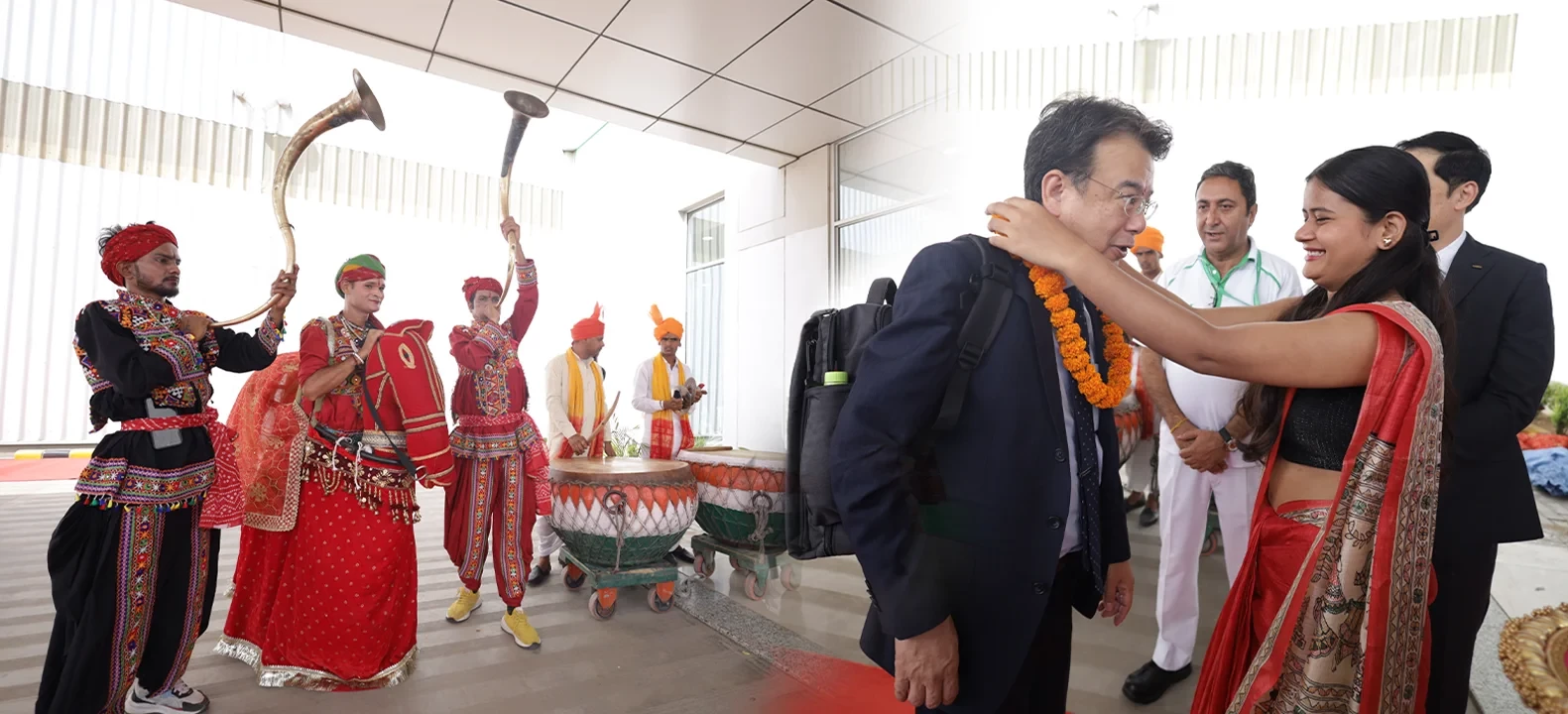
The first evening is your chance to say, "You're in India." Think of a warm, cultural welcome rather than a grand show. A lamp-lighting ceremony, a live musician, a small henna or marigold garland moment and a well-planned dinner go a long way.
For delegations of senior leaders, keep speeches short. Let conversation do the work.
Little moments land well. Put each guest's name on a handwritten card. Offer local sweets with the evening tea. Mention one local fact about the city on the programme. These touches cost very little, yet they say that someone planned the days with real care.
By now, guests have settled. This is the day for the core business, whether that's a meeting, a plant visit or a conference. Give them a reliable route, a punctual start and a friendly host who knows their names.
Keep an eye on energy. A short break every ninety minutes, plus proper water and tea, keeps people sharp.
End day two with something warm, not rushed. A relaxed dinner, a short thank-you and the next day's pickup times printed on a card help guests sleep well and feel ready for what comes next.

Most of these problems are small on paper and big on the day. A short pre-arrival call with the ground team, the hotel and the transport lead, held two days before landing, catches most of them.
A little preparation helps guests feel comfortable. Share a one-page note covering greetings, dress at religious places, tipping norms and what to do when a host offers tea or sweets. It's a small gesture that shows respect for both sides.
SKIL Events is a corporate MICE company in India with 24 years of experience. We handle arrivals, visa support, hotels, transfers, production and farewells together, so one team owns the whole journey. As a MICE and events company in India, we also manage hospitality, gifting and emergency support, which matters when plans shift at short notice.
If you're comparing an international MICE agency in India, ask how they track arrivals in real time and who answers the phone at two in the morning. The honest answers are usually the most useful ones.
1. Share pickup details a day ahead.
2. Arrange pre-assigned rooms and a welcome kit.
3. Keep the first meal light and clear.
4. Start day one gently.
5. Plan a warm, short welcome evening.

Airport pickup, easy hotel check-in, a light meal and a gentle schedule. Avoid a packed agenda on day one. Add one friendly moment, like a short welcome from the host.
Start early, track every passport and share a simple checklist. Good ground teams also offer on-ground support if issues appear. Check passport validity too, and send reminders a day before travel.
Light, clearly labelled dishes with vegetarian options and a mild menu. Introduce stronger regional flavours once guests settle. Water and tea should always be handy. Keep snacks ready for late arrivals.
Track every flight live, keep a flexible vehicle pool and have a team member waiting at the airport for each arrival. Keep guests informed by message. Nobody should wait wondering.
Yes. SKIL Events manages arrivals, visas, hotels, events and farewells, with experience across India and international destinations. Our team stays on call throughout. Ask us for a sample itinerary.