They keep it simple, punctual and respectful of both cultures. A typical plant opening mixes a short corporate programme an Indian ritual such as lamp lighting, a guided plant tour and a shared meal.
For plant inauguration event management in Chennai, or anywhere else, the format below works well for visiting German teams.
We are not describing what every company does. This is simply a format we have seen work again and again, and you can bend it to your own taste.
India has a large auto industry, trained engineers and growing demand. Chennai and Pune are two well-known auto hubs, so many suppliers pick one of them. Others look at Gujarat, Rajasthan or the National Capital Region.
Choice of city usually follows customers, talent and land, not ceremony. But once the plot is chosen, the opening is where the whole team gets to celebrate.
Opening a plant here is a big commitment, and the opening ceremony is the first public statement of it. Customers, local officials and new employees all watch closely.
New employees especially notice. They want to know if the company is serious, friendly and organised, and the opening answers all three in one morning.
A well-run ceremony follows a clear order. Here is a format that works.
It should take about two to three hours from arrival to lunch. Anything longer tends to tire visitors, especially after a long flight.
For a Pune plant, the same flow works. If you are searching for plant inauguration event management in Pune, ask the partner to show you a sample run of show.
A good sample lists timings to the minute, names who is responsible for each cue and shows what happens if something runs late.
German teams often value punctuality, clear agendas and short speeches. Indian ceremonies often include rituals, a chief guest and a warm, slightly longer welcome. The two can sit side by side.
In fact, guests from both sides often say the mix was the best part of the day. The punctual start feels reassuring, and the ritual feels like a warm welcome.
Fix the start time and the order of events. Leave small buffers for the chief guest's arrival and for the ritual.
A ten-minute buffer here and there costs nothing, and it keeps the rest of the day calm.
Send a short note on what to expect: the lamp, the coconut, the shawl and the sweets. Visitors enjoy the day more when nothing surprises them.
A single page with photos and short explanations is enough. Send it a week before they fly. Keep it friendly.
Many Indian hosts pick an auspicious time for the ribbon. Plan the day around it, rather than trying to move it.
If the auspicious time falls at an awkward hour, build breakfast or tea around it so guests are not waiting hungry.
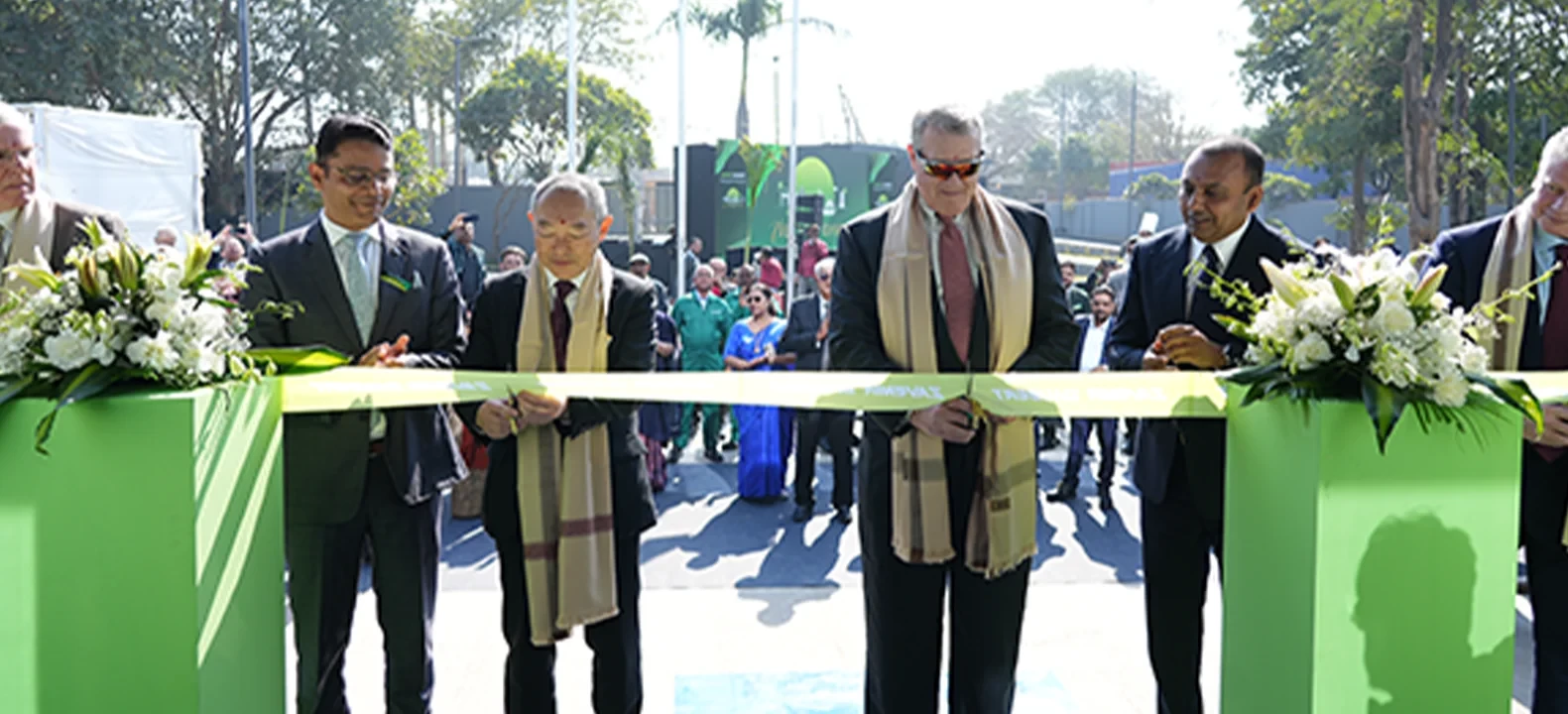

Chennai has its own flavour. A plant launch event management in Chennai plan may include traditional touches like a kolam at the entrance. The northeast monsoon from October to December brings heavy rain, so an outdoor ceremony needs a covered backup.
Tents, a hall nearby or a quick switch to an indoor space can save the day, as long as the team decides in advance who calls the switch.
Chennai also has strong local hospitality, so food and welcome gestures matter. Local flowers, local music and regional dishes all make a visiting team feel at home.
Small things like a handwritten welcome note or a snack in the car ride add more warmth than an expensive gift.
Keep a few spare sets in common sizes, because visiting guests rarely arrive with their own.
Executives often need to join one call before lunch. A small room with a closed door solves that at almost no cost.
For a factory event, plan four to eight weeks. This covers the site visit, approvals, rehearsal and the muhurat. Larger plants with many officials may need more.
Add one full rehearsal on the plant floor, ideally a day before, so the stage, sound and entry points are tested with real people.
Government permissions, in particular, can move on their own timeline, so start those early.
SKIL Events has 24 years of experience and has run factory inaugurations such as Bürkert Fluid Control Systems at Talegaon MIDC, Pune, with about 200 guests, and Zavenir Daubert in Gurgaon with 180 guests. With offices in Mumbai, Pune, Bengaluru, Delhi and Chandigarh, our teams handle venue, rituals, production, guests and safety in one plan.
We also handle the quieter details, like parking passes, name tags and a seating plan for the head table.
1. Pick the city and confirm the plant is ready.
2. Choose the muhurat early.
3. Share a run of show with the visiting team.
4. Plan a backup for rain.
5. Brief guests on customs.
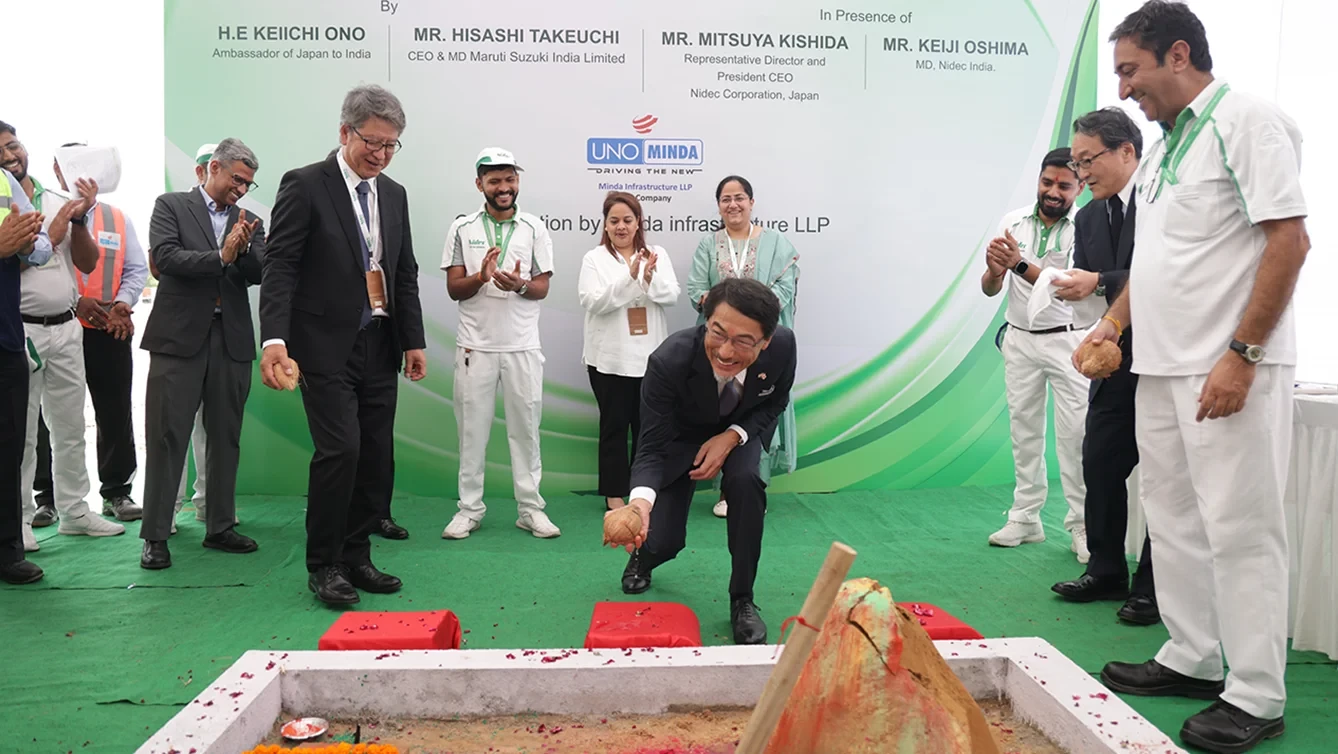
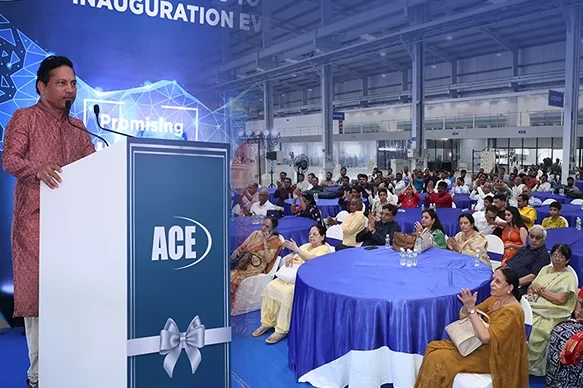
They mix a short corporate programme with an Indian ritual, a plant tour and a shared meal. The details change with each plant. Simple works best, and guests leave with a clear picture of the new site.
Usually four to eight weeks, including site visit, approvals and rehearsal. Permissions can add time, so start approvals first. A rehearsal day helps.
Yes. SKIL Events plans plant events across India, including Pune and Chennai. We handle rituals, guests and safety. Our Pune team has run several of these. Ask for a sample plan.
Plan a covered backup, since the northeast monsoon is active from October to December. Tents or a nearby hall work well, and it costs little. Decide who calls the switch beforehand.
No. They can watch or join if invited, and most guests enjoy joining in. A short briefing makes everyone comfortable.