Let's be honest. Most companies pick their MICE destination the same way people pick a restaurant on a Friday night. Someone suggests a place, nobody has a strong enough objection, and suddenly you are committed to something you are not entirely sure about.
That works fine for dinner. For a 350-person annual sales meet in a foreign country, it is a fairly expensive way to figure out what you should have asked six months ago.
MICE event management is one of those things that looks straightforward from the outside and genuinely is not. The destination decision alone involves more variables than most corporate planners realise, and the ones who figure that out after the contract is signed usually have a very stressful event to show for it.
So here is what the people who do this for a living actually think about before they recommend a MICE destination to a client.
This is the first thing most companies get backwards. They find a venue they like, confirm it fits the budget, and then build the event around it. Professional MICE events organizers tend to work the other way around.
Before a venue even comes into the conversation, the questions are about the audience. Who is travelling to this event and from where? What is the purpose of the gathering, beyond the agenda? Is this a reward trip, a strategic alignment event, a team reset, or a performance-driven conference? What do you want people feeling when they land, and more importantly, what do you want them feeling when they leave?
The destination sets the psychological tone for everything that follows. A beach resort in Phuket sends a different signal to your sales team than a city hotel in Singapore, even if the agenda is identical. MICE corporate events that land well are usually ones where the destination felt intentional, not incidental.

Here is a practical one that catches a lot of companies off guard. You find a beautiful property. The rates are good. The conference facilities are genuinely excellent. And then you realise that getting 350 people from seven different Indian cities to this location involves three connecting flights, a two-hour layover in a hub that does not treat connecting passengers particularly well, and a ground transfer that adds another ninety minutes on the other end.
By the time your delegates arrive, they have been travelling for the better part of a day. The first session is the following morning. Roughly forty percent of them are going to be running on broken sleep and airport food, and the energy in the room is going to show it.
Connectivity is one of the first filters that experienced MICE event management teams apply. The best MICE destination for your event is not always the most exotic one. It is the one your delegates can get to without arriving exhausted.
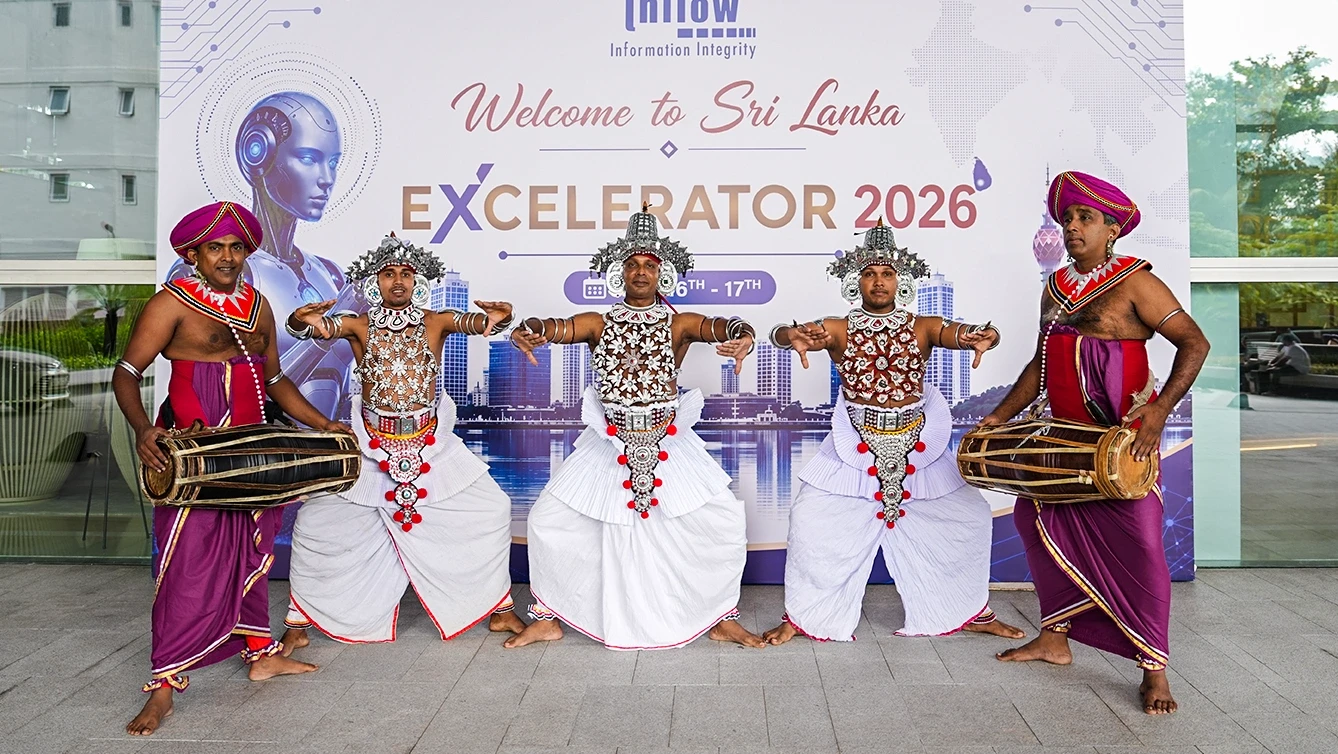
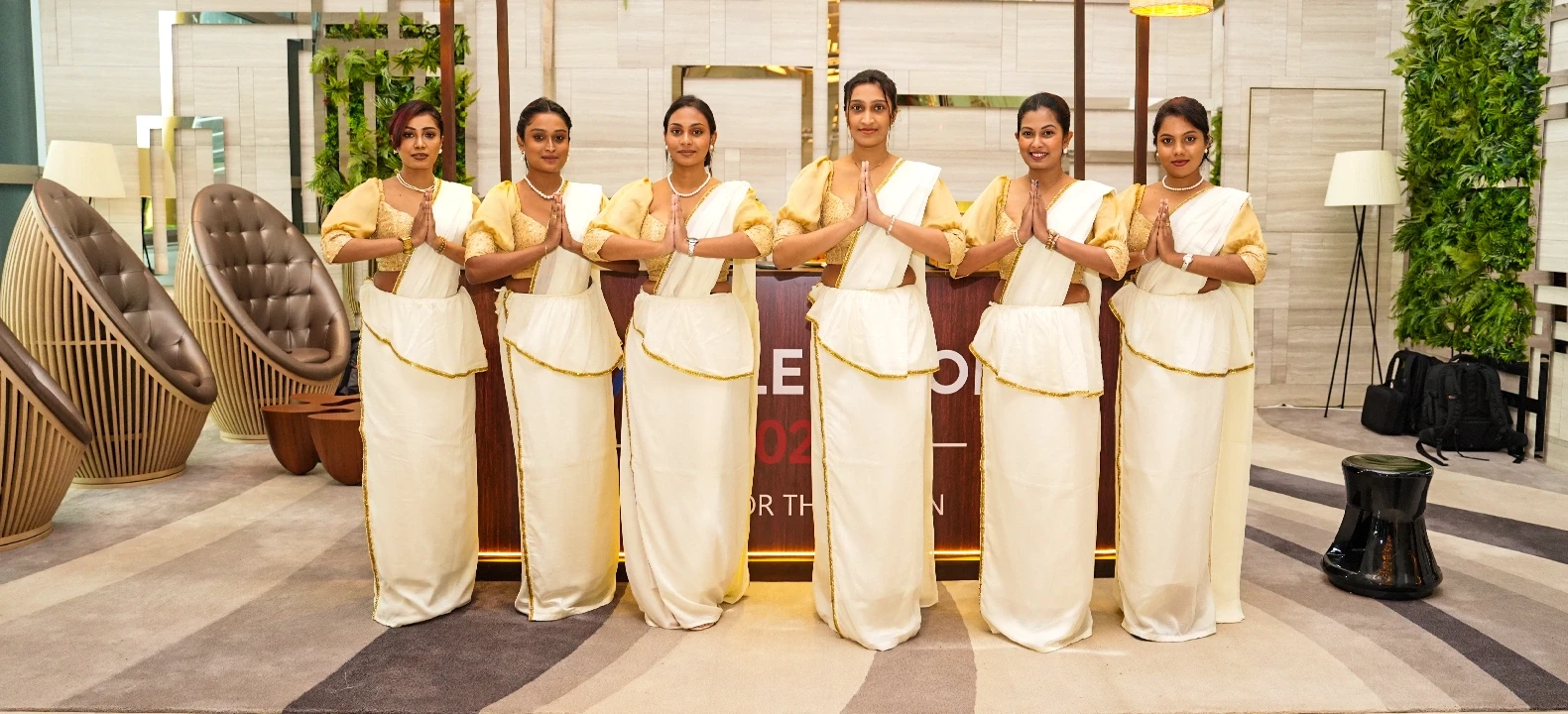
When SKIL Events worked with Inflow on their Annual Sales Meet for 350 delegates, the brief called for something that felt genuinely special, a destination that signaled to the team that the organisation valued this gathering. Cinnamon Life in Colombo ticked that box. It is a world-class integrated resort with conference facilities that can handle a group that size without the event feeling like it is competing with the hotel's other guests for space.
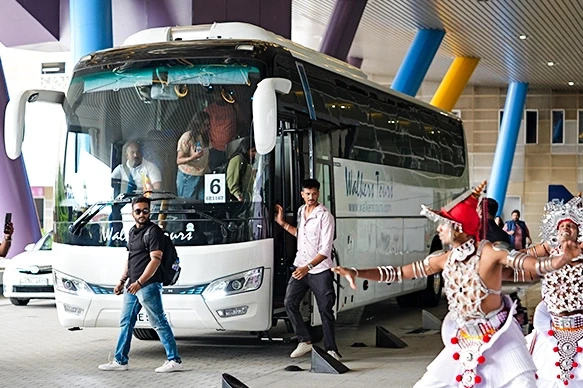
But what made it work practically was the connectivity. Colombo is well-served from most major Indian cities, the transfer from the airport to the property is manageable, and the overall travel experience for delegates did not eat into the energy that the event itself needed.
That combination of aspiration and practicality is what good MICE destination selection actually looks like.
This is where a lot of companies hand over trust to a vendor and get back a surprise. The room rates look fine, the conference package covers what you need, and the deck from the property sales team is very polished.
What the deck does not tell you is how the property manages groups of 350 at breakfast. Or whether the AV team on site has worked with the kind of production spec you are bringing. Or what ground transportation between the hotel and off-site dinner venues actually looks like in that city on a Thursday evening.
These are things you only know if you have either been there before or you are working with a MICE events partner who has. SKIL Events maintains relationships and operational knowledge across destinations specifically because these details are the difference between an event that runs smoothly and one that requires constant firefighting.
One of the more common mistakes in MICE event management is treating the destination budget as a fixed line item that gets distributed equally across flights, accommodation, and production. The better approach is to understand which elements of the experience your delegates will actually notice and feel, and allocate accordingly.
In most MICE corporate events, delegates feel the accommodation quality, the food, and the evening experiences most acutely. They are less sensitive to production elements that look impressive in a proposal but do not significantly change the lived experience of being in the room.
A slightly less premium conference facility at a destination that offers genuinely memorable evening programming will usually land better with your audience than a state-of-the-art conference centre where the offsite experience is an afterthought.
Choosing the right MICE destination is not about finding the nicest place you can afford. It is about finding the place that fits the audience, the objective, the travel logistics, and the overall experience you are trying to create, and then making sure every operational detail holds up once the delegates actually arrive.
That requires experience, relationships, and a fair amount of honest conversation about what the event actually needs to do.
It is also, when it comes together well, one of the most rewarding things in MICE event management to pull off.
There is no single most important factor but connectivity comes close. If your delegates cannot get there comfortably or if the journey eats into their energy before the event has even started, the destination itself becomes a liability regardless of how good it looks on paper. Beyond connectivity, alignment between the destination's character and the event's purpose matters a great deal.
For large-scale MICE corporate events of 200 or more delegates, ideally six to nine months in advance. This gives enough runway to negotiate room blocks at contracted rates, manage visa requirements for international destinations, and sort ground logistics without the pressure of a compressed timeline. Experienced MICE event management companies will push for this lead time early in the planning process.
The checklist expands significantly. Visa requirements, currency and forex management, international flight coordination, ground transportation infrastructure in a foreign city, food and dietary accommodation for Indian delegates, time zone impact on productivity. None of these are insurmountable but all of them require active management rather than assumption.
For significant events, yes. A site inspection gives you information that no brochure or sales call can. How the property actually feels at scale, whether the conference facilities work the way they are described, what the surrounding area offers for offsite programming. SKIL Events conducts site inspections for major MICE events precisely because the gap between a venue's marketing and its operational reality can be significant.
Competitive pricing compared to Southeast Asian alternatives, excellent connectivity from most major Indian cities, a genuinely warm hospitality culture, and world-class integrated resort properties like Cinnamon Life that can handle large group events without compromising on quality. The visa process for Indian nationals is also relatively straightforward which removes one of the common friction points in international MICE event management.