
"How did the launch go?" is usually answered with a vibe, not a number. Everyone felt the energy was good, the stage looked great, and people clapped in the right places. That's nice, but it's not a measurement, and it definitely won't help you justify the budget for next year's launch to someone in finance who wasn't in the room.
Product launch events often get judged on attendance numbers and how the photos turned out. Those matter, sure, but they don't tell you whether the launch actually moved the needle on what it was meant to achieve, whether that's media coverage, lead generation, dealer confidence, or internal team alignment.
A room full of 500 people means little if only 50 of them can accurately repeat your key message a week later. Some product launch event management companies now build in simple post-event surveys, sent a few days after, asking attendees to recall the core announcement in their own words. The gap between attendance and retention is often larger than clients expect, and it's one of the clearest signals of whether your product launch events actually landed.
Ten mediocre mentions matter less than two well-placed, detailed pieces in publications your target audience actually reads. Tracking which outlets covered the event, how deeply, and whether the coverage included your key messaging accurately is far more useful than a simple press clipping count.
How quickly did people act after the event? Did website traffic spike within 48 hours? Did dealer or partner inquiries increase in the following week? A strong corporate launch event usually creates a measurable, time-bound spike in relevant activity, and tracking that window tells you far more than a vague sense that "engagement felt good."
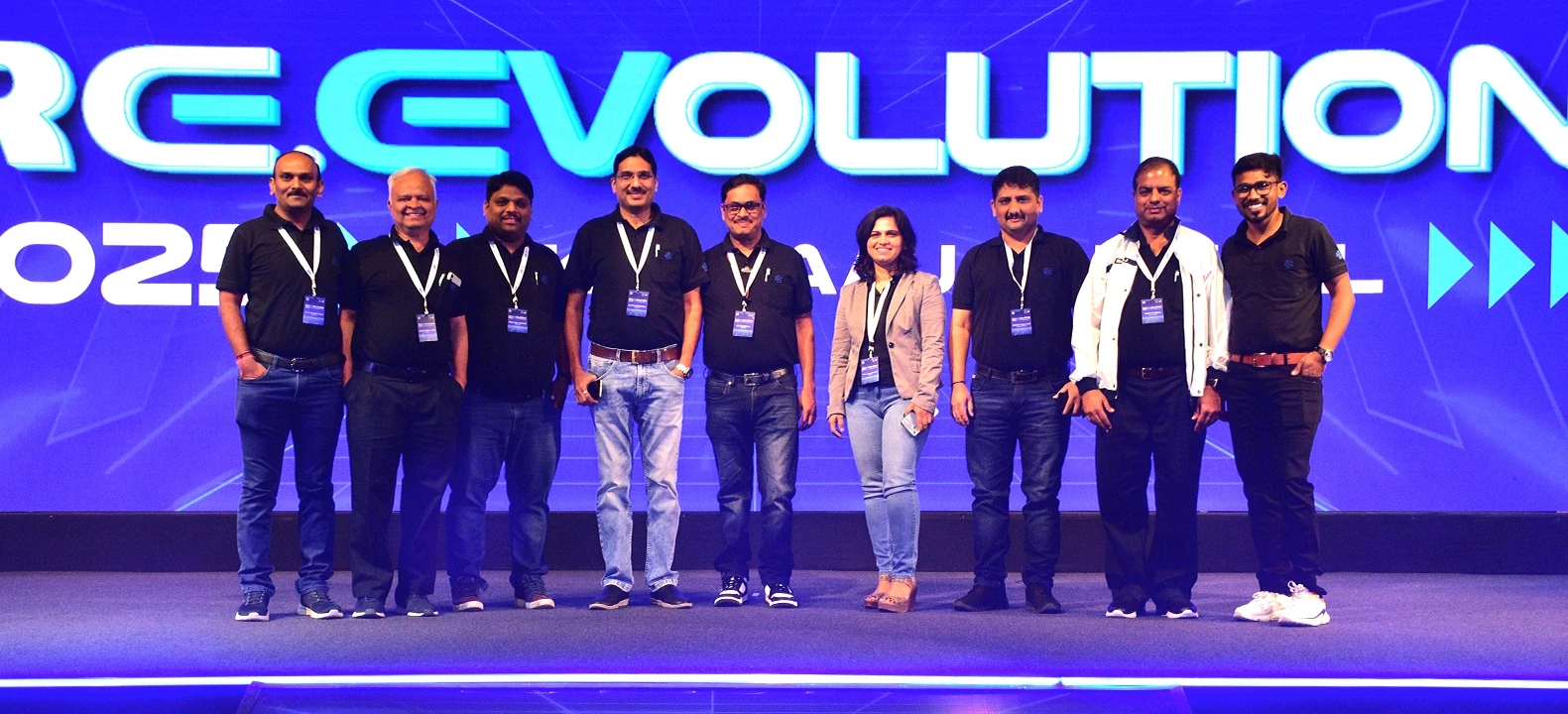

This category gets ignored most often, even though internal alignment frequently predicts external success. If your own sales team isn't excited enough to talk about the launch, external audiences will likely feel that gap too.
Not cost per attendee, cost per meaningful interaction. A 200-person launch with 150 genuinely engaged decision makers can outperform a 1,000-person event where most attendees were passive observers. This requires being honest about what counts as meaningful, which usually means direct conversations, demo requests, or follow-up meetings booked, not just badge scans at the door.
You can't measure a lift if you never captured a baseline. Before your product launch event, take a snapshot of the numbers you plan to track afterward, current website traffic patterns, existing media mention frequency, whatever internal sentiment you can reasonably gauge. Without this, every post-launch number floats in isolation, and it becomes genuinely difficult to argue the event caused a change versus normal business fluctuation that would've happened anyway.
This baseline step gets skipped constantly, usually because it feels like an unnecessary extra task in the busy weeks leading up to a launch. But it's the single easiest thing that separates a report full of impressive-sounding numbers from one that can actually withstand a skeptical question from finance about whether the event budget was justified.
One quiet reason ROI tracking falls apart is that ownership is unclear once the event ends. The events team moves on to the next project, marketing assumes someone else is watching the numbers, and by the time anyone checks back in, the most useful early signals, like the 48-hour engagement spike, have already passed unnoticed. Assigning one specific person to own post-launch measurement, with a clear check-in schedule for the first two weeks, solves this far more reliably than hoping it happens organically.
None of these metrics work in isolation. A launch with excellent message retention but poor post-event engagement velocity suggests the messaging landed but the follow-up process broke down. A launch with strong media coverage but weak internal alignment suggests external perception outpaced internal readiness. Reading these metrics together gives a far richer picture than any single number.
At SKIL Events, we've run product launches at very different scales, from intimate boardroom reveals to large-scale events with thousands of attendees, and the pattern holds consistently. Clients who define these metrics before the event, not after, tend to walk away with a much clearer sense of actual ROI, rather than just a gut feeling about how the day went.


Focusing only on attendance and immediate reactions instead of tracking retention, follow-up engagement, and internal alignment over the following weeks.
Around three to five days later works well, giving attendees time to reflect without the memory fading too much.
The same core metrics apply, but smaller launches should weigh quality of interaction more heavily than raw numbers.
Yes, experienced teams often build measurement plans into the event strategy from the start, rather than treating it as an afterthought.