Every company says people are their biggest asset. A Corporate Family Day Event is one of the few times that statement leaves the boardroom and enters real life.
Because this is not just an event for employees. It’s an event for the people who make those employees who they are.
The spouse who hears about deadlines over dinner.
The child who knows which parent comes home tired on Fridays.
The parents who still ask, “Beta, kaam kaisa chal raha hai?”
A well-designed Family Day doesn’t feel like an HR initiative. It feels like a thank-you that didn’t need to be said out loud.
And yet, many Corporate Family Days fall flat. Too formal. Too noisy. Too rushed. Or worse, forgettable. The kind people attend because it’s on the calendar, not because it leaves a mark.
Designing a Family Day that employees remember takes intention. It takes empathy. And it takes understanding that this is not about scale. It’s about connection.

Work has changed. Families feel it before companies do.
Longer hours. Hybrid schedules. Always-on phones. Children who grow up hearing “just one call”. Parents who wonder if the pressure is worth it.
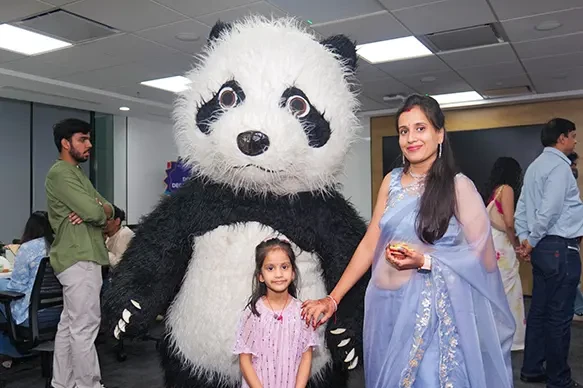
A Company Family Day Event quietly addresses something policies cannot. It lets families see where their loved one spends most of their day. It puts faces to job titles. It humanises the workplace.
According to a 2024 report by Deloitte on workplace culture, organisations that actively involve families in engagement initiatives see stronger emotional commitment and lower attrition intent. Not because of perks, but because people feel seen.
Family Day says, “We acknowledge the whole person, not just the employee.”
The biggest mistake companies make is starting with activities.
Games. Performances. Food menus. Bounce castles. Those are tools, not strategy.
The real starting question is simpler and harder at the same time:
How should people feel when they leave?
Once that emotion is clear, decisions become easier. Everything else flows from there.
At SKIL Events, this question is where every Family Day planning conversation begins. Because without emotional clarity, even the most expensive setup feels hollow.
Family Days fail when they lean too heavily in one direction.
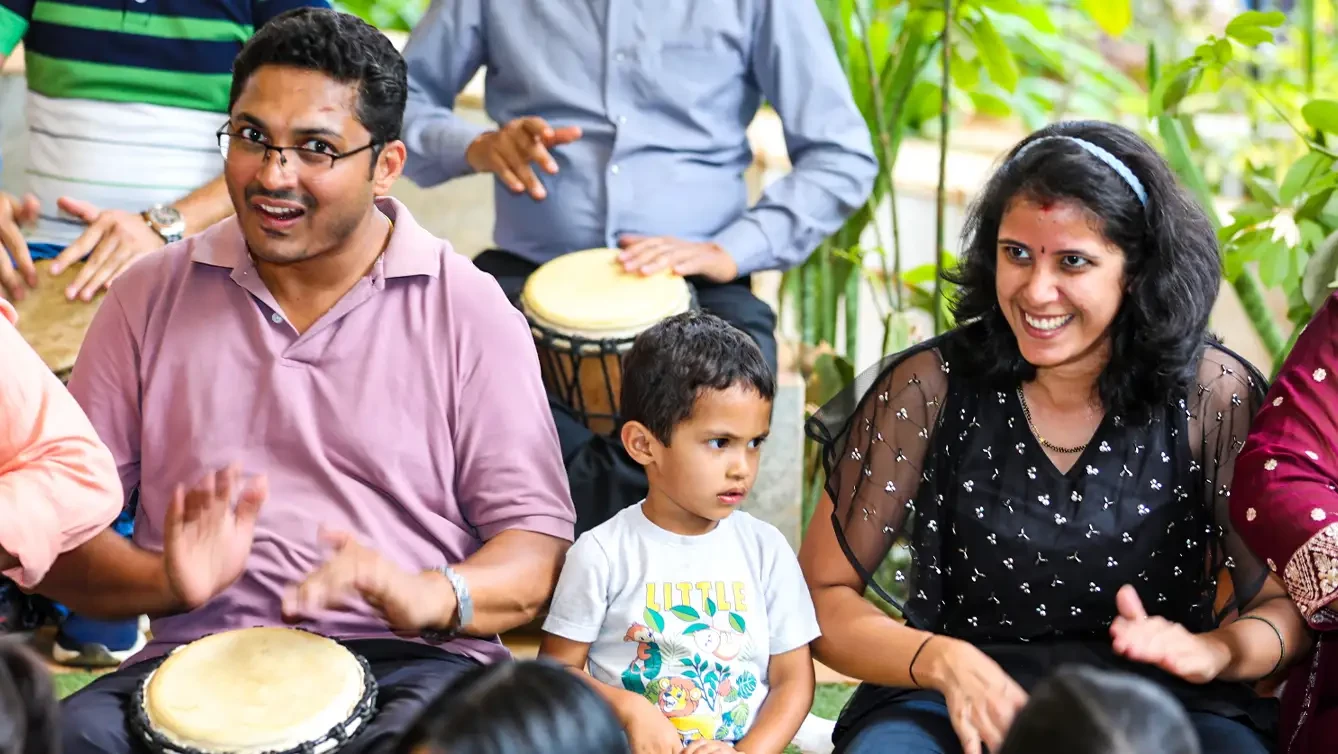
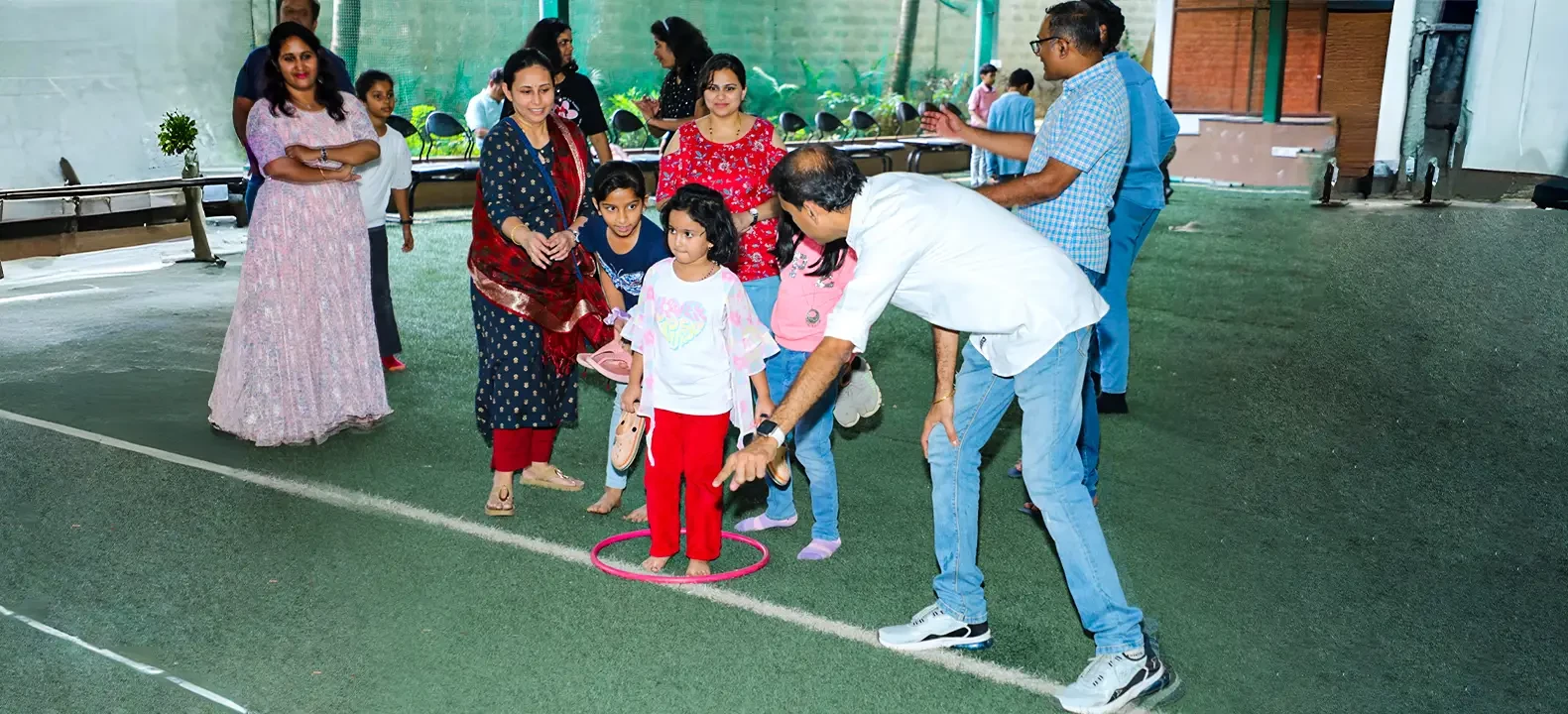
A strong Corporate Family Day Event balances generations without forcing interaction. Children need freedom, colour, and energy. Adults need comfort, conversation, and moments of pause. This means zoning, not stuffing everything into one space.
A calm area where parents can sit without shouting. A high-energy zone where kids can run without restraint. Shared moments that gently bring everyone together without announcements.
When people choose where to be, they enjoy it more.
People don’t remember lists. They remember moments.
Not “there were five games”. But “my daughter pulled me onto the stage”. “My spouse finally met my team”. “We laughed at that silly competition”. This is where Company Family Day Event Ideas need to evolve beyond checklists.
Think in terms of experiences:
When experiences invite participation instead of observation, memories stick.
Family Days are not town halls. Leadership presence should feel human, not hierarchical. No long speeches. No podium energy. No scripted appreciation monologues.
The most powerful moments happen when leaders are seen, not heard. Standing in food lines. Talking to parents. Playing with children. Laughing without being watched.
This visibility changes perception. It tells families that the company their loved one works for has a face, not just a logo.
SKIL Events often advises leaders to show up early and stay visible, not central. Presence without performance is what people notice.
Food can make or break a Family Day. Not because of luxury, but because of consideration.
Families notice if options are inclusive. Parents notice hygiene. Children notice the presentation.
Elders notice comfort. Food counters should feel inviting, not rushed. Seating should encourage people to stay, not eat and leave.
When people sit longer, conversations deepen. And conversations are where bonding quietly happens.
One of the most overlooked aspects of Corporate Family Days is pacing. Too many activities create anxiety. Too few create boredom.
A good Family Day breathes. Arrival feels unhurried. Midday energy peaks naturally. Afternoon slows down. The closing feels warm, not abrupt.
People should never feel like they’re “missing something” because they stepped away. When the flow is right, the day feels effortless, even though it’s anything but.
Memories matter. Documentation matters too. But cameras should observe, not interfere.
Forced photo ops. Overdirected videos. Constant announcements. These break immersion. The best Family Day captures are candid. Unposed. Real. A child asleep on a parent’s shoulder. A group laughing mid-conversation. A moment nobody knew was special until they saw it later.
When people recognise themselves in those moments, the emotional recall is instant.
The most successful Family Days are the ones where nobody notices the management. Because nothing goes wrong. Medical support is there, but invisible. Volunteers are helpful, not controlling. Signage guides without shouting. Logistics flow quietly in the background. This is where experience matters.
SKIL Events brings this quiet competence from years of managing large-format employee experiences where families are involved. When children and elders are present, the margin for error disappears. Planning has to be precise without feeling heavy.
At the end of a great Family Day, something subtle shifts.
Employees walk back into work feeling lighter.
Families speak about the company with warmth.
Children remember the place their parents work, not just the hours they’re away.
This is the real return on a Corporate Family Day Event. Not attendance numbers. Not social posts. But emotional equity.
It shows up later. In loyalty. In pride. In how people speak about their workplace when nobody is listening.
A memorable Family Day doesn’t need extravagance. It needs thought.
Thought about people.
Thought about energy.
Thought about how work and life intersect.
The best Company Family Day Event Ideas are the ones that don’t feel like ideas at all. They feel natural. Considered. Humans.
SKIL Events approaches Family Days not as one-day engagements, but as culture moments. Designed carefully. Executed quietly. Remembered long after the tents come down.
Because when families feel welcomed, employees feel rooted. And that’s something no policy can replace.