Okay so let's talk about the metaverse. Before you roll your eyes, hear us out. Because what's happening with metaverse and mice events right now? It's actually pretty wild.
We'll be honest, a couple years back we were skeptical too. The whole thing felt overhyped. But then we started seeing what mice event companies are doing with it, and our whole perspective shifted.
The metaverse isn't replacing real events. It's not about choosing between physical or virtual. It's about creating this hybrid space where both exist and make each other better. And for mice and event planning, that's a game-changer.
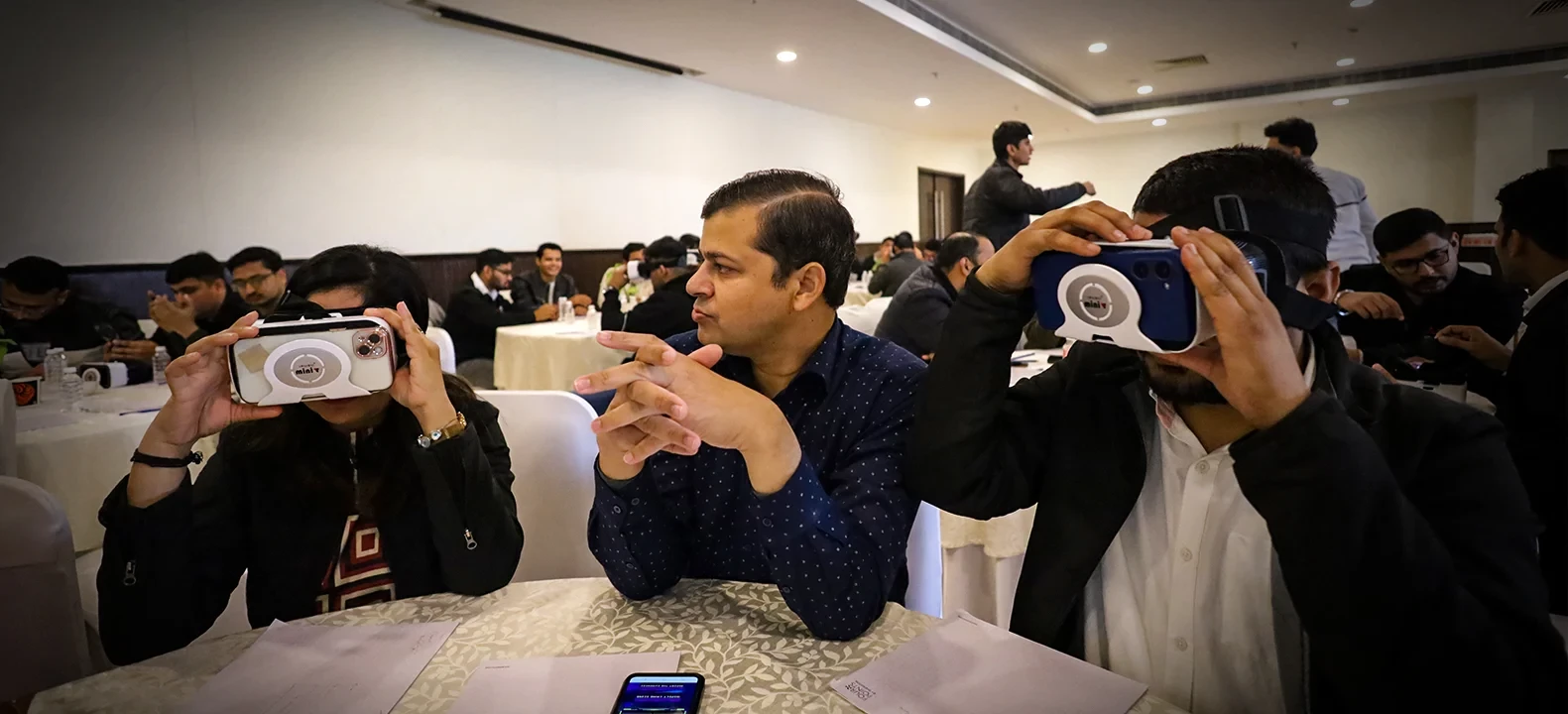

Let's get real about what we mean by "metaverse events." We're not talking about everyone floating around as avatars. We're talking about immersive digital experiences that connect with physical events in ways that weren't possible before.
The global metaverse market is expected to grow from $100.27 billion in 2024 to $507.8 billion by 2030, and a huge chunk of that growth is coming from events and experiences.
At SKIL Events, we've been experimenting with metaverse elements in mice management. Not because it's trendy, but because it solves actual problems. How do you include global stakeholders who can't travel? How do you create pre-event buzz? How do you extend the life of an event beyond those two days?
The metaverse gives you answers to all of that.
Here's what clicked: mice events; meetings, incentives, conferences, exhibitions, are about bringing people together. The metaverse doesn't change that goal. It expands how and where it can happen.
Think about a typical mice event company challenge: 500 people registered, but only 300 can physically attend due to travel restrictions or budgets. Those 200 people either miss out or get a watered-down livestream.
With metaverse integration? Those 200 people attend in a virtual space that's actually engaging. They can network, visit virtual exhibition booths, participate in sessions, have one-on-one meetings. They're not second-class attendees, they're full participants.
85% of event planners believe hybrid events are here to stay, and the metaverse is what makes those hybrid experiences work instead of feeling like a compromise.
Before you stress about needing crazy tech, let me break down what's actually required.
What you actually need:
What you don't need:
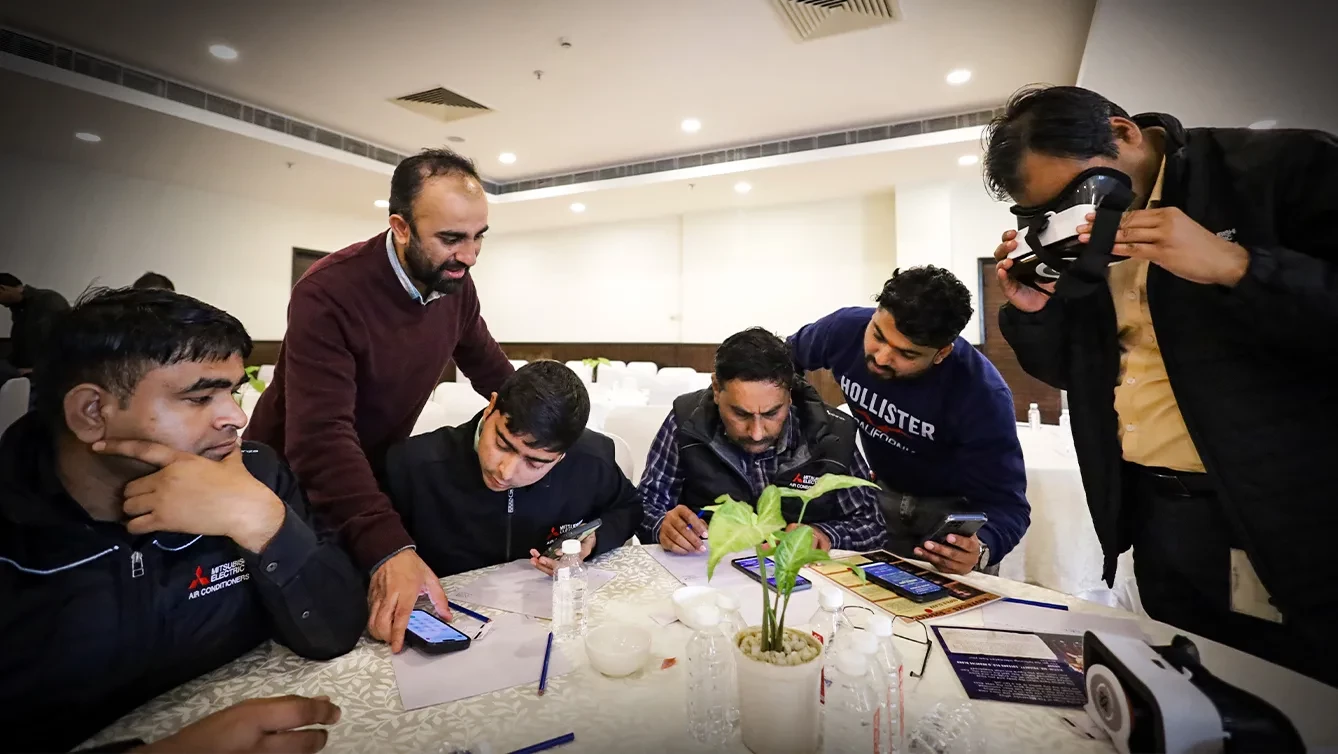
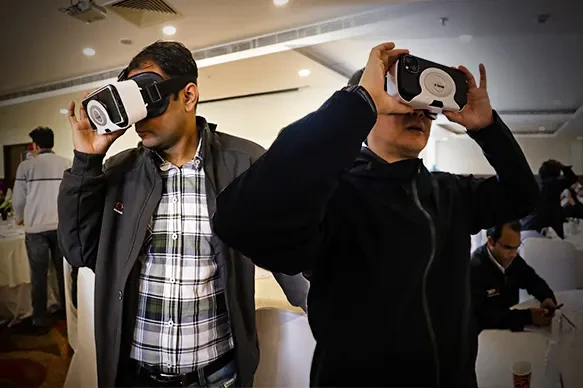
At SKIL Events, the best metaverse integrations feel seamless. Tech fades into the background while experience takes center stage. We use VR headsets for specific high-impact moments, immersive product demos or virtual venue tours. But most of the metaverse experience happens through simpler tech people already know.
Pre-event networking: Create virtual spaces where attendees meet weeks before your conference. Virtual lounges for actual conversations. Those connections carry over to the physical event.
Hybrid exhibitions: 50 physical booths, 100+ in the metaverse. International vendors create interactive virtual booths. Sometimes virtual booths are MORE engaging.
Extended lifecycle: Physical mice event lasts three days. Metaverse component stays active for weeks. 68% of attendees say they're more likely to attend if there's a virtual option.
Training programs: Create immersive metaverse learning, then bring smaller groups together physically for high-touch moments.
We've been doing this long enough to know what works versus what's gimmicky.
Start with the problem, not the tech. Don't add metaverse elements just to say you did. Ask what problems you're solving or experiences you're creating. Then figure out if metaverse helps.
Design for both audiences equally. The biggest mistake mice event companies make is prioritizing one audience over the other. Both experiences need to feel complete and valuable while complementing each other.
The human touch still matters. Just because it's in the metaverse doesn't mean it should feel robotic. We bring in live hosts, real-time interaction, spontaneity.
Accessibility is key. The metaverse events market is projected to grow at a CAGR of 34.6% from 2024 to 2030, but that only happens if people can actually use these experiences. We test with real users, make interfaces intuitive, provide tech support.
Traditional mice events have huge overhead; venue, travel, accommodation, catering. Metaverse components can reduce costs while expanding reach.
One client ran a hybrid conference. Physical: 400. Virtual: 1,200. Cost per virtual attendee was under 25% of physical cost, but surveys showed they got nearly the same value.
Plus, the data is powerful. Track which sessions people attended, engagement time, content downloads, networking connections. That intelligence improves future events.
"Our audience isn't tech-savvy enough." If your audience can use Zoom or browse Instagram, they can handle a well-designed metaverse platform. The key is choosing the right platform and providing clear onboarding.
"It'll feel impersonal." Only if you design it that way. We've created metaverse spaces that feel MORE personal than some physical events because you can have intimate conversations without the chaos of a crowded venue.
"The tech will fail." Tech can fail. So can projectors at physical events. You plan for contingencies, test rigorously, have backup systems. That's mice management 101.
The future of mice event companies isn't choosing between physical or virtual. It's getting really good at blending both.
We're moving toward persistent event spaces, places that exist year-round in the metaverse where communities gather, not just during the annual conference. Like having a clubhouse that's always open.
Technology is getting better and easier. Costs are coming down. And both organizers and attendees are getting more comfortable with hybrid experiences.
At SKIL Events, we're constantly exploring new ways to make metaverse integration feel natural and valuable. Because we've seen how it can make mice and event experiences better for everyone.
If you're in mice management and not exploring metaverse options, you're gonna fall behind.
The mice event companies winning right now treat metaverse as another tool in their toolkit, one that expands what's possible but doesn't replace fundamentals of great event design.
You still need compelling content. You still need genuine connections. You still need moments that matter. The metaverse just gives you more ways to deliver.
Whether you're planning a corporate conference, incentive trip, trade show, or any other mice event, the question isn't "should we use metaverse?" It's "how can we use it to create better experiences?"
And honestly? Once you start thinking that way, the possibilities get exciting.