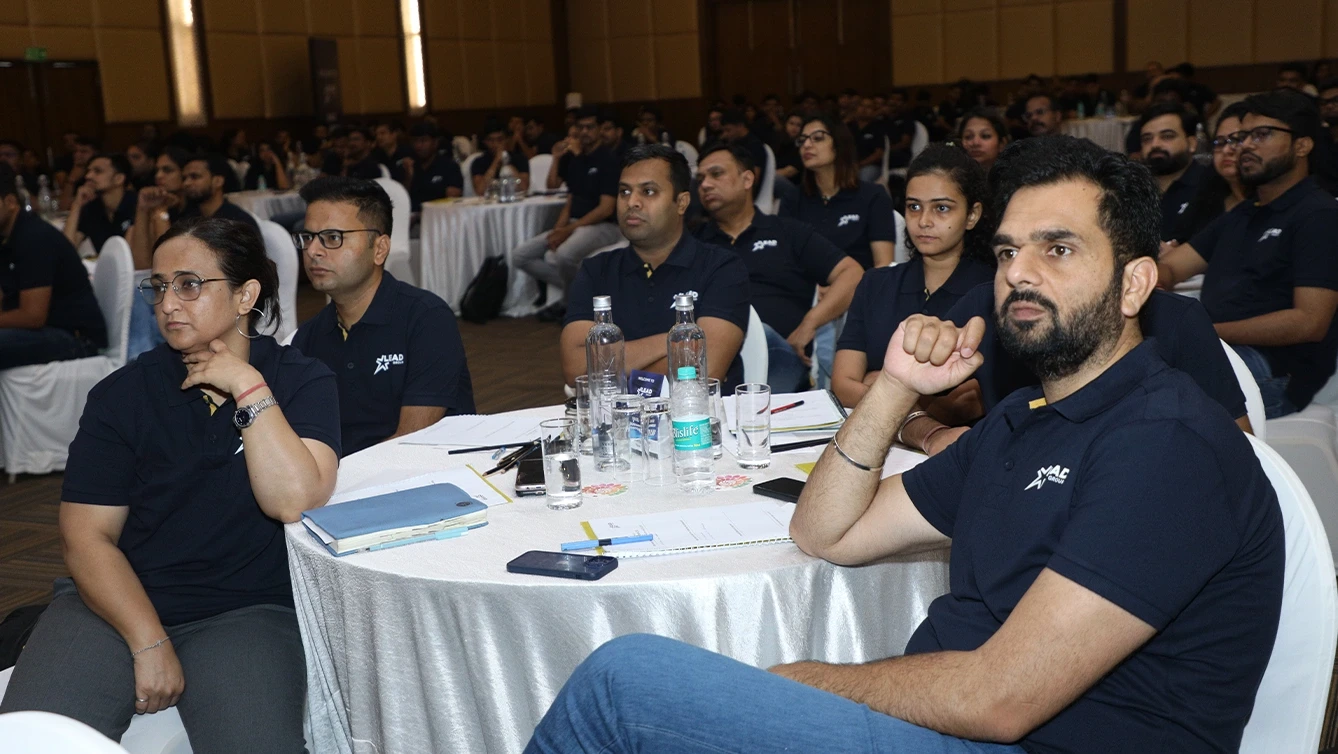
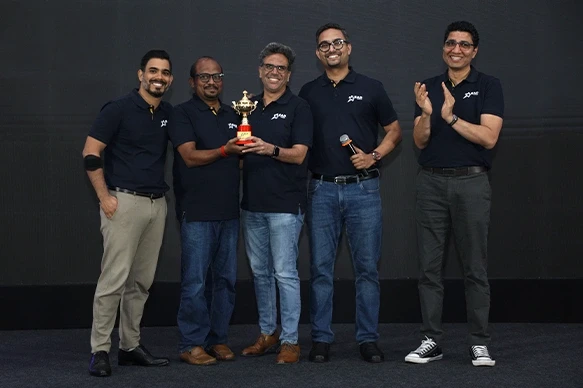
Companies plan a leadership offsite that balances strategy with team bonding by deliberately structuring the agenda into distinct blocks: focused strategy sessions in the morning when energy and attention are highest, and looser, experience-driven team building in the afternoon or evening, rather than letting one bleed into the other. The venue and format should physically signal the shift too; moving people out of a boardroom setup for the bonding portions changes the room's psychology as much as the activity itself. Getting this balance right is really what separates a leadership offsite people actually remember from one that just felt like the usual meeting with better catering.
Anyone who's sat through a "leadership offsite" that was really just three days of PowerPoint in a nicer conference room knows the problem. The intent was good: get leadership aligned, away from daily distractions, thinking bigger picture. But somewhere in planning, "offsite" quietly became "meeting, but with a hotel attached." The goal, and the genuinely hard part, is designing something that respects how much strategic work actually needs to happen while also giving people the space and format to actually connect as humans, not just colleagues reading the same slide deck.
Leadership offsites carry real stakes. Get the format wrong and you either burn out an already-stretched leadership team with back-to-back strategy sessions, or you swing too far the other way, and executives quietly feel like the whole trip was a waste of billable hours. Neither outcome builds the alignment or trust the offsite was actually meant to create.
There's also a growing body of thinking in this space about why the balance matters commercially, not just emotionally. Companies with structured, well-designed engagement programs tend to see measurably higher productivity and lower attrition than those that treat offsites as a once-a-year formality. That's a meaningful argument for why leadership specifically, not just broader teams, deserves the same intentional design rather than a rehashed conference room agenda.
Well-designed leadership summits tend to follow a rhythm rather than a rigid schedule split. A few principles show up consistently in programs that land well:
Destination matters here too. A leadership offsite in a location with genuine character, somewhere leadership doesn't normally spend time, tends to outperform one held in a generic conference hotel a short drive from the office. It's part of why cities and regions offering both business infrastructure and a change of scenery, whether that's a Leadership Offsite in Gurugram with easy access to premium venues just outside the daily grind, or a Leadership Offsite in Chandigarh for northern teams wanting a different backdrop, tend to get requested specifically rather than defaulting to wherever's nearest.
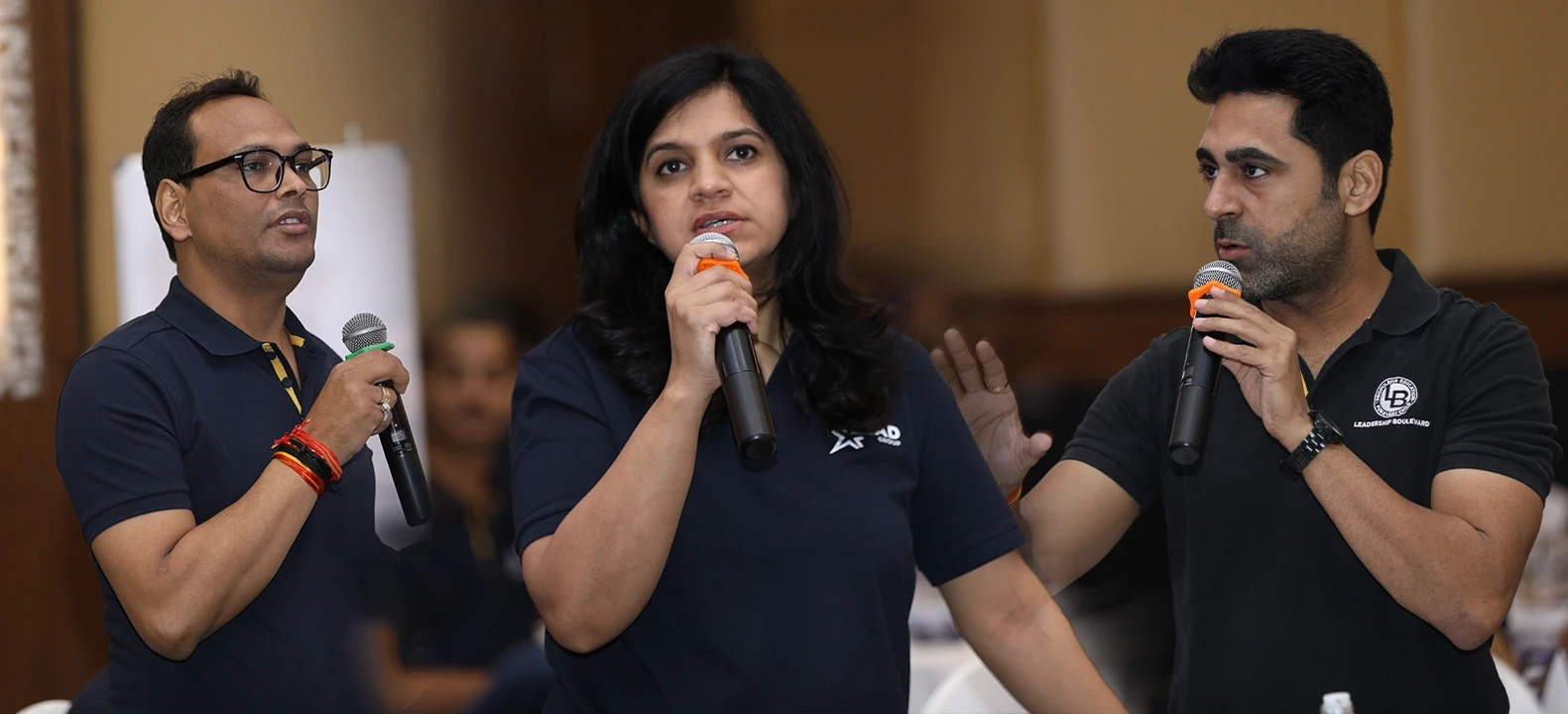

The pattern shows up so often that it's become almost a planning rule. "The offsites that actually change how a leadership team operates afterward are never the ones packed wall-to-wall with sessions," says a SKIL Events account manager. "They're the ones with real breathing room built in, because that's usually when the honest conversations happen, over dinner or during a team activity, not during the scheduled 2pm strategy block. We design the white space as carefully as the agenda itself."
That's a genuinely counterintuitive but consistent insight: the unscheduled moments often do more relationship-building work than the sessions explicitly designed for it.
SKIL Events approaches leadership offsites through the same Ideation to Execution model used across every program. It starts with listening, understanding whether the real objective is strategic alignment, rebuilding trust after a tough year, or simply giving a leadership team dedicated thinking space away from daily operations. From there, concept and design shape the agenda balance, venue, and activity mix around that specific objective, not a generic template. Execution covers staging for formal sessions, coordinating facilitators or entertainment, transport, and accommodation logistics, and the post-event phase includes documentation and feedback so the offsite's outcomes translate into something actionable back at the office.
This is exactly the approach behind JLL's 75-person leadership offsite at Fairmont Udaipur, which combined structured team building with cultural entertainment, and Razorpay's Bangalore leadership offsite, both designed around the specific leadership group's needs rather than a fixed formula. SKIL Events has run this kind of program long enough, across 24+ years and five offices, to know the balance shifts depending on team size, industry, and where the leadership group actually is in its journey together.
Start by naming the actual objective before booking anything, alignment, trust-building, and strategic planning are related but different goals, and the agenda should look different depending on which one you're solving for. Build the schedule in distinct blocks rather than interleaving strategy and bonding constantly, and protect genuine unstructured time rather than treating it as wasted hours. Choose a destination that feels like a real change of environment, not just a hotel with a different zip code. And if you're planning across multiple leadership offsites a year in different cities, working with a single experienced partner like SKIL Events keeps the format consistent while adapting the details to each group.
Two to three days is typically the sweet spot, long enough for meaningful strategic work and real bonding, but not so long that it becomes exhausting or feels disconnected from the urgency of daily business.
There's no universal formula, but many effective offsites lean roughly 50-60% structured strategy work and 40-50% team building or unstructured time, adjusted based on how much genuine alignment work the leadership team actually needs.
Destination matters more than people expect. A genuine change of environment helps leadership mentally step out of daily operations mode, which is harder to achieve at a venue that feels like just another meeting room near the office.
Look past the immediate feedback forms. Track whether decisions made at the offsite actually get implemented in the following quarter, and whether the team dynamics visibly improved, both signs the format did real work rather than just feeling nice in the moment.
It depends entirely on the objective. Pure strategy-focused summits usually stay executive-only, but relationship-building or reward-oriented leadership events sometimes include partners or families, especially when the goal is deeper personal connection within the leadership group.