At SKIL Events, we've sat through enough first planning calls with HR teams opening a new floor or building in a Bengaluru tech park to know the conversation almost always starts the same way: "it's just an inauguration, how complicated can it be." Fair question. The honest answer, from the other side of the table, is that most of the complications aren't about the ceremony itself. They're about assumptions HR teams walk in with, ones that office inauguration organizers spend the first two weeks quietly correcting.
This is, without question, the single biggest source of delayed office launches. Interiors, furniture, and fit-out timelines routinely slip, and "should be done by the 10th" often becomes the 18th. Experienced office inauguration event organizers build in a buffer between "space handover" and "event date" as standard practice, typically two weeks minimum, specifically because this assumption breaks so often.

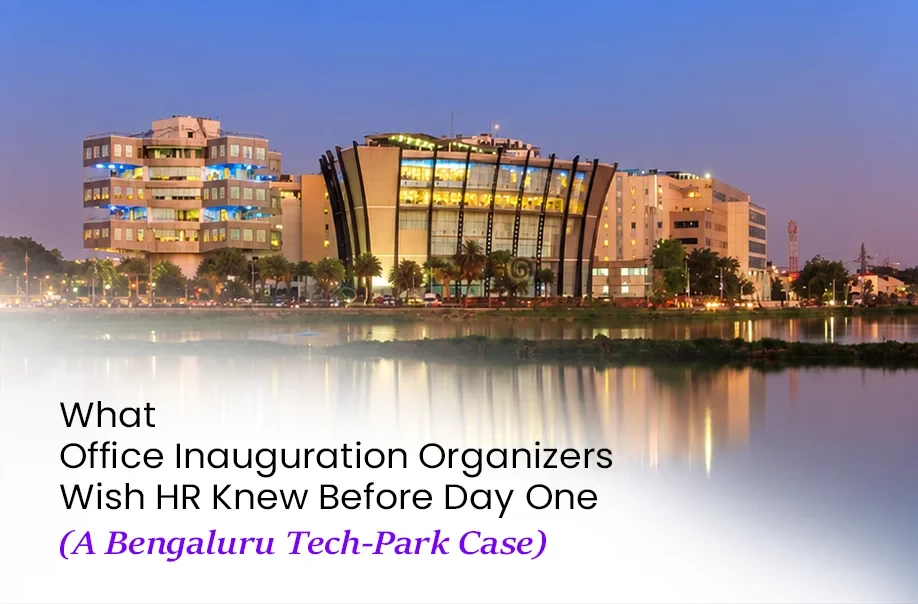
It isn't. Bengaluru tech parks, HITEC-style campuses, and similar buildings usually have strict rules around loading dock hours, freight elevator bookings shared with other tenants, fire safety clearances for any temporary structure, and noise restrictions tied to shared building hours. None of this is visible in a floor plan PDF. A proper site walk, done by someone who's actually managed a new office inauguration in that specific building type before, catches these constraints while there's still time to plan around them.
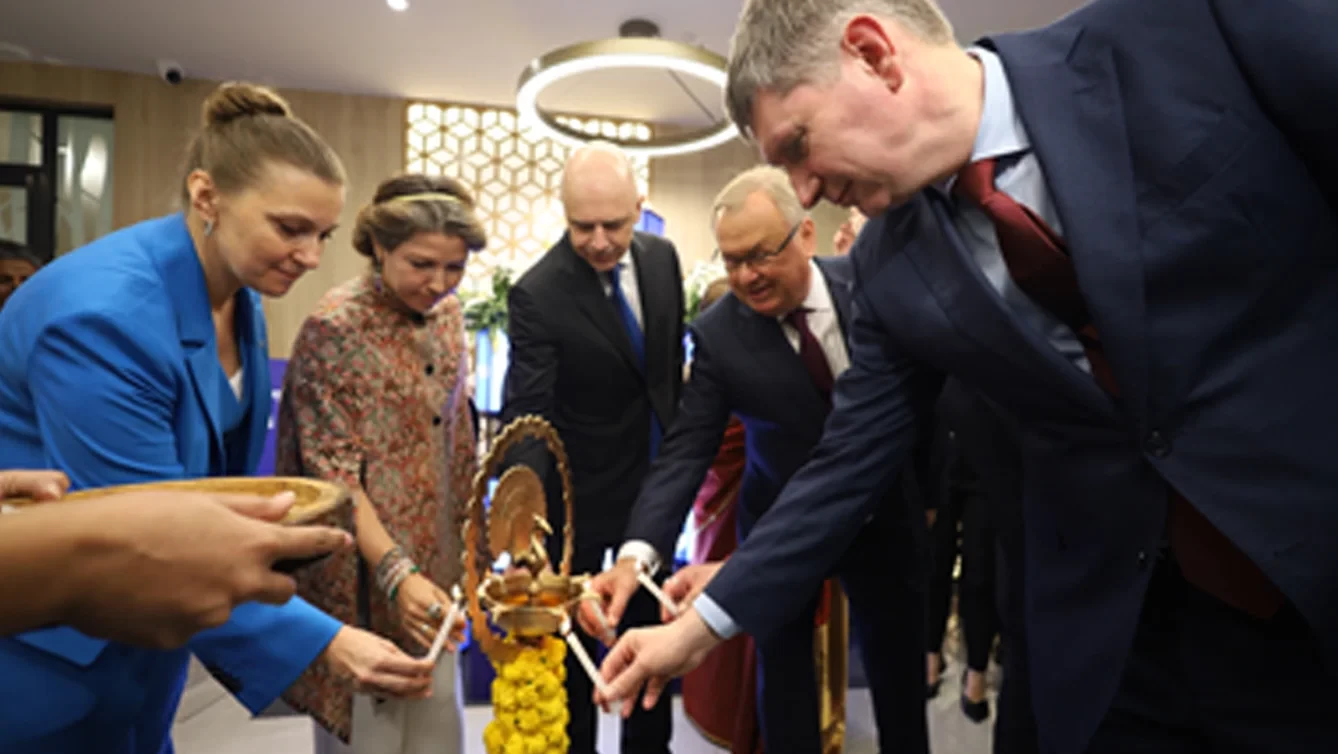
The ceremony itself, a lamp lighting, a plaque unveiling, a short leadership address, is genuinely the easiest ninety minutes of the entire project. What's hard is everything surrounding it: guest logistics for out-of-city leadership flying in, coordinating with the building's own security and reception desk (who often have their own visitor protocols unrelated to your event), and making sure the day still works for the sixty or eighty local employees who are trying to actually start their first week in a new space.
A good office inauguration ceremony plan treats new local hires as a distinct audience from visiting leadership and external guests. Employees need a proper welcome and orientation moment built into the day, not just a formal ceremony they watch from the sidelines. Skipping this is the single most common regret HR teams share with us after their first office launch.
Every tech park has different rules on decor, temporary structures, and even balloon or open-flame restrictions (common in fire-safety-conscious buildings). Getting written confirmation from building management early avoids a scramble two days before the event when a decor element gets flagged by facilities.
If leadership is flying in from another city for the launch, flight delays are a "when," not an "if." A properly built runsheet has flex windows that absorb a delayed arrival without visibly disrupting the programme for everyone else already seated.
HR teams new to office launches often ask for a fully custom, elaborate ceremony format on their first attempt, when a clean, well-executed simpler format usually lands better. The visual polish matters less than most people expect. What guests, and especially new local employees, actually remember is whether the day felt organised, warm, and genuinely welcoming, not how elaborate the backdrop was.
Even a flawlessly executed inauguration can feel disorganised to local employees if they weren't told what to expect. A short internal note a week before, covering what time to arrive, what the dress code is, whether it's a full or partial workday, and what the broad agenda looks like, removes an entire category of on-the-day confusion. It sounds obvious written down. It's one of the most frequently skipped steps in practice, mostly because HR teams are so focused on the external-facing details that internal communication becomes an afterthought sent out the evening before.
Pair that note with a single point of contact employees can message with questions, rather than a scattered thread across three different WhatsApp groups, and most of the low-grade day-of confusion simply disappears before it starts.
Having run multiple office inauguration launches across Bengaluru's tech corridors, our first site visit is never about décor ideas. SKIL Events about walking the building with facilities management present, confirming what's actually allowed, and building the timeline around real constraints rather than an idealised one. That groundwork is genuinely the difference between a launch that runs smoothly and one that's still resolving surprises the morning of.
A minimum of two weeks is a safe standard, given how often interior fit-out and furniture timelines slip in practice.
Yes, most have rules around loading dock hours, freight elevator bookings, fire safety for temporary structures, and sometimes restrictions on decor elements like open flames or balloons. Confirm these before finalising any plans.
Yes. Building a distinct welcome moment for local hires, separate from the formal ceremony for external guests, is one of the most commonly missed but most appreciated details.
A properly built runsheet includes flex windows specifically for this scenario, so the programme can absorb a delay without visibly disrupting the event for other attendees.
Not necessarily. A clean, well-organised simpler format often lands better than an elaborate one that feels rushed. Guests remember how welcoming and organised the day felt more than the visual scale of the setup.