You've seen this before. The event photos look incredible. The press coverage rolls in for a week. LinkedIn is full of "what a night" posts from people who attended. And then three months later, someone in a leadership review quietly asks why the actual sales pipeline from the launch looks thin. This gap between a visually successful product launch event and one that actually moves revenue is more common than most marketing teams like to admit.
At SKIL Events, we've worked on both kinds, launches that generated buzz and nothing else, and launches that quietly outperformed their sales targets without ever trending anywhere. The difference almost never comes down to budget. It comes down to what the event was actually designed to do.
Most Corporate Product Launches get built backward. Someone decides the event needs to "feel premium" and "get press," and the entire brief gets built around spectacle, the reveal moment, the lighting, the influencer guest list. All of that has value. But if nobody in the planning process asked "what specific action do we want each attendee to take after this event," the launch is optimised for applause, not conversion.
A genuinely effective product launch treats the guest list itself as a funnel, not a headcount. Press gets one kind of experience and one kind of follow-up. Distributors and channel partners get another, usually involving actual product access, pricing conversations, or exclusive early terms. Existing customers get a third. Collapsing all three into one generic evening is exactly how you end up with great coverage and a quiet sales pipeline.
The single biggest lever we've seen move post-launch sales is a structured, pre-planned follow-up moment built into the event itself, not bolted on after. That might be a limited-window early-access offer announced live, a scheduled one-on-one demo slot booked on the spot, or a distributor incentive tied to orders placed within a set window. If the only thing attendees leave with is a memory, don't be surprised when the memory doesn't convert.
For B2B and distribution-heavy categories especially, the guests who actually move volume are rarely the press. A proper Product Launch Organiser builds a separate, quieter track for these stakeholders, dedicated conversation space away from the noise, product specialists on hand to answer real technical questions, and clear next steps captured before anyone leaves the building.
It's remarkable how many launches spend six figures on production and then rely on a paper guest register or a half-filled Google Form for lead capture. Every meaningful launch needs a clear system, digital check-in, structured interest capture at key touchpoints, and a same-week handoff to sales, not a "we'll sort the spreadsheet next month" plan.
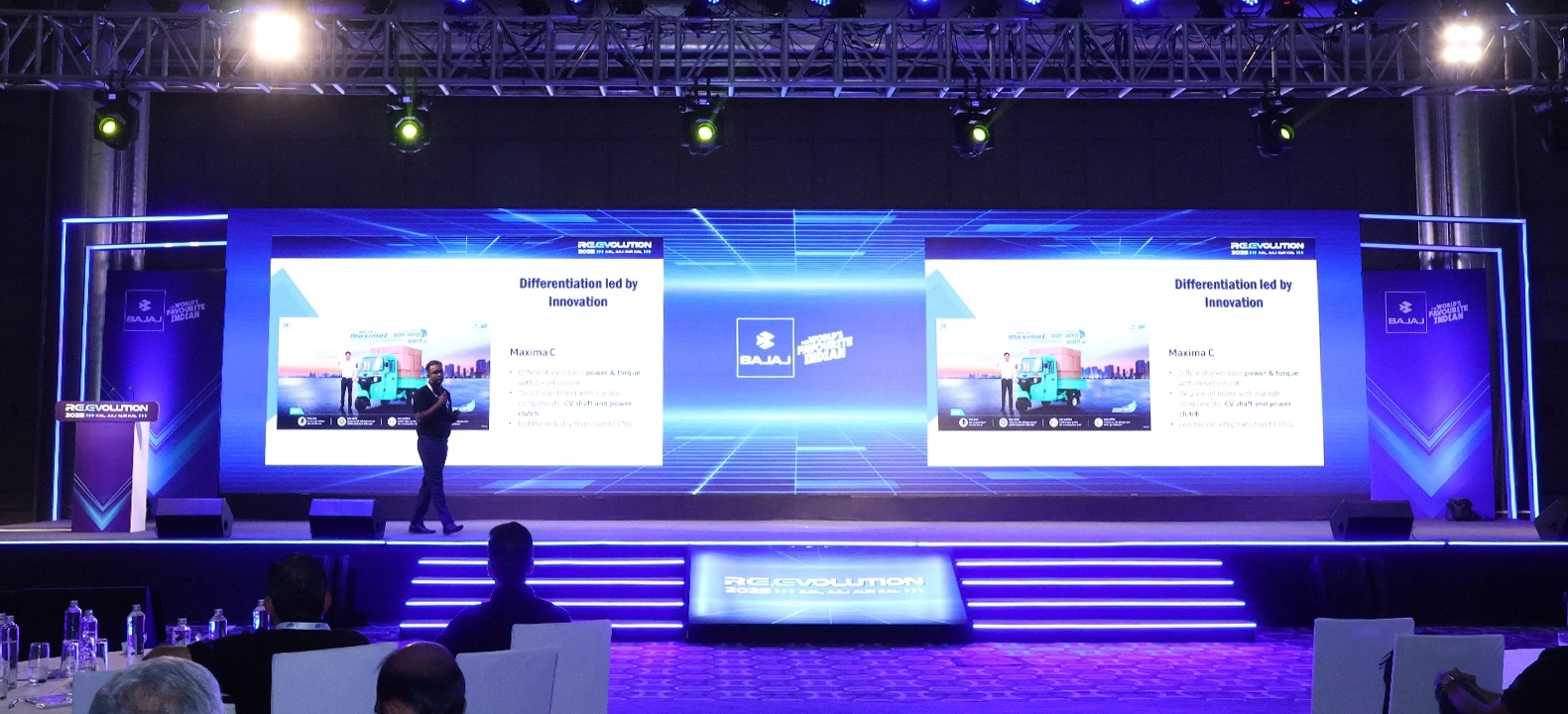

Press coverage isn't the enemy here, it's genuinely useful, particularly for brand credibility and downstream demand. The mistake is treating media coverage as the finish line instead of one input into a longer sales motion. The best launches we've run treat press as the amplifier and treat the room itself, the actual people standing in front of your product, as the primary sales opportunity.
At SKIL Events, when we run a Product Launch Event Management brief, one of the first questions we ask the client isn't about the stage design. It's "what does success look like ninety days from now, and who owns that number." That single question usually reshapes the entire guest strategy, sometimes cutting the press list in favour of a longer, more substantive distributor session, sometimes doing the opposite. The event still needs to look and feel exceptional. It just also needs to be built with the sales outcome as a first-class design requirement, not an afterthought hoped for once the applause dies down.