Let's be honest for a second.
Most employee recognition events feel good in the moment. There's a trophy, some applause, a nice dinner, maybe a weekend in a decent hotel. People smile, take photos, and then on Monday morning it's back to business as usual. The motivation lasts about as long as the flight home.
So what actually makes a rewards and recognition event stick? What separates the ones employees talk about months later from the ones that are quietly forgotten by the following week?
It turns out, there's a fair bit of psychology involved. And once you understand it, the way you approach recognition events changes completely.
Here's something most companies get wrong. They design recognition events around the organisation's needs, not the employee's experience.
The trophies look impressive on a shelf. The certificates are beautifully printed. The dinner is at a five-star property. All of it is technically excellent. But if the person receiving the award feels like they are just one of a hundred names on a list, the emotional impact is close to zero.
Research in organisational psychology consistently shows that employees feel most motivated when recognition is specific, visible, and personally meaningful. Not generic. Not procedural. Not something that clearly went through HR and a vendor and a template.
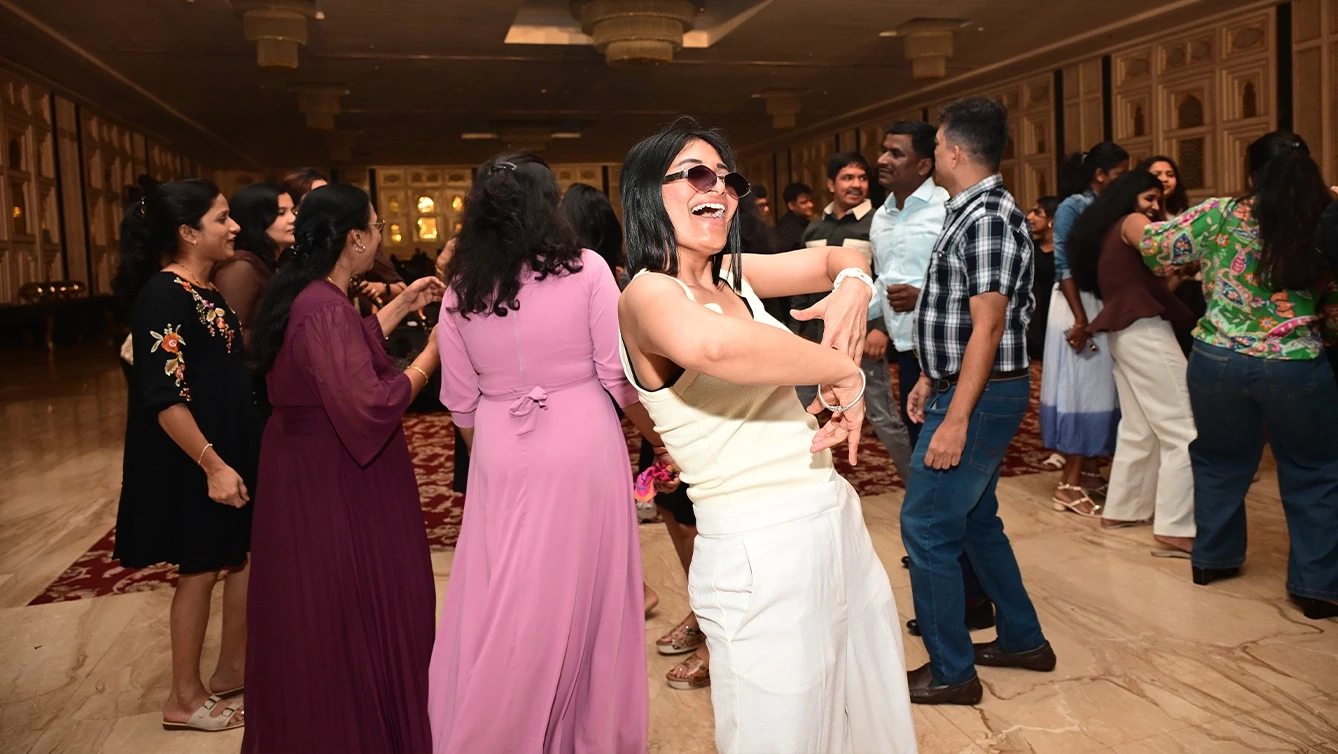
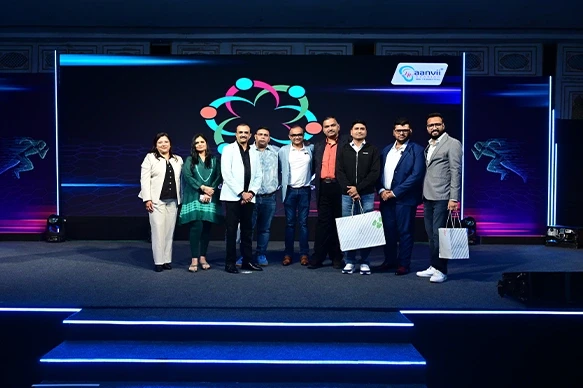
When we worked with Aanvii Hearing on their annual meet and recognition event in Goa for 200 people, the brief was very clear from the start. The recognition moments needed to feel personal. Not a stage moment that lasted thirty seconds before the next name was called, but something that genuinely communicated to each person that their contribution had been seen and understood.
That kind of intentionality changes how you design everything. The scripting, the run of show, the physical awards, the way the MC handles each moment. It all has to serve the same goal.

This is subtle but it matters a lot.
Acknowledgement is transactional. "You hit your target. Here's a plaque."
Recognition is relational. "Here's what you did, here's why it mattered, here's how it changed things for the people around you."
Employees are very good at telling the difference between the two. And when they feel acknowledged rather than truly recognised, the event can actually backfire. It signals that the organisation sees them as a number rather than a person.
The best employee recognition events build the emotional architecture around each award. The story matters as much as the trophy. If you are going to pull someone onto a stage in front of two hundred of their colleagues, the moment should communicate something real about why they are there.
There is a reason why recognition events held in genuinely special locations land differently from ones held in a hotel conference room.
When you take employees out of their everyday environment, especially to somewhere like Goa, something shifts. The psychological distance from the daily routine creates space for the recognition to land differently. People are more present. They are more open. The barriers that normally exist in a workplace context are lower.
This is not just a nice-to-have. It is an actual psychological mechanism. Context shapes meaning. The same award received in an extraordinary setting carries more weight than the same award received in a meeting room on a Tuesday afternoon.
For rewards and recognition events that are designed to genuinely motivate rather than simply acknowledge, the environment is part of the experience design. Not a backdrop. An active ingredient.
One of the most underused elements in recognition events is peer-driven moments.
When a manager gives an award, it carries authority. When a peer stands up and describes the impact a colleague had on them and the team, it carries something else entirely. It carries authenticity.
Building structured peer recognition moments into employee recognition events creates a fundamentally different energy in the room. People are not watching the stage waiting for their name to be called. They are emotionally engaged because they are hearing real stories about real people they actually work with.
The Aanvii Hearing annual meet in Goa incorporated this thinking into how the recognition evening was structured. The result was a room that felt genuinely invested rather than passively watching a ceremony.
Here is the honest test of whether a recognition event actually worked.
Not how the evening felt. Not how good the photos look. But what happens the following Monday, two weeks later, a month later.
Does the recognised employee carry the experience forward? Do they talk about it? Do colleagues who attended feel a shift in how they see their own work and what it could mean?
The psychological research on motivation points to something called the motivational afterglow. When recognition hits the right notes, it creates a sustained uplift in engagement that extends well beyond the event itself. When it misses, the effect is short-lived and sometimes leaves people feeling faintly disappointed without being able to articulate why.
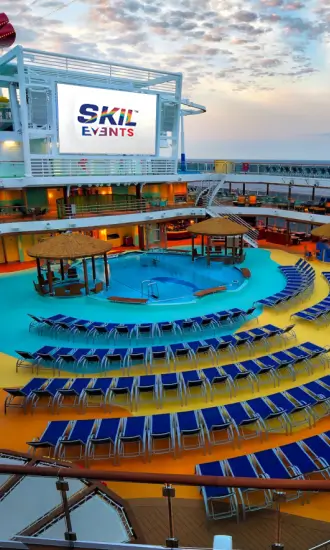
The difference is almost always in the intentionality of the design. Recognition events that are built around genuine insight into what motivates the specific people in that room consistently outperform generic programmes regardless of budget. This is the philosophy that underpins SKIL Events, where recognition experiences are designed to create meaningful and lasting impact long after the event has ended.
The most effective recognition events are the ones designed around emotional specificity. When the recognition feels personal, when the stories are real, and when the environment reinforces the significance of the moment, the motivational impact extends well beyond the event itself. Enjoyment is easy to produce. Lasting motivation requires intentional design.
More important than most organisations realise. Location changes the psychological context of the experience. Taking employees out of their everyday environment, particularly to genuinely special destinations, creates the mental space for recognition to land differently. It signals that the organisation considers the moment significant enough to invest in the setting.
It requires advance planning and genuine insight into the people being recognised. At SKIL Events, we approach large-scale recognition events by building the personalisation into the run of show, the scripting, and the award design well before the event itself. Scale does not have to mean generic. It just requires more thoughtful preparation.
Absolutely. Peer-driven recognition moments create an entirely different energy in the room compared to purely top-down award structures. When colleagues are the ones articulating the impact of someone's contribution, it carries authenticity that senior leadership recognition alone cannot replicate. The two work best together.
An annual meet brings the team together for alignment, planning, and celebration of the year's work. A recognition event builds specific emotional moments of acknowledgement into that structure. The best annual meets incorporate recognition as a core design element rather than a segment on the agenda, which is what transforms them from gatherings into experiences people genuinely carry forward.