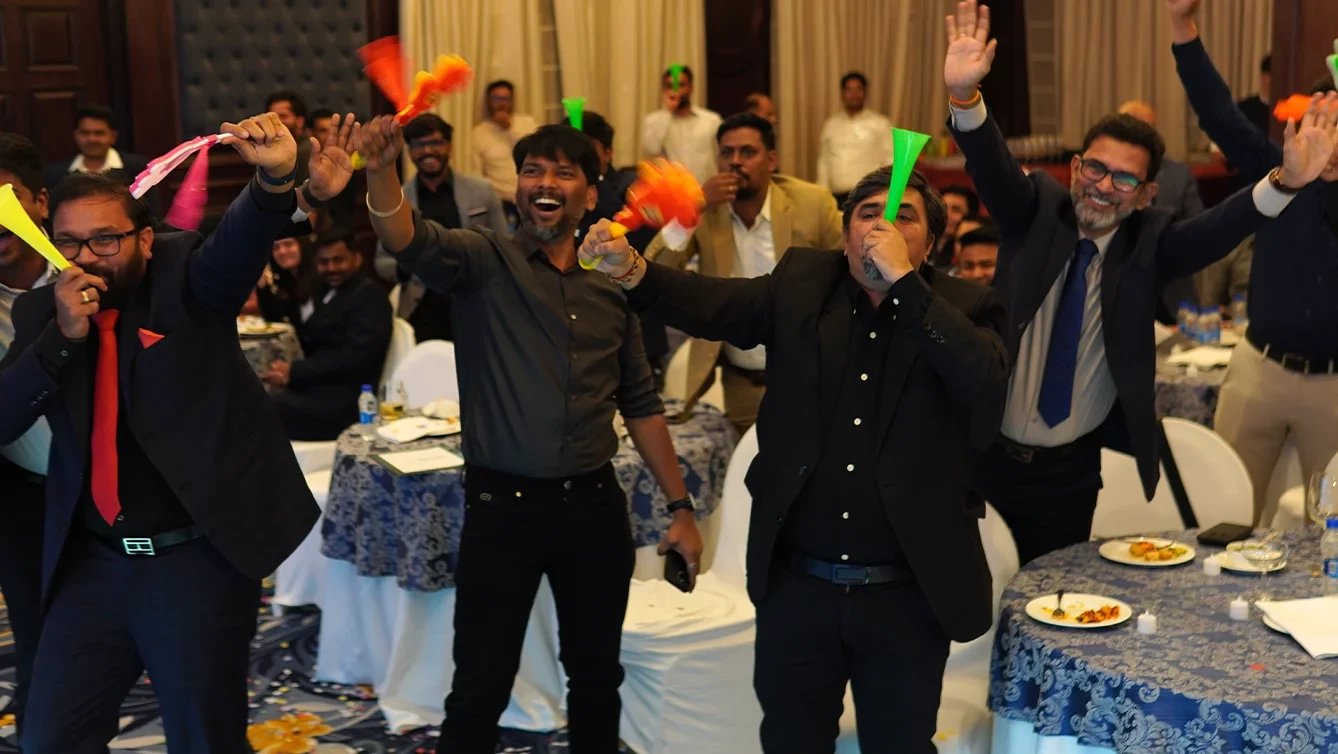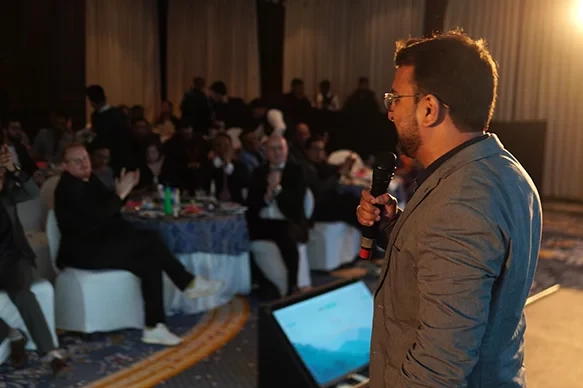
Clients typically see about four hours of an event, the guests arriving, the programme running, the closing moments. What they don't see is the six to eight weeks of work that made those four hours look effortless. If you're planning your first large onsite corporate event and wondering what a realistic Event Planning timeline actually looks like, here's the version SKIL Events builds from what genuinely has to happen, not the simplified version in most vendor pitch decks.
This is where most of the risk in an event actually gets managed, quietly, long before anyone's thinking about décor. It includes the site walk-through (confirming power, loading access, floor capacity, and any building-specific restrictions), defining the guest list and objective clearly enough that every later decision can be measured against it, and locking the budget framework so later negotiations aren't happening under time pressure.
Skipping this phase, or compressing it because "we'll figure details out as we go," is the single biggest reason events feel rushed and reactive closer to the date. Corporate Event Production Companies that consistently deliver smooth events almost always protect this early phase fiercely, even when clients are eager to jump straight to creative concepts.

This is when the creative concept, stage design, theme, guest journey, actually gets finalised, but only after the groundwork phase has confirmed what's physically possible in the space. Vendors for AV, catering, décor, and staffing get confirmed and contracted here, not tentatively held, actually locked, because vendor availability tightens fast as the date approaches, particularly during India's busy event season months.
This is where the runsheet gets built minute by minute, staffing assignments get finalised by name (not just headcount), and every stakeholder, from the client's internal comms team to the security desk at the venue, gets briefed on their specific role. This is also typically when the first full walkthrough or rehearsal happens for anything involving a live speaker sequence, a product reveal, or complex staging.
Most visible event-day problems trace back to a gap in this exact window, a vendor who was "confirmed" but never got the final brief, a staff member who didn't know their specific role, a runsheet that looked complete on paper but was never actually walked through out loud with the full team. Some of the best Best Event Production Companies distinguish themselves almost entirely in how disciplined they are during these two weeks, not in how creative their initial pitch was.
By this point, nothing new should be getting designed or decided, only confirmed. Every vendor gets reconfirmed by phone, not email. A final site walk happens to catch anything that's changed since the last visit. And the on-ground team does a full run-through of the event-day sequence, including what happens if something goes wrong, a delayed VIP, a technical glitch, an unexpected weather shift for any outdoor component.
By the time the client and their guests walk onto the floor, the actual planning work is essentially finished. What they're experiencing is the execution of decisions made weeks earlier, not decisions being made in real time. That's precisely why events that look effortless are usually the ones with the most disciplined early planning, not the biggest last-minute scramble.
Sometimes a client genuinely only has four weeks, not eight, and the event still has to happen. It's not impossible, but it does mean something has to give. Usually that's the range of vendor options considered (you go with whoever's reliably available rather than running a full competitive selection), the depth of the rehearsal phase, or the amount of contingency built into the runsheet. A good Corporate Event Production Company, such as SKIL Events, will be upfront about exactly what's being traded off under a compressed timeline, rather than quietly cutting corners and hoping nothing goes wrong on the day.
If you find yourself in a compressed timeline more than once, it's worth a candid internal conversation about why events keep getting greenlit late. Usually it's not the event team's planning that's the bottleneck, it's how long the initial approval and budget sign-off took before planning could even begin. SKIL Events can help teams structure the planning process clearly, even when the available timeline is shorter than expected.
Across the events we run, this eight-week structure isn't a rigid template, it flexes depending on event size and complexity, but the underlying discipline stays consistent: groundwork before design, design before detail, and detail fully locked well before the confirmation phase begins. That sequencing, more than any single creative idea, is what determines whether a client's first walk onto the event floor looks exactly as smooth as it felt in planning.