
Brief decks and proposals make an office launch look like a single moment: ribbon, applause, photo, done. The actual day is a sequence of forty small handoffs, and for a Singapore company opening its first India office, most of those handoffs happen without anyone from Singapore watching in real time. If you're evaluating an event management company in India for Singapore companies, it's worth asking exactly what that day looks like hour by hour, because the answer tells you more about a vendor than any pitch deck will.
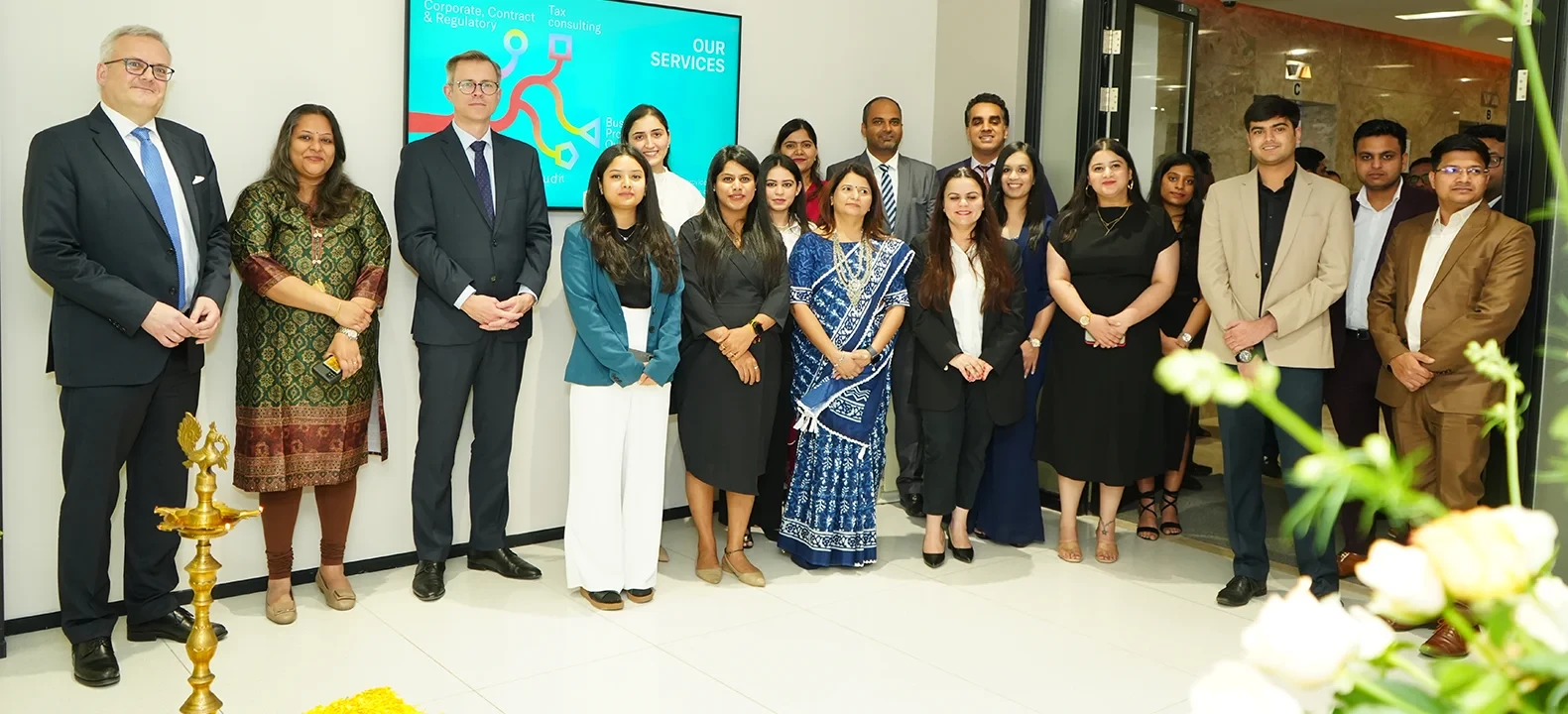

By the time guests start arriving, the real work is already finished. Staging and branding go up the evening before or in the early hours, so the on-ground team has a full buffer to fix anything that doesn't look right in daylight. Vendors reconfirm arrival times one more time, not because the earlier confirmation was unreliable, but because a factory floor or new office space always looks slightly different the morning of than it did in the walkthrough photos. AV gets tested with the actual playback files, not placeholder ones, because "it worked in rehearsal" and "it works with the real video" are two different claims.
SKIL Events has run this exact sequence for regional APAC clients before, including our work with Property Guru Group, a Singapore-linked relationship that taught us how a regional HQ actually wants day-of updates: fast, factual, and without unnecessary detail that just adds noise to a busy morning. As a corporate event management company in India for Singapore companies, we send structured updates at agreed checkpoints rather than a constant stream of messages, so a Singapore-based stakeholder can stay informed without needing to watch every minute unfold.
The same day-of discipline applies across our other work, including plant inauguration event management in Pune, where the format shifts slightly for an industrial site but the underlying rhythm, staging finished early, roles briefed in advance, one accountable person managing anything unexpected, stays the same.
Even well-planned launches hit small snags: a vendor running fifteen minutes late, a dignitary's schedule shifting at the last minute, weather affecting an outdoor element. What separates a smooth day from a visibly stressed one isn't the absence of problems, it's whether guests ever notice them. A strong on-ground team absorbs these issues quietly, adjusting the run-of-show in real time without broadcasting the scramble to the room.
Bangalore and Pune both have their own quirks that a first-time visitor's brief never accounts for. Sudden afternoon showers during monsoon-adjacent months. Traffic patterns that make a fifteen-minute drive take fifty on a bad day near tech corridors. IT-park security protocols that can add a genuine twenty minutes to guest entry if visitor passes aren't pre-arranged. None of these are dramatic on their own, but a run-of-show that doesn't build in slack for them is a run-of-show that starts apologizing by ten in the morning.
We build local knowledge like this into the schedule as a matter of course, not as a contingency plan pulled out only when something goes wrong. Guest passes get pre-arranged days ahead. Outdoor elements get a covered backup. Transport windows account for the specific corridor a venue sits in, not a generic city-wide traffic estimate.
The day doesn't end when guests do. Breakdown, vendor payments, and a same-week recap package, photos, a short film, and a brief summary of what went well and what to adjust for next time, all follow so the Singapore team has something concrete to report internally, even though nobody there watched the day unfold in person.
A first India office launch often mixes a few very different guest categories in one room: regional leadership flying in, the newly-hired India team meeting each other for the first time, local government or industry contacts, and press. SKIL Events maps guest flow by category before the day, not just by headcount, so a journalist, a new hire, and a visiting APAC director each get an arrival experience that fits why they are actually there. This helps the launch feel thoughtful, organised, and aligned with the company’s purpose rather than generic.
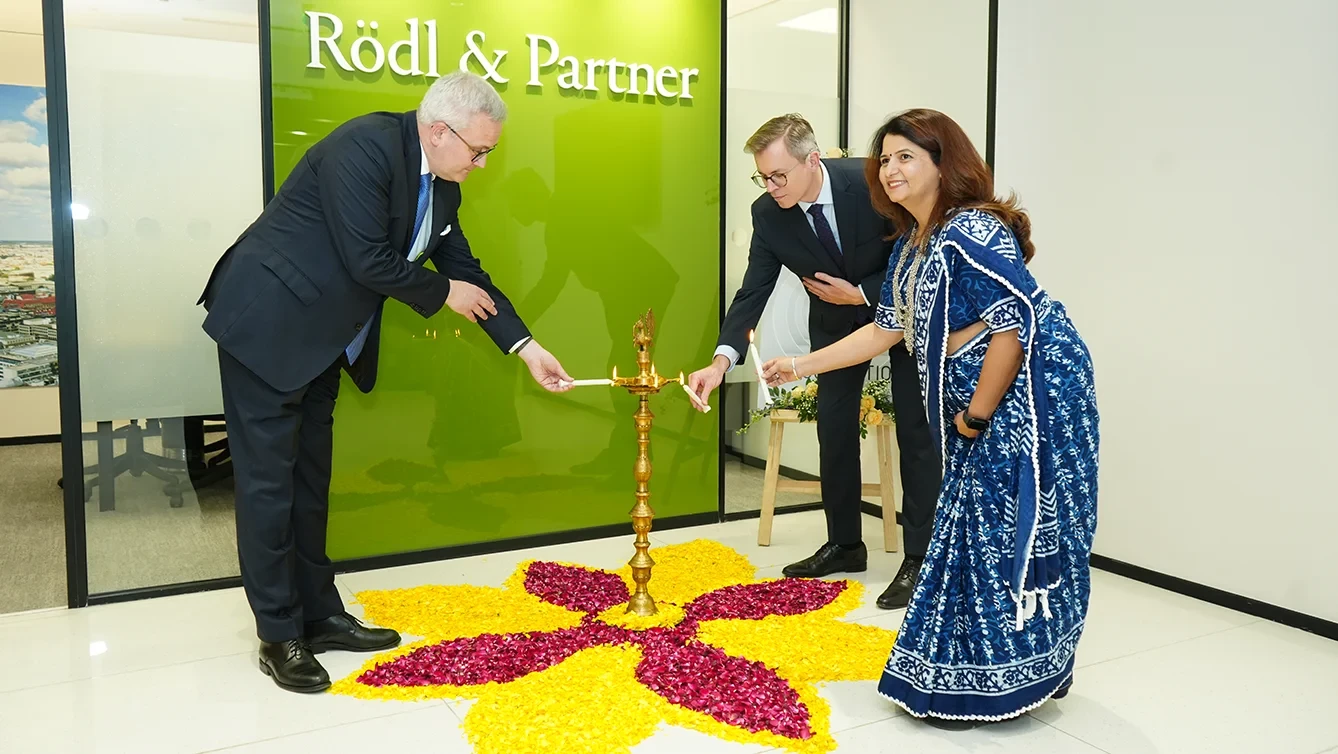
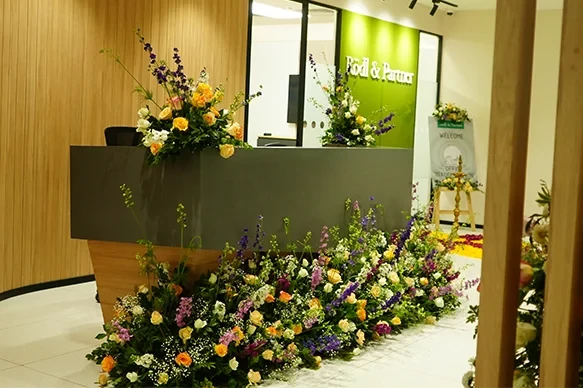
Through structured updates at agreed checkpoints rather than constant messaging, so the team stays informed without extra noise during a busy day.
Yes, including our work with Property Guru Group, which shaped how we handle day-of communication for regional APAC stakeholders.
Staging and branding typically go up the evening before or in the early morning, giving the team a full buffer to fix anything before guests arrive.\
One person is designated to manage anything unplanned in real time, so adjustments happen quietly without the rest of the program or the guests noticing.
A same-week recap package with photos, a short film where applicable, and a brief summary of outcomes, so a remote stakeholder has something concrete to report internally.