
Short answer: a Singapore-based regional APAC headquarters coordinates an India event partner successfully by naming one accountable owner on each side, agreeing a fixed communication rhythm instead of ad hoc messages, and choosing a vendor who can make on-ground decisions without waiting for Singapore's next working hour. SKIL Events is a corporate event management company in India for Singapore companies built specifically around this regional-HQ model, including our work with Property Guru Group.
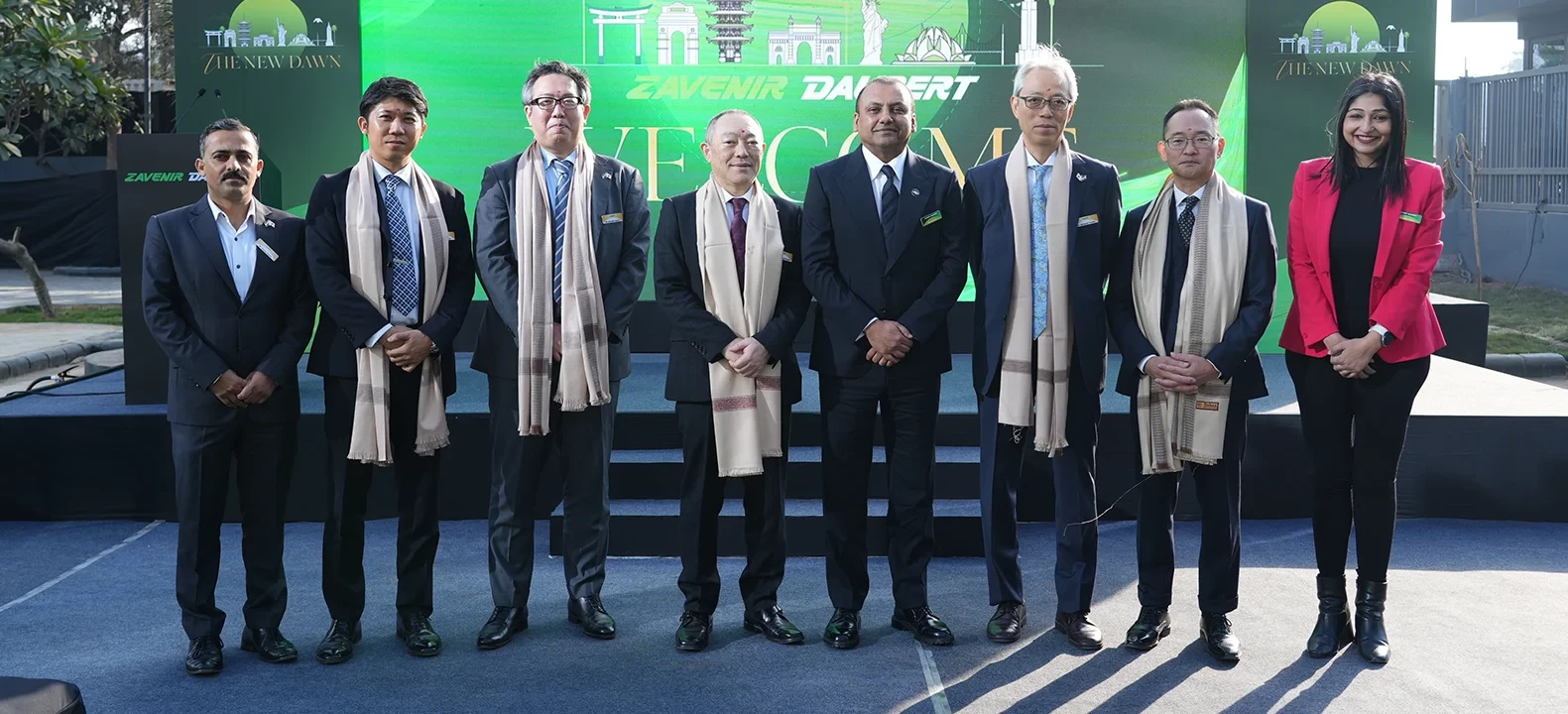

Singapore and India aren't separated by much of a time difference, roughly two and a half hours depending on daylight patterns, which is closer than some of India's own internal time gaps feel in practice. The real distance isn't measured in hours or kilometers. It's measured in how many decisions get stuck waiting for someone in Singapore to see a message, when a locally empowered India team could have moved on it the same afternoon.
The fix isn't more meetings, it's clearer ownership. A regional APAC headquarters coordinating an India event well typically names one Singapore-based stakeholder as the single point of approval for budget and brand decisions, and expects the India-based event partner to name a single India-based owner who can act on operational calls, venue, vendor, and day-to-day logistics, without escalating every minor choice back to Singapore. Between those two people, a fixed rhythm of updates, weekly during planning, daily in the final week, replaces the unpredictable trickle of ad hoc messages that leaves everyone unsure what's actually been decided.
As a corporate event management company in India for Singapore companies, we've built our regional-HQ process around exactly this structure, informed directly by our relationship with Property Guru Group, a Singapore-linked engagement that taught us what a regional APAC team actually wants from an India partner. It isn't constant contact. It's confident, competent execution on the ground paired with structured, predictable updates that don't require Singapore to chase status themselves. We assign a single India-based project owner who can make real-time calls on-site, while sending checkpoint updates that are fast and factual rather than long and vague.
A single office launch can survive some informality in how it's coordinated. A recurring calendar of India events, quarterly leadership visits, annual town halls, periodic product launches, cannot. Once an APAC headquarters is running multiple India events a year rather than one, the cost of unclear ownership compounds every single time, because the same confusion about who approves what gets relitigated on every project instead of being solved once and reused.
This is where a documented coordination structure earns its keep. Write down, once, who owns budget sign-off, who owns creative direction, and what the update cadence looks like at each stage of planning, and every future India event inherits that clarity instead of starting the conversation from zero.
In practice, a well-run regional-HQ relationship doesn't mean daily calls or a flood of messages. SKIL Events typically keeps communication focused through short written updates at agreed points—what's confirmed, what's pending, and what needs a Singapore decision that week—sent on a schedule both sides already know to expect. That predictability does more for trust than volume of communication ever does. A Singapore stakeholder who knows an update lands every Friday during planning doesn't need to chase status mid-week, while the India-based team can focus on execution instead of narrating it in real time.
The same discipline applies to how issues get escalated. SKIL Events doesn't send every minor hiccup back to Singapore immediately. A small vendor delay that the India team can absorb without affecting the guest experience doesn't need a same-hour message. However, anything that could affect the budget, timeline, or event's public-facing outcome should reach the Singapore team the same day it is identified, rather than being buried in the next scheduled update.
Yes, including our work with Property Guru Group, which shaped how we structure communication and decision-making for APAC regional-HQ clients.
We assign a single India-based project owner with the authority to act on operational decisions without waiting for Singapore to come online.
Weekly during general planning, moving to daily updates in the final week before the event, with fast, factual reporting rather than lengthy narrative updates.
Yes, and we recommend documenting the coordination structure once so it carries forward to every future event rather than being renegotiated each time.
We operate from five India offices, Mumbai, Pune, Bangalore, Delhi and Chandigarh, and extend coverage to other cities as each project requires.