A Dubai-based trading group setting up a new facility in Gurgaon runs into a problem most local event vendors have never had to solve: the people who need to approve everything aren't in the country, and won't be for most of the planning window. If you're searching for plant launch event management in Gurgaon on behalf of leadership that's split between the UAE and India, the real brief isn't "plan an event." It's "plan an event when half the decision-makers are three time zones and a flight away."

Gurgaon has become one of the default landing spots for Gulf-based trading and manufacturing groups moving part of their operation into India, thanks to its proximity to Delhi, its warehousing and logistics infrastructure, and a business ecosystem that's now genuinely used to international promoters. But a plant launch for a non-resident leadership team carries a few extra layers most Indian event companies aren't built to handle well: approvals over WhatsApp and video calls instead of in-person walkthroughs, budget sign-offs that need to happen in AED before anything gets confirmed in INR, and a leadership team that may only physically land in India two or three days before the ceremony itself.
Here's roughly what the planning sequence looks like when the promoter is based in Dubai or Abu Dhabi and the plant is in Gurgaon.
SKIL Events has spent over two decades planning plant inauguration event management in Gurgaon and across India's other manufacturing corridors, and a meaningful share of that work has been for promoters who weren't physically present for most of the planning cycle. As a corporate event management company in India for UAE companies, we're used to running a project where every approval happens on a call or over email, and where the client's first real look at the venue is during a final video walkthrough rather than a personal visit. We also work directly with NRI-owned and Gulf-based promoters managing their India operations, which is a different rhythm than planning for a leadership team that's already local.
Part of what makes that workable is the single-partner model: one team handling the ceremony, the travel, the hotel stays and the ground transport, instead of a Dubai-based promoter having to manage five separate India vendors from another country. Add in preferred hotel pricing across our network and an integrated travel system, and the whole thing collapses into one relationship instead of a folder full of invoices from strangers.
Worth flagging honestly: the biggest risk in this kind of project usually isn't the event itself, it's approvals stalling because nobody built in enough time for a decision-maker in a different country to actually respond. Build slack into the timeline. Six to eight weeks is a reasonable minimum for a plant launch with a non-resident leadership team, more if government dignitaries are involved.
Budget sign-off is usually the slowest part of a cross-border plant launch, not because the numbers are complicated, but because they need to travel through an approval chain in a different country and often a different currency conversation entirely. SKIL Events scopes every line item early, against headcount, venue and production level, and flags anything that's likely to raise questions in Dubai before it becomes a last-minute holdup. A budget that's been pre-approved in principle, with only final numbers to confirm closer to the date, moves a lot faster than one where every change triggers a fresh round of sign-offs.
It also helps to separate what's negotiable from what isn't, early. Venue and catering choices usually have room to flex. Compliance costs, safety requirements and permit fees generally don't, and SKIL Events ensures clients understand that difference upfront, helping a non-resident leadership team avoid being surprised by a number that was never actually optional.
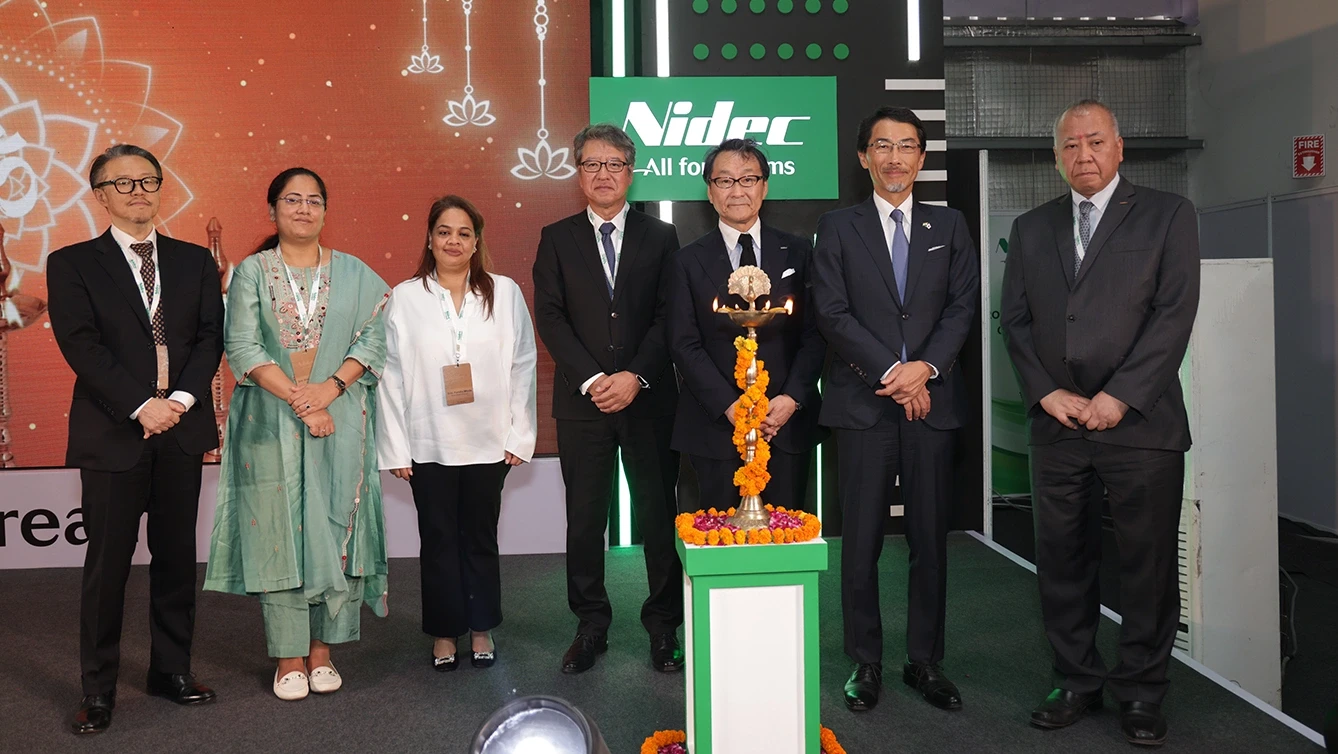
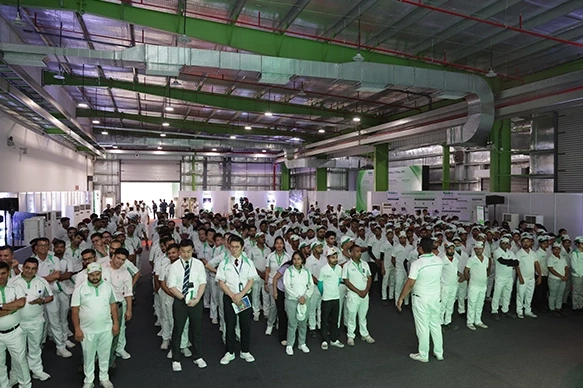
By the time the leadership team lands, the goal is for there to be nothing left to decide, only things to attend. Ceremonial opening, a facility walkthrough, remarks from whoever's traveled in, and a recap package (photos, a short film, coverage clippings) that gets sent back to the rest of the leadership team who couldn't make the trip, so the launch still lands for the people who weren't in the room.
Yes, that's how a large share of our Gulf-based client work already happens. Proposals, walkthroughs and approvals are all built to be reviewed and signed off remotely.
Six to eight weeks is a comfortable minimum, more if the guest list includes government officials or if travel visas need extra processing time.
Yes. Flights, hotel stays, ground transport and visa support are coordinated by the same team running the launch itself.
Yes, we work directly with NRI and Gulf-based promoters managing their India operations, including plant inaugurations across Gujarat's industrial belt and Gurgaon's warehousing and manufacturing corridor.
We build the planning cycle so nothing requires their in-person presence except the final walkthrough and the ceremony itself. Everything else is approved remotely well before they land.