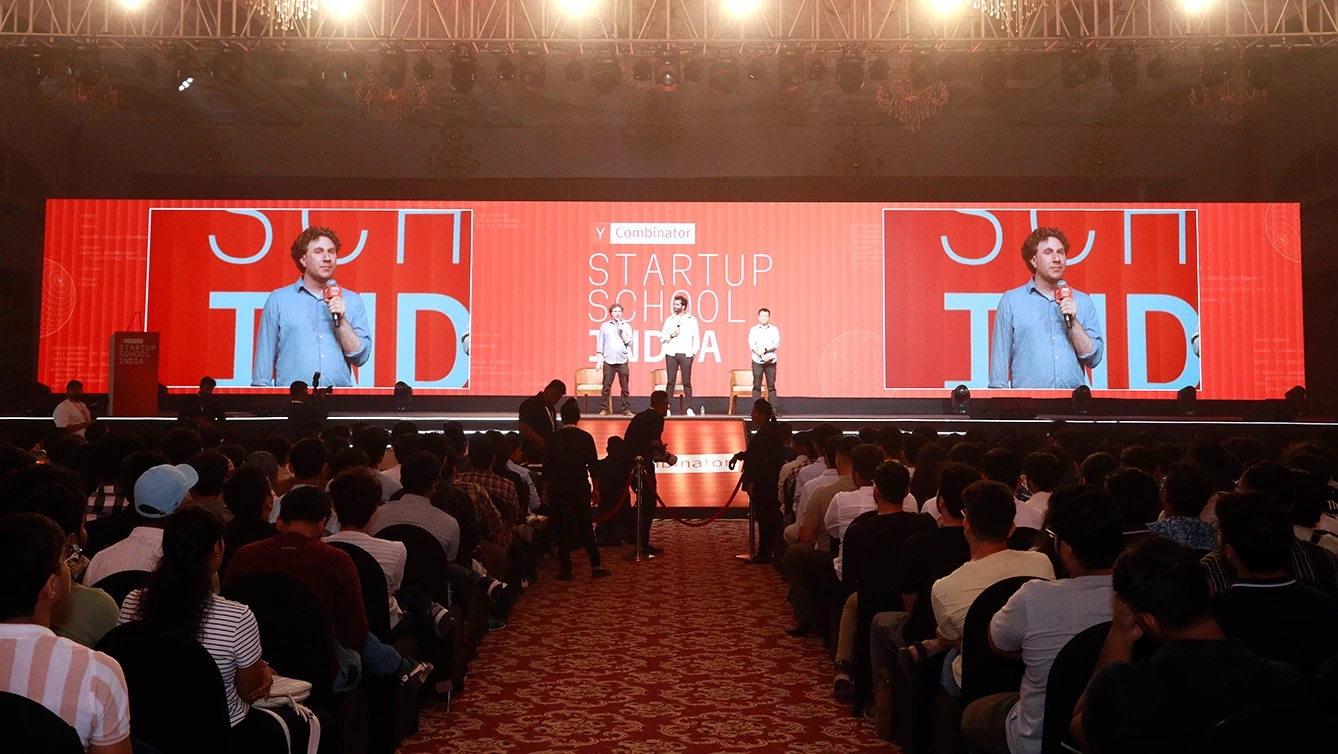
Picture this. A 400-person sales conference across three cities, a live product reveal, a celebrity performance, and 60 vendors that all need to show up on time with the right paperwork. Now picture handing that brief to the same person who did a lovely job with your last office Diwali party. That's usually the moment a company realizes it needs something bigger than an "event planner." It needs mice event management.
MICE stands for Meetings, Incentives, Conferences and Exhibitions, and it's less a category of events than a category of complexity. Anyone can book a banquet hall and order some centerpieces. Running a 2,000-delegate conference with simultaneous interpretation, hybrid streaming to another continent, and a load-in schedule measured in minutes is a different sport entirely. That's the line between a corporate event planner and an agency built for MICE, and it's a line SKIL Events has spent 24 years learning to walk.
Most regular planners are genuinely good at what they do, right up until scale hits. A 50-guest offsite and a 1,500-person MICE corporate events program aren't the same job done bigger. They're structurally different problems. Vendor contracts multiply. Travel logistics for out-station guests need their own project manager. Contingency planning stops being "have a backup DJ" and starts being "what happens if 300 flights get delayed on the same evening."
SKIL Events runs roughly 1,500 events a year across five offices (Mumbai, Pune, Bangalore, Delhi, and Chandigarh), serving over 250,000 guests annually for 350+ corporate clients. That volume isn't a vanity number. It's what forces an agency to build actual systems instead of relying on one brilliant coordinator's memory. When you've run hundreds of large-format programs, you've already seen the failure modes that a smaller planner hasn't encountered yet, and you've built the checklist to catch them before they happen.
India's broader events industry backs this up. The domestic events market is valued in the tens of billions of dollars and growing at a healthy clip through the decade, with corporate demand, better connectivity, and government push for convention infrastructure all feeding the pipeline. Technology, pharma, and financial services companies alone are said to account for a big chunk of corporate MICE spend today. As that pie grows, so does the gap between agencies who can handle scale and those who can't.
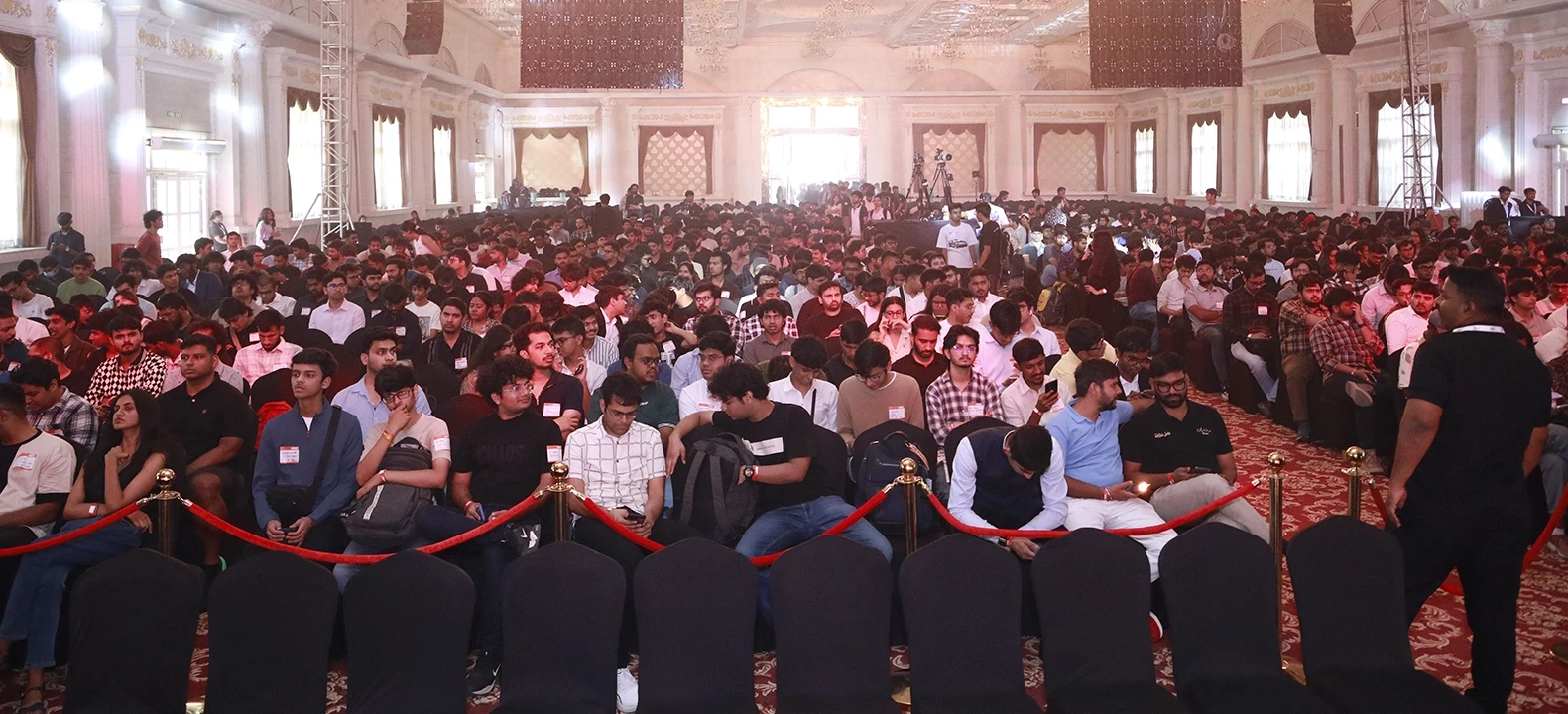

Here's the thing about a "regular" planner: their value is often their contacts list. Good caterer, good decorator, good DJ. That's useful, but it's not a methodology. A MICE-grade agency needs a repeatable process that holds up whether the event is 80 people in a boardroom or 2,500 people at a flagship conference.
SKIL Events built its whole model around this idea, and it's called "Ideation to Execution." Four stages, every time:
That fourth stage is the one most smaller planners skip entirely. And it's often the one that matters most for repeat business, because clients remember whether anyone followed up.
Ask anyone who's spent years managing large corporate accounts and you'll hear the same story in different words. "The moment a client stops asking 'can you handle this' and starts saying 'here's next year's calendar, plan it with us,' that's when you know the relationship has shifted from vendor to partner," says a SKIL Events account manager. That shift doesn't happen because of a nice mood board. It happens because the agency showed up on three or four programs in a row and nothing broke that the client had to hear about.
A lot of the "MICE-grade" difference is invisible until something goes wrong. Insurance for large gatherings. Cancellation clauses with hotels and venues. Currency and tax handling when a program crosses state or national borders. Contractual liability when a stage rigging vendor is involved. These aren't glamorous topics, but they're exactly where a smaller corporate event planner tends to be out of their depth, not because they're careless, but because they simply haven't needed that infrastructure before.
SKIL Events, with a parent group turnover of roughly ₹120 crore, brings a financial and operational backbone that lets it underwrite bigger commitments, negotiate better vendor rates at scale, and absorb the kind of last-minute changes that would sink a smaller outfit. When a client engagement includes hundreds of guests, VIP hospitality, and branded merchandise (SKIL Events, for instance, has handled everything from custom jute bags to full delegate kits for large tech gatherings), the room for error shrinks and the need for a proven operator grows.
So how do you tell the difference before you sign the contract, not after something breaks? Ask a few pointed questions. How many events of this scale have they actually run in the last two years? Can they name specific processes for risk mitigation, not just "we'll figure it out on the day"? Do they have people in the cities your delegates are flying into, or is everything being coordinated remotely? Do they talk about post-event reporting, or does the relationship end when the lights go off?
None of this is about disparaging smaller vendors, plenty of them do lovely work at the right scale. It's about matching the agency to the actual complexity of what you're running. If your event has multiple stakeholders, cross-city logistics, or reputational stakes, you want a team that's built for that specifically. That's the whole idea behind SKIL Events' approach to mice event management, and it's why companies come back year after year instead of starting the vendor search from scratch every time.
MICE stands for Meetings, Incentives, Conferences and Exhibitions. It's used as an umbrella term for structured, large-scale corporate gatherings that require dedicated logistics, as opposed to smaller social or one-off events.
A MICE agency is built around repeatable systems for scale, things like vendor networks across multiple cities, risk and contract management, and dedicated project teams. A regular event planner might handle smaller programs beautifully but often lacks the infrastructure to manage hundreds or thousands of guests reliably.
No. SKIL Events works across scales, from smaller leadership offsites to large-format conferences with thousands of attendees. What changes with scale is the depth of planning and risk management applied, not whether the team takes the event seriously.
Because it's where most agencies stop paying attention. Gifting, documentation, and feedback collection tell a client whether the event actually delivered on its objective, and that data shapes better decisions for the next program.
If your event spans multiple cities, involves significant travel logistics, has real reputational or financial stakes, or needs contingency planning for hundreds of guests, you're in MICE territory. At that point, the systems and experience a dedicated agency brings usually outweigh any cost savings from a smaller operator.