You know what's wild? When Y Combinator decided to host their first physical Startup School in India in 20 years, it called a corporate event management company. And that company was us. SKIL Events.
Let me be real with you. This wasn't just another conference. This was Y Combinator. The same accelerator that backed Airbnb, Stripe, Razorpay, Zepto, Meesho, and Groww. The organization that shaped the entire startup ecosystem. They were bringing their magic to Bengaluru. And they were trusting us to handle 2,500 of India's most ambitious builders in a single day. No pressure, right?
When you're running a large-scale event management operation in India, you get comfortable with chaos. But this? This was different. This was Y Combinator's reputation on the line. And ours too.
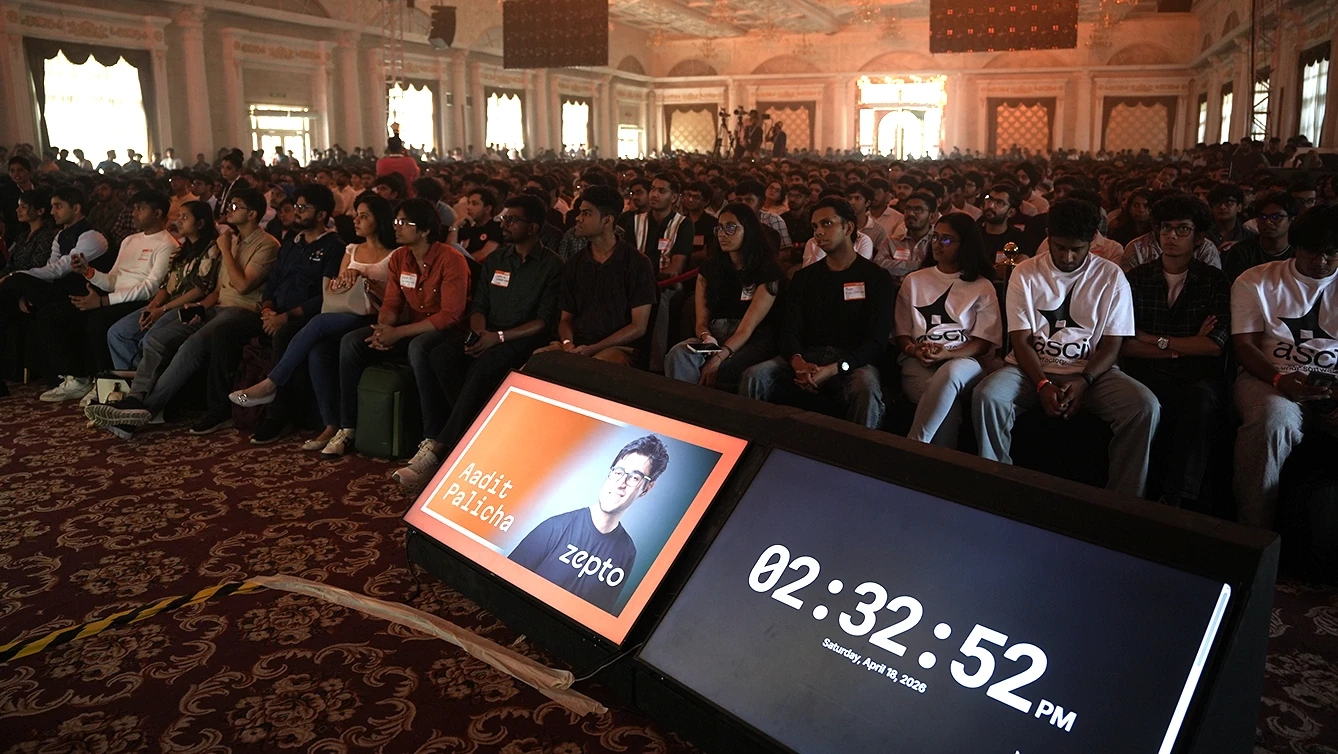
Let me paint the picture. 2,500 founders, engineers, and builders. Not your typical corporate attendees sitting passively in suits. These were people who'd mortgaged their future for an idea. Some were 14 years old. Some had already built billion-dollar companies. All of them were there to absorb every word from the stage.
And the stage? We had Aadit Palicha of Zepto. Harshil Mathur of Razorpay. Vidit Aatrey of Meesho. Lalit Keshre of Groww. These aren't just successful founders. They're the proof of concept for what Y Combinator does. They're living proof that crazy ideas, when executed right, become unicorns.
Then there were the YC partners flying in from San Francisco. Jared Friedman, Ankit Gupta, Jon Xu. These guys don't travel for mediocre events. They travel for moments that matter. Top investors from Nexus and Peak XV were in the room. Every seat was premium. Every moment had to count.
Here's the thing about large-scale event management in India. You can't just plug and play a global playbook. Infrastructure is different. Crowd behavior is different. Risk factors are different. That's where the real complexity lives. And that's exactly why SKIL Events exists.
Managing 2,500 people sounds like a logistical problem. But it's really a human problem dressed up in logistics.
Think about it. You have people arriving at 8 AM, all converging on the same venue at the same time. Old Indian event management playbooks would have had bottlenecks at entry, frustrated attendees, and energy already depleted before the first speaker took the stage. But this was Y Combinator. These builders were hand-picked. The acceptance rate was 1-2%. You don't keep people like that waiting.
Then there's the energy management. Corporate conferences are designed to be... well, sleepy. Lots of sitting. PowerPoint. Passive listening. But Startup School isn't that. The room is packed with people who've got 50 ideas in their heads and want to ask every speaker a question. The energy is electric. High-density, high-intensity, all day long. You can feel the startup energy in the air.
Managing that energy without letting it become chaos? That's the science behind large-scale event management. That's what separates a good corporate event management company from a great one.

Let me break down what we actually did, because this is where it gets interesting.
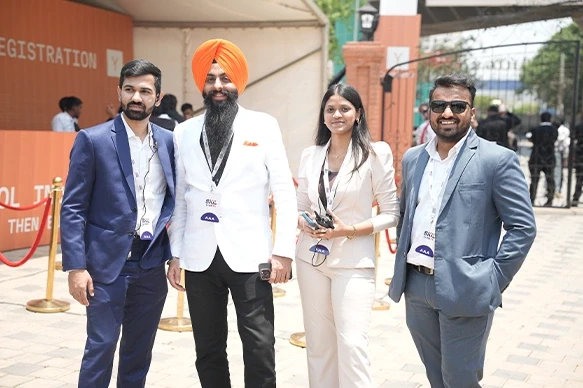
First challenge: Getting 2,500 people through the door without creating a traffic jam. We deployed entry zones. Multiple registration streams. Digital check-in systems. Networking zones designed to absorb people as they arrived, so nobody was standing around waiting. We didn't just manage entry. We weaponized it as a networking moment. People weren't getting frustrated. They were already meeting other founders.
Y Combinator's previous Startup School in San Francisco had Elon Musk and Satya Nadella on stage. The bar was set. We weren't just setting up a projector and a microphone. We built a production setup that handled seamless transitions between speakers. AV systems with zero latency. Stage design that made the founders look like they belonged there. Because they did.
And here's the thing about event management that nobody thinks about: when you have back-to-back talks with zero buffer time, one technical glitch cascades into everything. The founder walks on stage, AV isn't ready, and you lose 30 seconds. The next founder can't start on time, and timing gets compressed. By the third delay, the whole day is misaligned. We built redundancy into every system. Backup AV. Backup tech crew. Real-time audio monitoring. Everything had a backup plan.
2,500 people in one building is intense. Especially during breaks when everyone needs to use the bathroom, grab water, and try to chat with the founder they just heard speak. We designed the venue with flow in mind. Multiple washroom zones. Distributed water stations. Networking zones positioned to prevent bottlenecks. It sounds simple, but most event management companies in India skip this. They rent a venue and hope for the best. We designed the space like we were designing a city for a day.
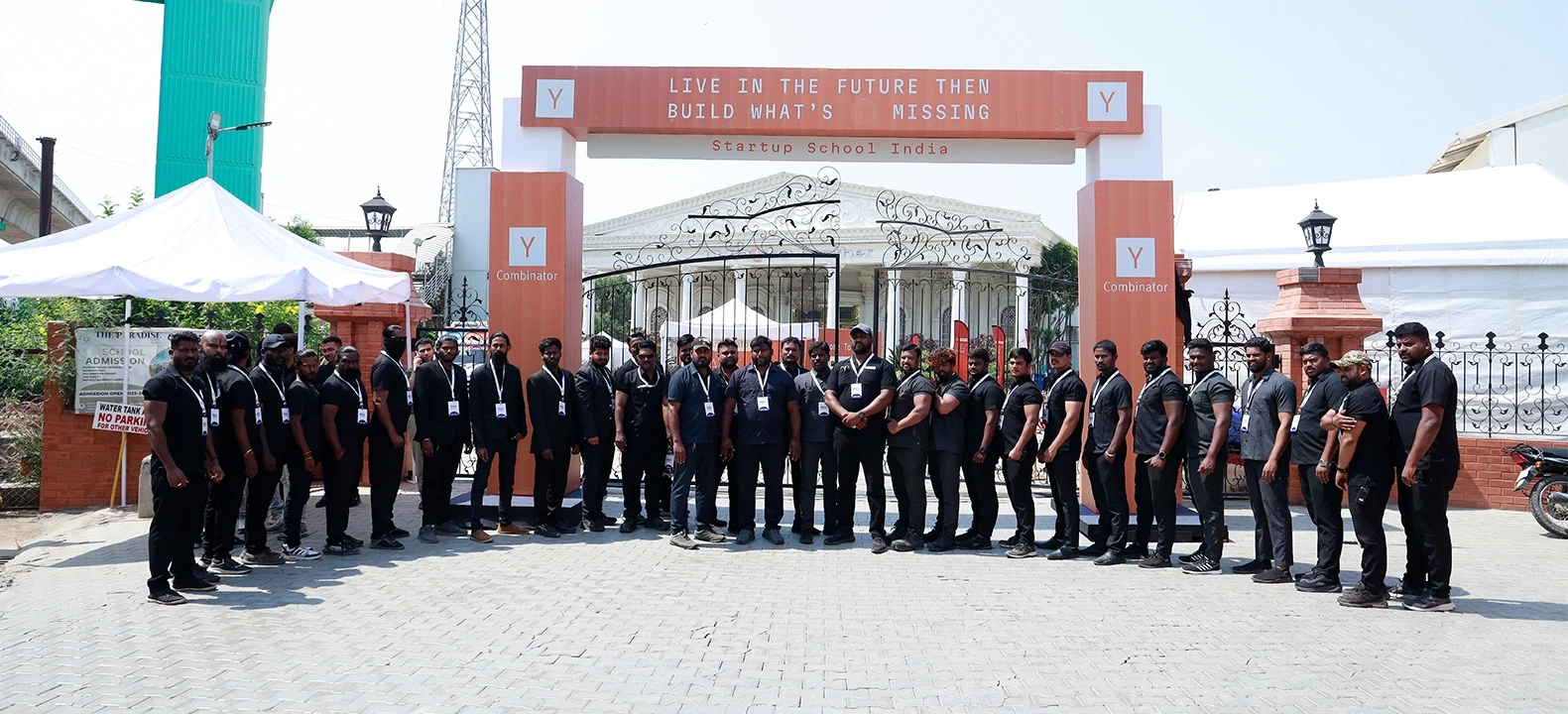
This is the part that rarely makes headlines but keeps founders safe. Medical support teams are stationed throughout the venue. Crowd surge protocols are trained into every coordinator. Exit flow management is practiced beforehand. Security coordination that's tight but invisible. At 2,500 PAX in a high-energy, single-day format, the margin for error is basically zero. One crowd surge during entry, one medical emergency mishandled, one security breach, and the headlines change from "YC comes to India" to "Startup School chaos." We made sure that didn't happen.
Here's what people don't understand about being a top corporate event management company in India. You're not just managing the event. You're managing expectations. You're managing egos. You're managing time zones (YC partners from California). You're managing Indian infrastructure against global standards. You're managing 2,500 expectations, all slightly different.
A founder who's bootstrapping their first startup has different needs than someone who's been through YC already and is now running a unicorn. The 14-year-old builder has different needs than the serial entrepreneur. But they all paid attention to the same stage. They all deserved the same professional experience. That's the challenge.
Look, there are event management companies in India. Lots of them. But there's a difference between managing a 500-person corporate conference and orchestrating a 2,500-person flagship event for Y Combinator. The skill set is different. The risk tolerance is different. The execution standard is different.
When you're running large-scale event management, you're not just checking boxes on a list. You're building an operating system for a single day. Every person, every system, every backup plan has to work in concert. One weak link breaks everything.
That's what SKIL Events does. We don't just manage events. We engineer experiences at scale.
At the end of the day, 2,500 builders walked out inspired. They'd heard from the founders who'd actually built billion-dollar companies. They'd met other crazy people with crazy ideas. They'd absorbed the Y Combinator philosophy. The media covered it correctly. YC partners got what they came for. And the startup ecosystem in India felt a little bit more connected.
We didn't just manage an event. We facilitated a moment where India's startup ecosystem felt like it belonged in the same conversation as Silicon Valley. That's what flagship event production looks like when you get it right.
If you're looking for the best corporate event management company in India, the question isn't just "Can you manage our event?" The question is, "Can you manage our event when the stakes are this high? When are the attendees this engaged? When the reputation on the line is this massive?"
SKIL Events can. We proved it with Y Combinator. We've proven it with dozens of large-scale events. And we understand that corporate event management in India requires a different approach than anywhere else.
Because managing 2,500 ambitious builders isn't logistics. It's orchestration. It's understanding that when you get the big things right and the small things perfect, magic happens.
That's what Y Combinator Startup School India was. Magic. The kind that happens when a corporate event management company actually understands what's at stake.
If you're planning something that matters, let's talk.
A: It's about zones and systems. We design entry flows to absorb crowds, create distributed networking zones to prevent bottlenecks, and use real-time monitoring to catch issues before they become problems. Sounds simple, but most event management companies skip this planning. We treat the venue like a city we're designing for one day.
A: Backup everything. We run redundant AV systems, have backup tech crews, and train coordinators for every possible scenario. At 2,500 PAX with zero buffer time, one technical glitch cascades into everything. So we built it so nothing can cascade. Zero latency, zero excuses.
A: You don't contain energy. You channel it. Multiple networking zones absorb people during breaks. Stage transitions are sharp (no downtime). Speaker selection matters (you don't put boring people on stage). And you design the flow so momentum builds, not stalls.
A: Corporate conferences are designed to be calm. Startup events are designed to be electric. You've got 14-year-olds next to unicorn founders next to serial entrepreneurs. The energy is high-density, high-intensity. Managing that without letting it become chaos requires a different operating standard.
A: Scale. Risk tolerance. Execution precision. A good company can manage a 500-person conference. A great one can orchestrate a 2,500-person flagship event for the world's most influential startup accelerator. It's not just about checking boxes. It's about engineering an operating system for a single day where everything works in concert.