This question comes up almost every time a company crosses a certain event volume, usually somewhere around six to eight sizeable events a year. Do you hire a corporate event planner for each event, or does it finally make sense to build an internal events function? There's no universal right answer, but SKIL Events has seen enough companies work through this decision to offer a clear framework for working out which side of the line your company actually sits on.
If your company runs fewer than eight to ten significant events a year, external event planners almost always come out ahead on cost-efficiency and quality, because you're accessing established vendor relationships and experienced crews without carrying their salaries year-round. Past that volume, a hybrid model, a small internal coordinator plus external execution partners, usually wins.
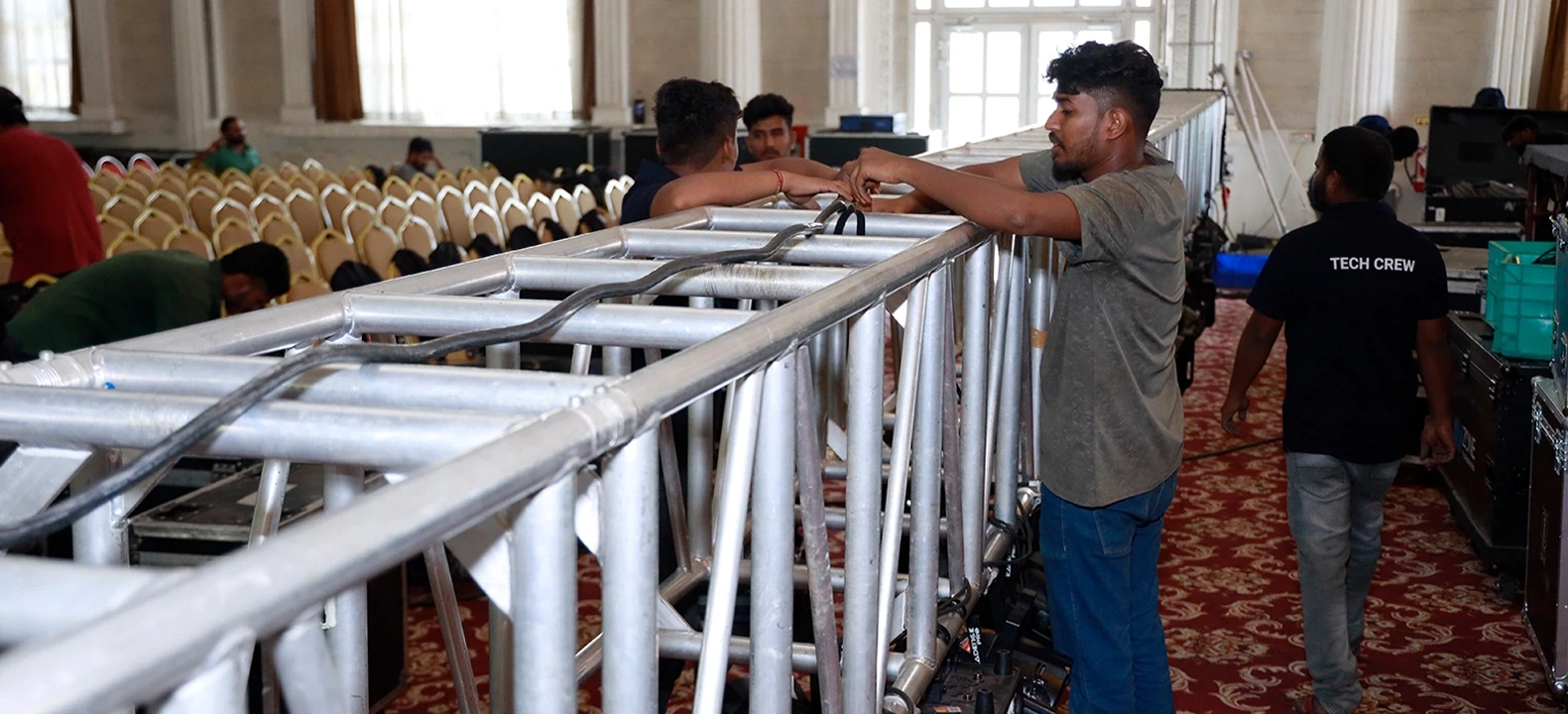

An in-house events hire isn't just a salary. It's benefits, tools, ongoing training, and importantly, the opportunity cost of that person sitting relatively idle between events. A company running four events a year is paying a full-time salary for work that genuinely occupies maybe three months of the calendar. Compare that honestly against what it costs to hire for event execution externally per project, and the external route usually wins comfortably below a certain volume threshold.
The most common setup we see among mid-to-large companies today isn't fully in-house or fully outsourced. It's a single internal events or admin coordinator who owns the relationship, budget, and internal stakeholder management, paired with an external Corporate Event Planner in Pune or wherever the company is headquartered, handling actual execution. This gives companies internal continuity and institutional memory without carrying the full cost and idle-time risk of a larger internal team.
Before this decision gets made purely on cost spreadsheets, it's worth asking leadership a more direct question: is the goal operational efficiency, or is it building long-term institutional capability around events as a strategic function? Companies chasing pure efficiency almost always land on the external or hybrid model. Companies that see events as core to their brand and culture, and plan to keep scaling that investment, sometimes justify an in-house build even below the volume thresholds discussed above, because they're optimising for a different outcome than cost per event.
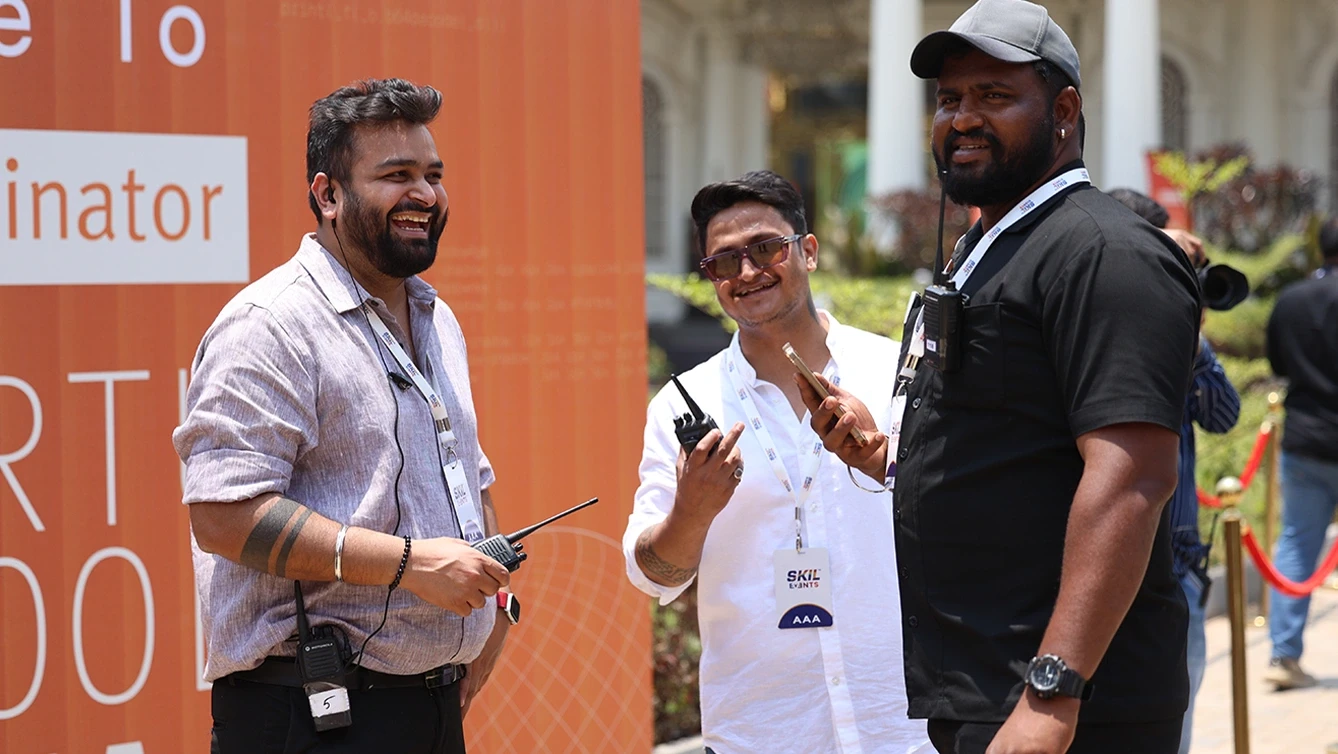
We work both ways, as the sole external partner for companies that prefer not to build an internal function at all, and as the execution partner supporting a client's internal events coordinator on the larger, more complex events that exceed what a lean internal team can handle alone. That flexibility is often more valuable to clients than a rigid "we only work one way" model.
When companies do decide to shift from external-only to a hybrid model, the timing of that internal hire matters more than most realise. Working with an experienced partner like SKIL Events during the transition can help build a strong foundation of external partner relationships and institutional knowledge before an internal coordinator takes full ownership. A smoother transition usually involves bringing the internal hire in gradually, shadowing SKIL Events and existing external partnerships across a few events before taking full ownership, rather than making a hard cutover on a single date.
Generally above twelve to fifteen significant events per year, though this varies based on event complexity and internal salary benchmarks.
Yes, and it's often the best fit for exactly this scenario, a lean internal coordinator provides continuity while external partners flex up or down with actual event volume.
Usually yes, particularly for companies newer to frequent event planning. Established external partners typically have volume-based vendor relationships built over years.
Not if the partnership is set up properly, with clear brand guidelines and a consistent point of contact on the external side across multiple events, rather than a different team each time.
Idle time between events. Companies often underestimate how much of an internal hire's time goes unused during slower periods, which quietly erodes the expected cost savings.