Most lists of corporate event planning tips read like they were written from a textbook, "start early," "set a budget," "communicate clearly." True, but not actually useful. These twelve come from patterns the SKIL Events team has seen repeat across hundreds of corporate events, the kind of advice that only becomes obvious after you've watched the same mistake happen a dozen times in different cities with different clients.

Pitching a beautiful stage design before confirming power capacity, loading access, and floor restrictions is how creative concepts quietly die two weeks before the event. Site reality should shape the concept, not the other way around.
"Someone from AV will handle this" is not a plan. "Rohan from AV handles the mic check at 4:15" is. Vague ownership is one of the most common reasons small issues become visible problems on the actual day.
Press, partners, and internal staff often need genuinely different experiences within the same event. Deciding this after invites go out limits your options considerably.
A verbal or email confirmation without a signed contract and deposit isn't a real hold, especially during India's peak event season when the same venue or vendor is being pursued by three other clients simultaneously.
VIP arrivals run late more often than not. A programme with zero buffer around this moment cascades delays through the entire rest of the day.
A runsheet that looks complete in a document often reveals gaps the moment it's walked through verbally with the full team. This single step catches more problems than almost anything else in the final two weeks.
When comparing vendor quotes, always ask for specific crew allocation by function. A suspiciously low quote is very often a thinly staffed one, and that shows up fast on the actual event day.
Among Successful Corporate Events, lead and guest data capture is planned and staffed in advance, not left to a half-filled paper register that never makes it into a usable spreadsheet.
Whoever owns follow-up calls, emails, or next steps should know their task before the first guest arrives. Planning this after the event means momentum is already lost.
A backup microphone, a second projector, a standby power connection, these are cheap insurance against the one failure that would otherwise be seen by every single guest in the room.
Employees attending their own company's event need clear, advance information about timing, format, and expectations just as much as external guests do. This gets skipped constantly.
Any Top Corporate Planner India businesses actually trust with complex events will discuss past challenges openly and specifically. A vendor who claims nothing ever goes wrong either hasn't done many events or isn't being straight with you.
None of these mistakes are exotic. They’re the same handful of patterns that separate corporate event management that runs smoothly from events that look fine in photos but were genuinely stressful for everyone involved backstage. So, what mistakes do companies make when planning large-scale corporate events in India? The answer is often found in the details teams overlook—logistics, communication, contingency planning, vendor coordination, and operational execution. What’s notable is how consistently these mistakes repeat across industries, cities, and event sizes, which is exactly why they’re worth internalising before your next event rather than learning them the hard way.
Almost every one of these twelve points was learned by someone, somewhere, through an event that didn't go quite right. That's genuinely how this industry works—there's no textbook substitute for having watched a vague runsheet fall apart in real time or seen an underquoted crew struggle during a fast-moving programme. The value of working with an experienced partner like SKIL Events isn't that they've avoided every mistake; it's that they've learned from these challenges on past events and built the process discipline to avoid repeating them on yours.
These twelve points aren't theoretical for us, they're baked into how we structure every client engagement, from the first site visit through to post-event follow-up planning. Two decades of running events across manufacturing, technology, and hospitality clients tends to make patterns like these impossible to ignore.
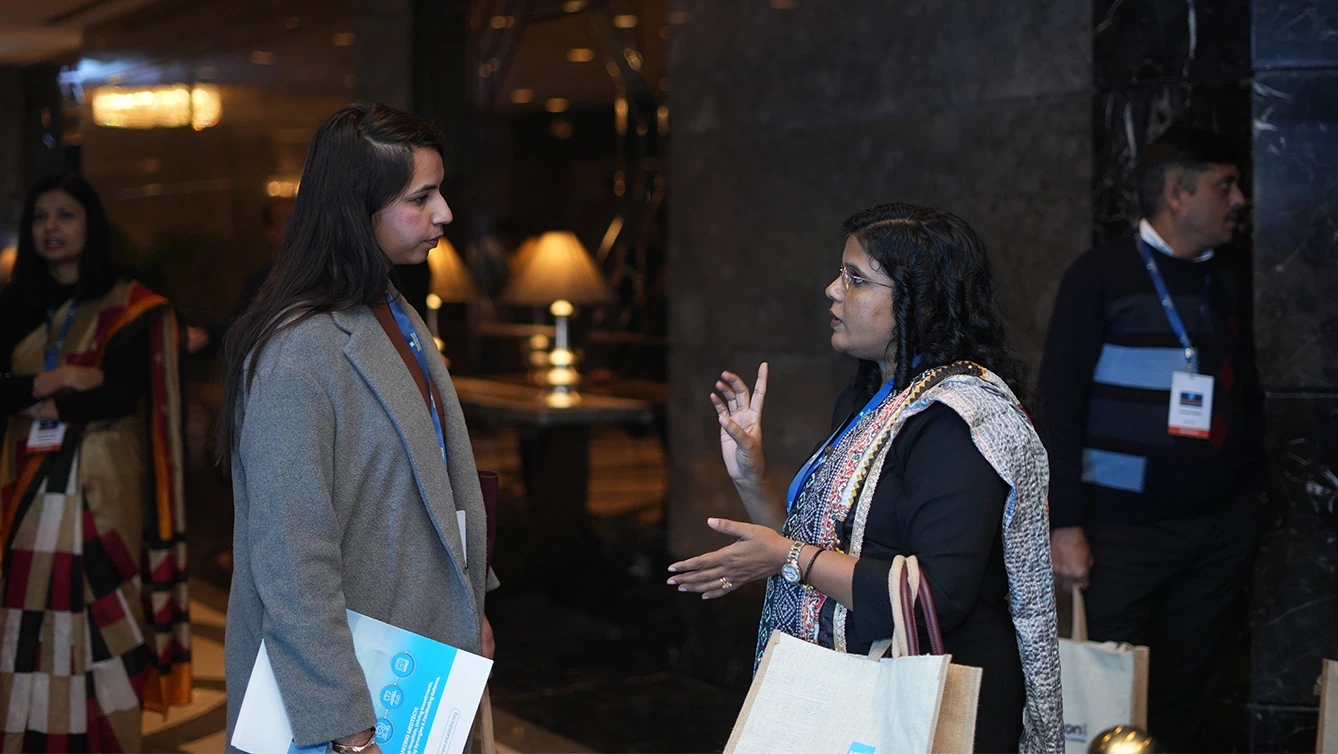
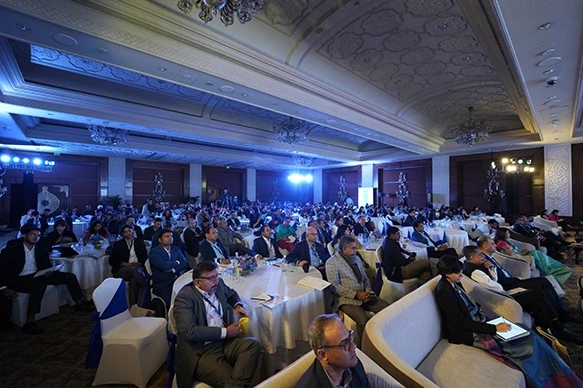
Building the runsheet with named individuals rather than vague roles. It's a small shift that immediately clarifies accountability and catches gaps early.
As soon as the event date and scope are locked, ideally six or more weeks out, especially during India's peak event season when availability tightens fast.
For smaller, lower-visibility events it's less critical, but for anything involving a senior speaker, live recording, or a large audience, it's a small cost against a significant risk.
Verbal walkthroughs surface gaps and ambiguities that a document alone often hides, especially around handoffs between different teams or vendors.
Segmenting the guest list and their experience before invites go out. It's frequently treated as a formatting detail rather than a strategic decision, and by the time it's addressed, options are already limited.