The best format for a dealer meet event for automotive and FMCG channel partners combines three elements in a single program: a clear business update (targets, new schemes, and product previews delivered concisely, not as a two-hour lecture), a genuine recognition segment that publicly rewards top-performing dealers, and enough informal networking or destination time that partners actually build relationships with each other and with company leadership. Skip any one of these three and the meet tends to underdeliver, either because dealers leave without clear direction, without feeling valued, or without the relationship capital that keeps them motivated after they fly home. Getting that mix right is what separates a dealer meet that actually moves next quarter's numbers from one that's just a nice trip.
Dealer meets are honestly one of the highest-stakes events on a B2B company's calendar, and they don't always get treated that way. You're gathering the people who physically carry your product to market, sometimes 300 to 700 of your most important partners in one room, and the entire point is to leave them more motivated, better informed, and more loyal than when they walked in. Get the format wrong and you've burned a serious budget (these events typically run ₹30-80 lakh depending on scale and destination) on something that barely moves the needle.
It's tempting to assume a bigger budget automatically produces a better dealer meet. It doesn't. A poorly structured event with a five-star venue still leaves dealers checking their phones during the business update and skipping the networking dinner. The format, how the day is actually sequenced and what each segment is designed to achieve, matters more than the line-item spend.
Automotive brands in particular have leaned hard into this over recent years, treating dealer meets as more than an update session, positioning them as genuine appreciation events in premium locations, often including exclusive previews of upcoming models specifically to make dealers feel like insiders rather than just distribution partners. FMCG and other sectors have followed a similar pattern, layering recognition programs and skills training on top of the standard business update. The shift reflects a broader reality: channel partners have choices about where they put their effort, and a well-run dealer meet is one of the few moments a company gets their undivided attention for two or three days straight.
Strip back the successful dealer meets and you consistently find the same building blocks:
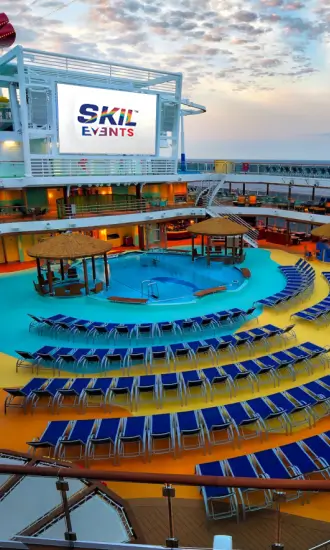
Destinations matter too. Locations like Goa, Jaipur, Udaipur, and Coorg consistently rank among the most requested for dealer meets, largely because they combine strong venue infrastructure with a genuine sense of occasion, which reinforces that this event, and by extension the dealer relationship, is a priority for the company.

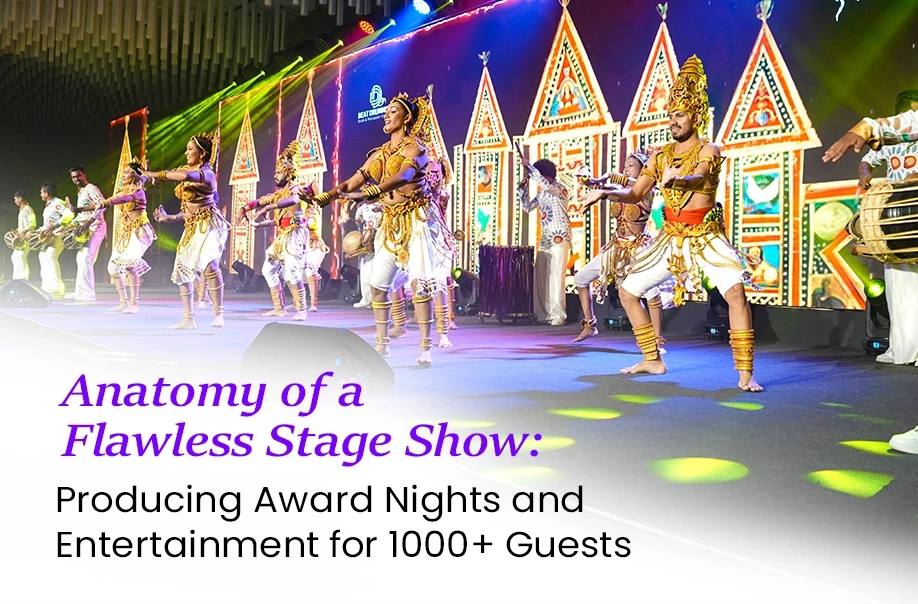
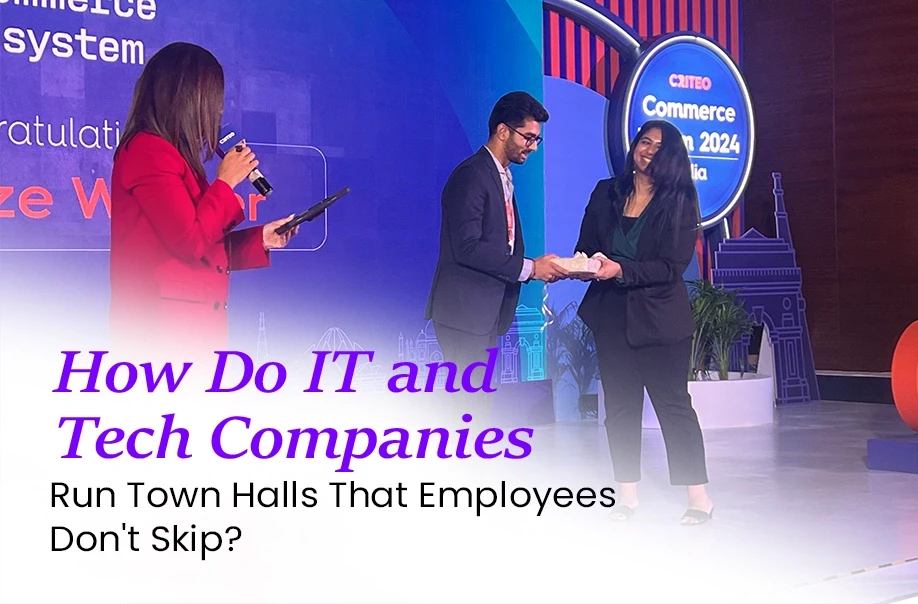
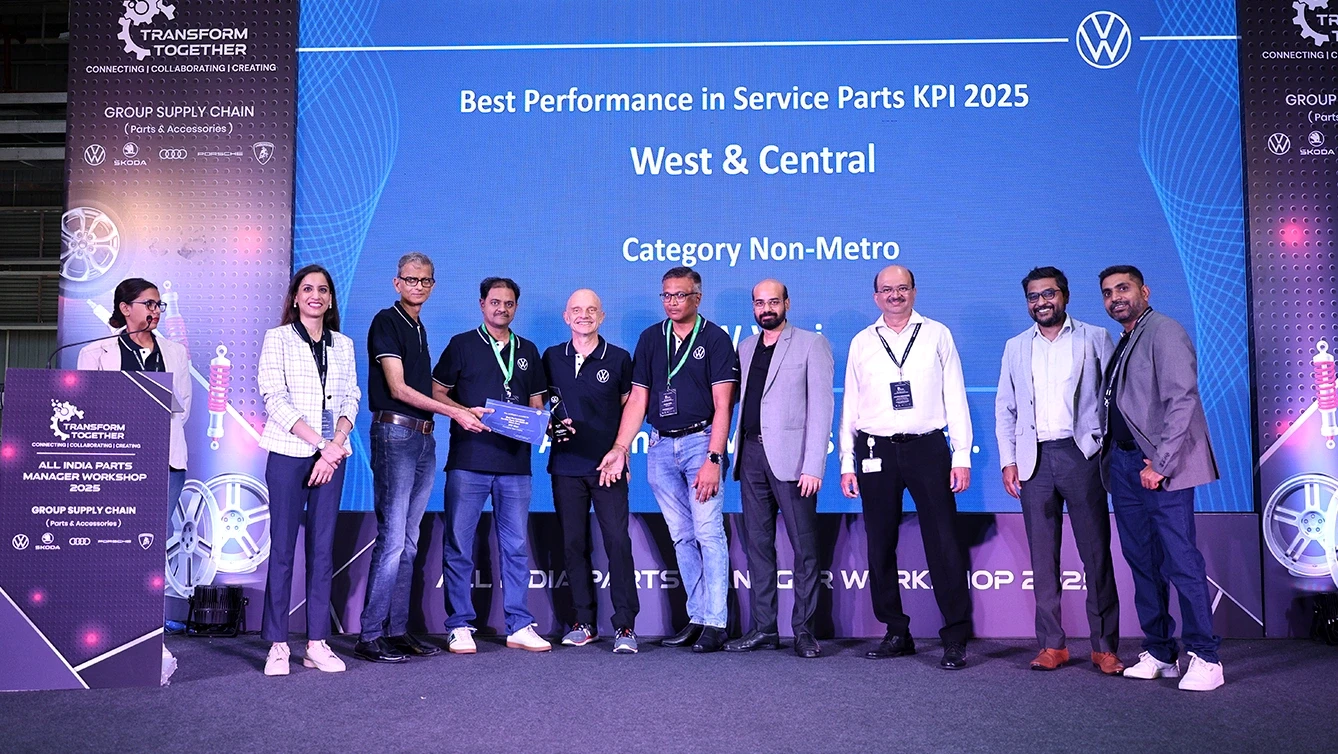
Ask anyone who's run dealer meets across multiple industries and a pattern emerges fast. "The meets that actually change dealer behavior afterward always have one thing in common, the recognition segment doesn't feel like an afterthought squeezed in before dinner," says a SKIL Events account manager. "When a top dealer gets called up on a properly lit stage with real production behind the moment, that memory does more for loyalty over the next year than another slide about targets ever could. Companies that treat the awards portion as a formality are leaving real motivation on the table."
That's a useful gut check for anyone drafting a dealer meet agenda: if the recognition segment is currently your afterthought, it's probably underperforming its potential.
SKIL Events runs dealer and channel partner meets through the same Ideation to Execution process used across its enterprise event work. It starts with listening, understanding whether the priority is pure recognition, product launch energy, retention of underperforming dealers, or some blend of all three, because that changes the entire agenda structure. Concept and design follow, building the venue, staging, and program flow around that specific objective rather than a generic template. Execution covers staging, entertainment, transport for potentially hundreds of dealers arriving from different cities, and on-ground logistics, and the post-event phase includes gifting, documentation, and feedback so the company has a clear record of what worked heading into next year's meet.
With five offices including Delhi, teams researching dealer meets event organizers in delhi for a northern-market channel partner program get the advantage of local execution knowledge combined with the broader operational muscle of a company running roughly 1,500 events a year nationally. That combination, local ground game plus enterprise-scale systems, is genuinely hard for smaller regional vendors to match.
Start by defining the single most important outcome you want dealers to leave with, whether that's clarity on next year's targets, renewed motivation, or excitement about a new launch, and build the agenda sequence around that priority rather than trying to cram everything in equally. Keep the formal business content tight and put real production value behind the recognition segment specifically, since that's the part dealers remember and talk about afterward. Build in genuine unstructured networking time rather than filling every hour with programming. And budget realistically, including staging, entertainment, transport, and destination costs, since dealer meets done well are a meaningful line-item investment, not a minor add-on. SKIL Events has run channel partner programs across exactly this range of scale and industry, from automotive to FMCG and beyond.
It varies by company size, but most effective dealer meets bring together 300-700 of the most important partners, large enough to create genuine energy and peer recognition, small enough that the program still feels personal rather than anonymous.
Most dealer meets of meaningful scale run between ₹30-80 lakh, depending on destination, guest count, and how much production value goes into staging and entertainment, with recognition segments typically justifying a larger share of that spend.
Many companies do include spouses or family for senior dealers specifically, since it deepens loyalty and makes the trip feel like genuine appreciation rather than just another business obligation, though this depends heavily on company culture and budget.
Quite important. Popular choices like Goa, Jaipur, Udaipur, and Coorg work well because they combine solid event infrastructure with a genuine sense of occasion, which reinforces to dealers that the company values the relationship enough to invest in the experience.
Treating the recognition and awards segment as a formality rather than a genuine production priority. Dealers remember how they were made to feel on that stage far longer than they remember the specifics of the business update.