If you have been planning international incentive trips or business conferences over the last year, you have probably felt this already. A destination that looked perfectly straightforward eighteen months ago suddenly comes with visa delays, airspace restrictions, sudden entry rule changes, or a general client nervousness that was not there before. This is quietly forcing one of the more interesting shifts in the MICE corporate events, Meetings, Incentives, Conferences and Exhibitions, industry in years, and it raises a genuinely practical question: what are the best offbeat destinations for corporate incentive travel groups in 2026, given how much the usual map has changed?
For a long time, corporate incentive travel from India defaulted to a fairly predictable shortlist: certain Southeast Asian hubs, parts of the Middle East, a handful of European cities favored for their conference infrastructure. Some of these destinations have become genuinely more complicated to plan around in 2026, whether due to visa processing slowdowns, regional travel advisories, currency volatility, or simple client hesitation given how unpredictable global travel news has felt lately. None of this means these destinations have become impossible. It means the planning runway has gotten shorter and the contingency planning has gotten heavier, and event planners who used to book a venue and move on are now building backup destinations into the brief from day one.
Domestic and near-domestic destinations have absorbed a lot of this shift. India's own portfolio of options- hill destinations, coastal cities, heritage properties in Rajasthan and Kerala- has expanded its appeal specifically because it removes visa uncertainty and long-haul logistics risk entirely while still delivering a genuine sense of occasion. A well-executed offsite in Udaipur or Coorg can feel every bit as premium as an international trip without the exposure to disruptions nobody can fully control.
Sri Lanka and select Gulf destinations with more stable, established travel corridors have picked up interest specifically because they offer international travel with comparatively simpler visa processes and shorter flight times from major Indian cities, reducing the number of variables that could derail a trip close to the date. Companies running annual sales meets or leadership incentive trips are increasingly choosing destinations based partly on logistics resilience now, not purely on the aspirational appeal of the location.
Central Asian and select African destinations are also entering conversations they were rarely part of a few years ago, driven by direct flight expansions and a genuine appetite among planners to offer something distinctive rather than the same handful of oversaturated incentive destinations everyone has already visited twice.
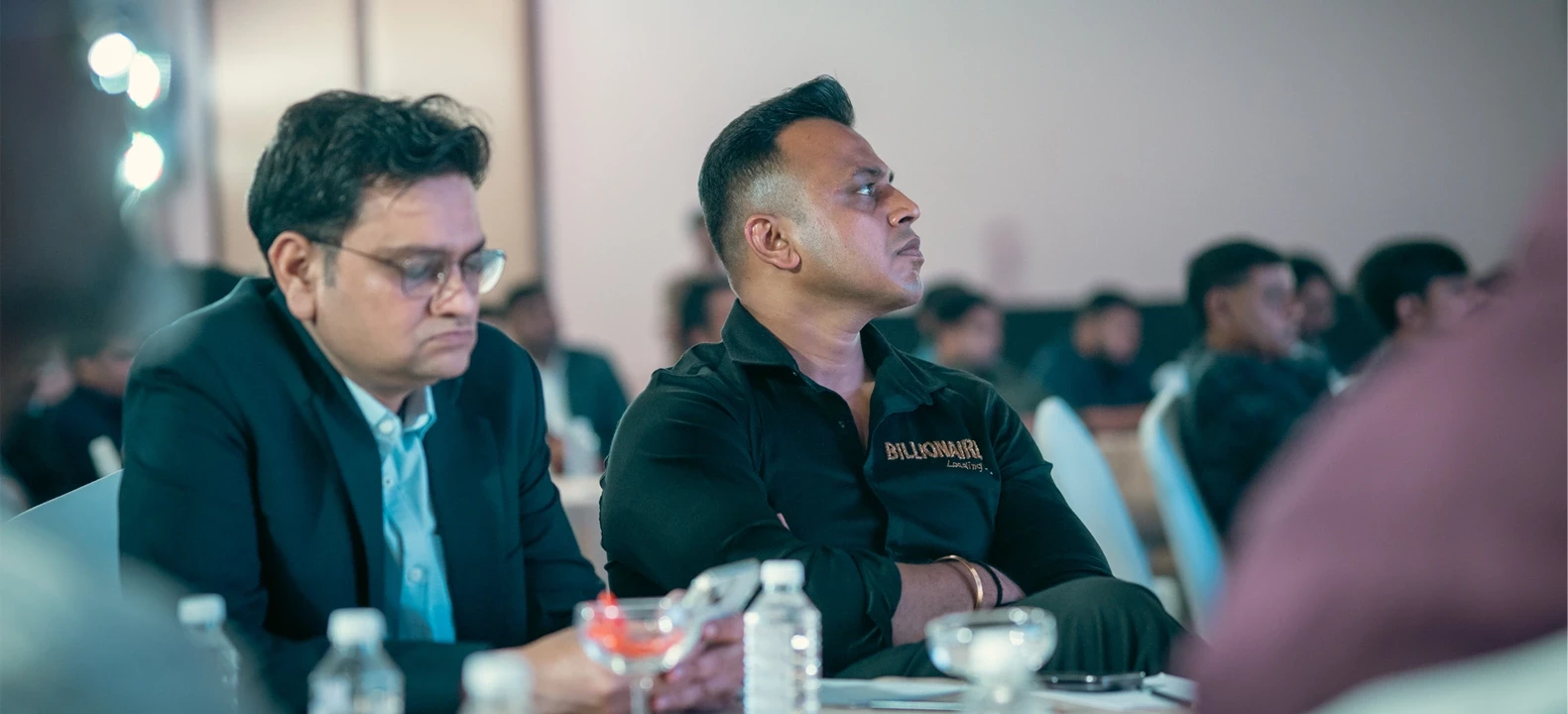

The single biggest operational change is contingency planning becoming a formal part of the brief rather than an afterthought. Companies are now asking event partners directly: what happens if the visa does not come through in time; what is the backup destination; what is the cancellation and rebooking policy on the venue contract- questions that used to come up only after something went wrong rather than being addressed proactively in the planning stage.
There is also a growing preference for destinations offering more flexible group visa processing or visa-on-arrival options, simply because it removes one of the more unpredictable variables from an otherwise tightly scheduled corporate trip. Planners are learning to weigh destination decisions partly on administrative simplicity, alongside the more traditional factors of venue quality, activity options and cost.
SKIL Events has been navigating exactly this recalibration with clients planning both domestic and international incentive programs, building destination shortlists that weigh genuine experiential value against practical resilience, rather than defaulting to whatever destination was popular the previous year. That has meant leaning harder into India's own premium destinations for groups that want certainty, while helping clients who specifically want an international incentive experience identify destinations with more stable travel corridors and simpler visa pathways from India.
If you are planning a flagship incentive trip or an international business conference this year, build contingency into the brief from the start rather than treating it as a nice-to-have. Ask pointed questions about visa timelines, cancellation terms and backup destinations before signing a venue contract. And do not assume the destination that worked well for your company three years ago is automatically still the smoothest option today, because the map genuinely has shifted, and the companies planning well in 2026 are the ones treating that shift as a planning input rather than an unwelcome surprise discovered two weeks before departure.
There is also a quieter benefit to this whole recalibration worth mentioning. Companies forced to look beyond the usual shortlist are discovering destinations and formats that their teams genuinely prefer to the old default choices, which suggests some of these changes might outlast the disruptions that originally forced them.
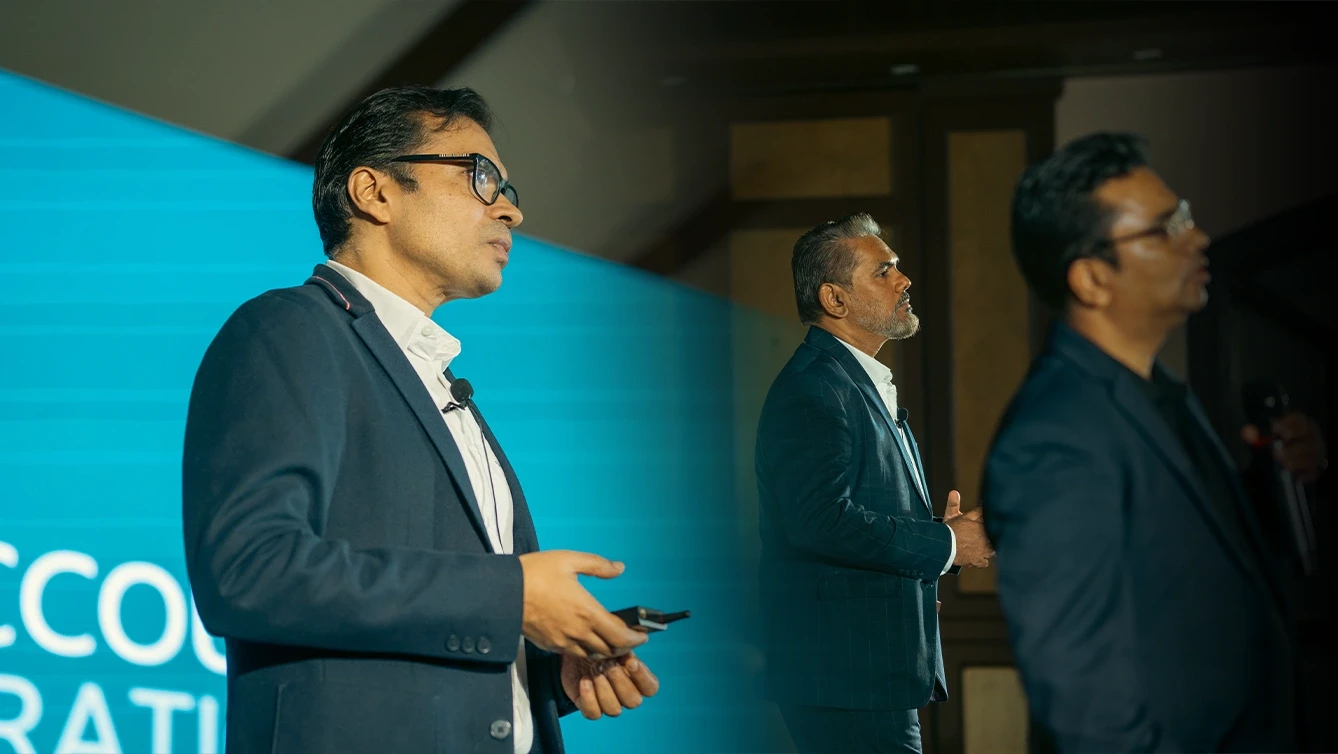
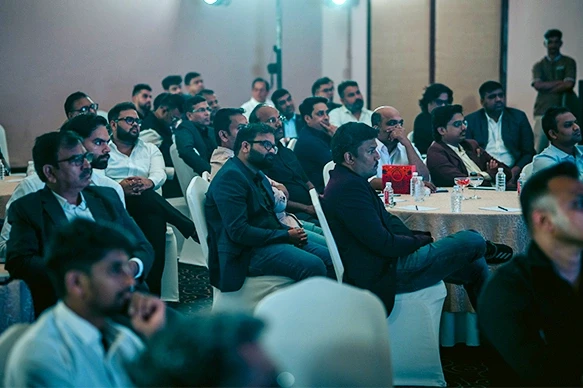
Domestic premium destinations like Udaipur, Coorg and Kerala are gaining ground for their reliability, alongside international options like Sri Lanka and select Gulf destinations offering simpler visa processes and shorter flight times.
Visa processing delays, regional travel advisories and general unpredictability have made some previously default destinations harder to plan around reliably, pushing companies toward destinations with more stable travel corridors.
Yes, largely because it removes visa uncertainty and long haul logistics risk entirely, while premium properties in Rajasthan, Kerala and hill destinations still deliver a genuinely elevated experience.
Ask specifically about backup destinations, visa timeline risk, and cancellation or rebooking terms on venue contracts, building these questions into the brief from the start rather than after a problem occurs.
By building destination shortlists that weigh experiential value against practical resilience, offering strong domestic options for certainty and identifying international destinations with simpler visa pathways for clients who want a global incentive experience.