Okay so someone in your leadership team just said the words "international incentive trip" and now you're staring at a world map wondering how to narrow this down to one city. Dubai keeps coming up because it always does. Bangkok is on the list because someone went there for their honeymoon and won't stop talking about it. Singapore is the safe choice. And three people from different departments have sent you articles about Bali at the exact same time.
Picking a MICE destination isn't really about picking the most beautiful place. It's about picking the right place for this team, this objective, and this budget. Those three filters together narrow the field quickly. But most companies skip them and go straight to "let's vote on which city sounds most exciting." That's how you end up with a destination that looked great in the proposal and felt like a mismatch when you got there.
SKIL Events has been designing international MICE events across Asia, Europe, and the Middle East long enough to understand the difference. Let's walk through how this decision should actually get made.

Before any city gets on the shortlist, answer one question honestly. What is this trip supposed to do?
If the answer is "reward top performers," your criteria are luxury, exclusivity, and experiences that feel genuinely premium. Dubai and Singapore earn their reputation here. The infrastructure for high-end hospitality in both cities is unmatched at a certain budget level.
If the answer is "build team culture and deepen relationships," you need immersive local experiences and spaces where people naturally shed their corporate personas. Thailand excels at this. Vietnam does it in a way that catches people completely off guard.
If the answer is "strategic alignment and global perspective," then a destination with genuine business energy matters. Hong Kong and Singapore deliver this well.
Most companies have a mix of objectives and that is fine. But one should be primary. MICE management starts with that clarity because everything downstream - venue selection, activity programming, hotel tier, even flight routing - flows from it.
Dubai is the default MICE destination for Indian corporate groups and there is a reason for that. Proximity. Manageable visa process. World-class infrastructure. And an instant wow factor that lands well for incentive trips where making attendees feel their achievement is being taken seriously matters.
But Dubai works best when you go beyond the obvious. The standard itinerary - Burj Khalifa, desert safari, mall visit - has been done enough times that it stops feeling special for groups who have traveled before. The Dubai that creates lasting impressions for MICE corporate events is built around what most groups never see. Sunset dhow dinners on the Creek rather than the marina. Private gallery tours in Alserkal Avenue. Food experiences in Deira that feel genuinely local. The city has that depth. It just requires a planning partner willing to look past the first page of "top things to do."
Bangkok is chaotic, sensory, and completely alive in a way that either thrills or overwhelms depending on the group. Which is useful information when designing a team experience.
Groups that respond well to Bangkok tend to be tech teams, creative teams, and younger organizations that need energy and novelty to reconnect. The street food circuit at Chinatown at midnight. The river taxi culture. The contrast of ancient temples against rooftop bars that seem to have appeared from the future.
For international MICE events, Bangkok also offers exceptional value at budgets that would not get you a mid-tier hotel ballroom in Singapore. That is a strategic advantage worth knowing.
When SKIL Events managed the Hansgrohe incentive program across Hong Kong and Macau for 45 participants, the brief was essentially this: the people in this group have built something impressive and the experience needs to match that.
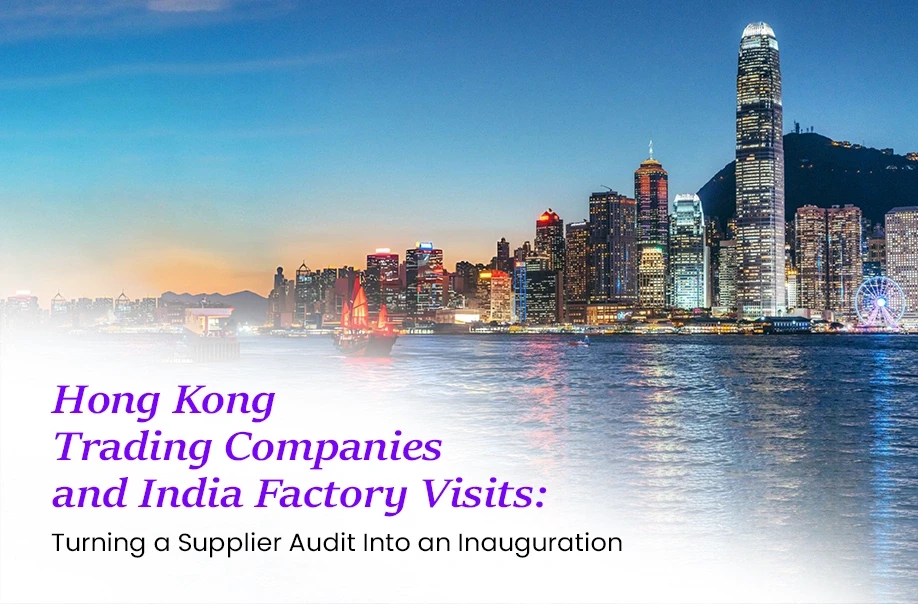
Hong Kong gives a very specific energy. Dense, vertical, fast, ambitious. It mirrors something about what high-performing teams feel like when they are operating well. The city tours SKIL designed were not standard tourist routes. They moved through Sheung Wan's wet markets and old neighborhoods sitting in the shadow of the financial district. The Star Ferry crossing as both transit and experience. The Peak at a specific time of evening most itineraries miss.
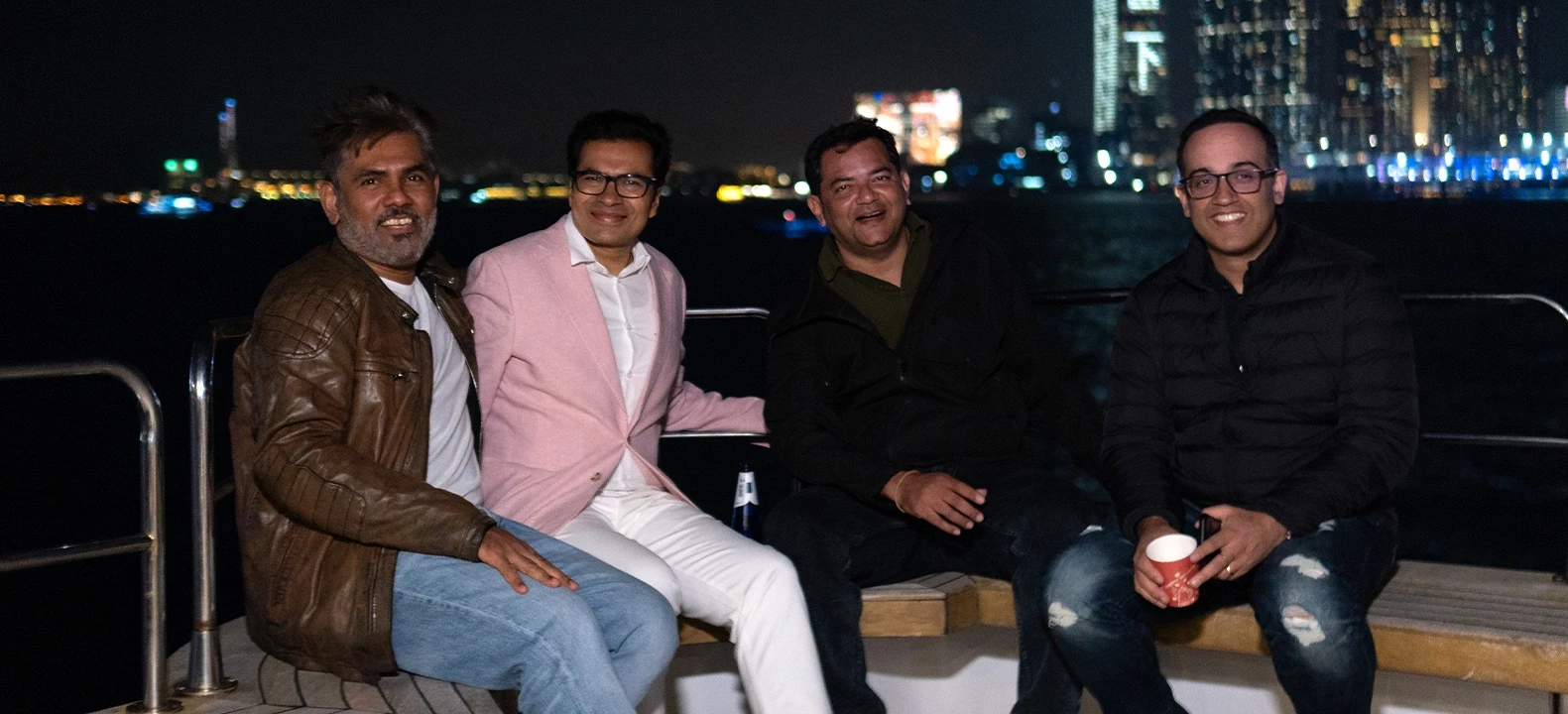
Macau added a completely different dimension. The scale shift from Hong Kong's intensity to Macau's blend of Portuguese colonial architecture and contemporary entertainment created a natural arc. The yacht dinner SKIL organized there was the kind of moment that anchors a whole journey. Forty-five people on the water as the city lit up around them. That specific hour tends to be the one people describe when asked about the trip a year later. Not a keynote. Not a workshop. A yacht, open water, and the skyline of Macau.
That is MICE management at its best. The memory is not just in the programming. It is in the transitions and moments of collective pause between the structured parts.
Start with budget per head including flights, accommodation, ground transport, and activities. That number immediately eliminates or includes destinations.
Then look at group profile. Experienced travelers who have visited obvious destinations need less obvious ones. First-time international travelers benefit from cities with strong infrastructure and English-language accessibility.
Then look at what the program requires. MICE corporate events built around outdoor team building need weather and terrain to cooperate. A Geo Hunt Olympics for a Bangkok street circuit needs different planning than one through Dubai's older neighborhoods. Squad Games need venues with layout flexibility. Drum Circles work anywhere but absorb the surrounding energy.
Finally, visa and travel logistics. Genuinely underestimated. A beautiful destination with visa complexity for half the team is not worth the operational headache.
Choosing on aesthetics. The city that looks best in proposal photos is not necessarily the one that works best for the group.
Underestimating transfer time. Complex inter-city movement burns program time. SKIL Events always maps actual movement timelines before confirming itineraries because trips that look great on paper can feel rushed on the ground.
Doing what everyone does in every city. The Hansgrohe group remembers Hong Kong through specific neighborhoods and that Macau yacht dinner - not through anything a generic day-tour could replicate.
A well-planned MICE destination trip has a narrative arc. An opening that arrives with energy and sets tone. A middle that mixes structured programming with genuine exploration. A closing that gives people a moment to feel the full weight of what they experienced before the flights home begin.
SKIL Events designs around that arc for every international program. Dubai, Bangkok, Hong Kong, Macau, Sri Lanka, Vietnam, Switzerland, Paris - every destination has different bones. The job is building the right story on those bones for this specific group at this specific moment. The city is the canvas. The experience design is the painting. The painting is different every time even when the canvas is the same.
That is why MICE trips work when they work and feel like expensive logistics exercises when they do not. The destination matters. The design matters more.
Start with group profile, objective clarity, and budget per head. For first-time international groups, cities with strong infrastructure and accessibility like Dubai or Singapore often work best. As groups gain travel experience, appetite for less obvious destinations grows. A solid MICE management partner helps match destination to group readiness.
The contrast is the advantage. Hong Kong brings intensity, density, and global business energy. Macau brings a different cultural texture alongside entertainment scale. Together they create a natural trip arc. International MICE events combining these two cities cover the high-energy urban experience and the relaxed experiential moments that make incentive trips memorable.
Regular corporate travel is logistics. MICE corporate events planning is experience design with logistics as the foundation. The difference shows in how a trip feels - whether it created real memories and genuine team connection or simply moved a group of people from one city to another efficiently.
Formats that adapt to the destination. SKIL Events designs Geo Hunt Olympics around city circuits, Squad Games using local venues and terrain, and Drum Circles that absorb wherever they happen. Good MICE management means activities and destination inform each other rather than running in parallel.
Four to six months minimum for small groups. Six to nine months for 50-plus participants, especially when the program involves yacht charters, exclusive venue bookings, or visa coordination. The best MICE destination experiences require early access that last-minute programs simply cannot secure.