There is a real shift happening in how companies think about event scale, and it is not the one most people expect. For years, bigger was treated as automatically better: more attendees, a bigger venue, bigger budget, bigger headline speaker. In 2026, a growing number of companies are quietly discovering that a smaller, sharper gathering often produces a stronger business outcome than the sprawling flagship conference it replaced, which is forcing a genuinely useful conversation around what makes an intimate corporate event more effective than a large-scale conference for specific business goals.
Large flagship conferences are genuinely good at certain things: brand visibility, broad market signaling, reaching a wide and varied audience in one sitting. But they are also expensive to execute well, logistically complex, and prone to a specific failure mode: attendees who show up, get lost in the crowd, have a handful of surface-level conversations, and leave without the kind of connection that actually changes a business relationship. A 500-person conference can generate impressive attendance numbers on a wrap report while producing surprisingly little in terms of qualified pipeline or genuine relationship deepening, because the format itself works against depth. This is where the best event management companies in India are helping brands rethink conference formats and create more focused experiences that prioritize meaningful interactions.
Companies running the numbers on cost per meaningful connection, rather than cost per attendee, are increasingly finding that number looks worse for large conferences than it appears on the surface.
Curated guest lists change the entire dynamic. A 30 to 50 person gathering built around a specific shared interest or business problem allows for actual conversation depth that a 500 person conference cannot replicate, regardless of how good the content or speakers are. Attendees at a well-curated micro-event tend to remember who they spoke with and what was discussed, which is a much stronger predictor of follow-up business than a name badge scan at a booth.
Format flexibility is another advantage smaller events have baked in. A dinner conversation format, a structured roundtable, a working session with a genuine deliverable at the end- these formats simply do not scale to hundreds of attendees but work exceptionally well for smaller groups, and they tend to produce far more substantive engagement than a panel discussion in front of a large audience.
The economics also work differently than most people assume. A well-executed micro-event with a genuinely curated guest list, a strong venue, and thoughtful programming can cost a fraction of a large flagship conference while generating a comparable or better volume of qualified business conversations, because the spend concentrates on quality of experience for fewer people rather than spreading thin across a large crowd.
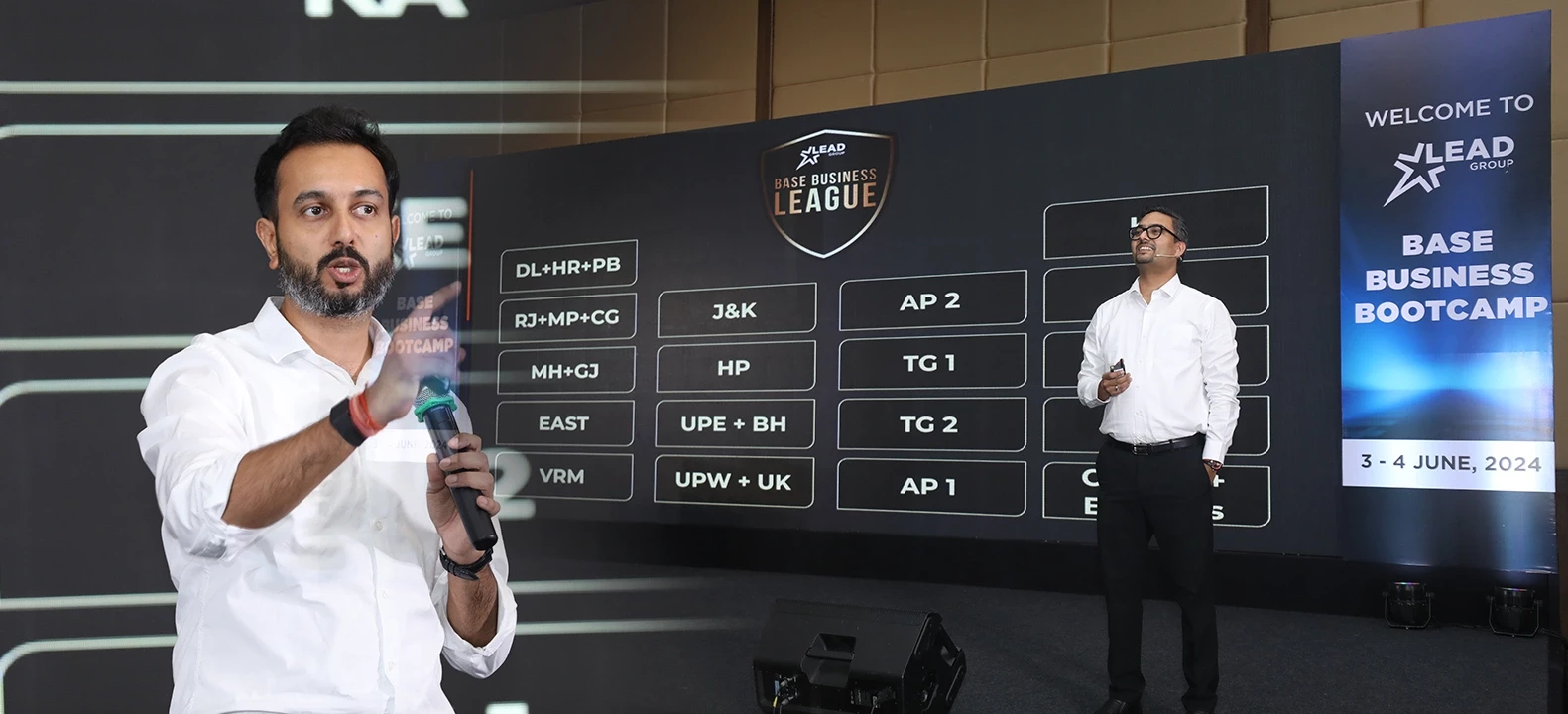

There is a real shift happening in how companies think about event scale, and it is not the one most people expect. For years, bigger was treated as automatically better: more attendees, bigger venue, bigger budget, bigger headline speaker. In 2026, a growing number of companies are quietly discovering that a smaller, sharper gathering often produces a stronger business outcome than the sprawling flagship conference it replaced, which is forcing a genuinely useful conversation around what makes an intimate corporate event more effective than a large-scale conference for specific business goals.
Large flagship conferences are genuinely good at certain things: brand visibility, broad market signaling, reaching a wide and varied audience in one sitting. But they are also expensive to execute well, logistically complex, and prone to a specific failure mode: attendees who show up, get lost in the crowd, have a handful of surface-level conversations, and leave without the kind of connection that actually changes a business relationship. A 500-person conference can generate impressive attendance numbers on a wrap report while producing surprisingly little in terms of qualified pipeline or genuine relationship deepening, because the format itself works against depth. This is where the best event management companies in India are helping brands rethink conference formats and create more focused experiences that prioritize meaningful interactions.
Companies running the numbers on cost per meaningful connection, rather than cost per attendee, are increasingly finding that number looks worse for large conferences than it appears on the surface.
Curated guest lists change the entire dynamic. A 30 to 50 person gathering built around a specific shared interest or business problem allows for actual conversation depth that a 500 person conference cannot replicate, regardless of how good the content or speakers are. Attendees at a well-curated micro-event tend to remember who they spoke with and what was discussed, which is a much stronger predictor of follow-up business than a name badge scan at a booth.
Format flexibility is another advantage smaller events have baked in. A dinner conversation format, a structured roundtable, a working session with a genuine deliverable at the end- these formats simply do not scale to hundreds of attendees but work exceptionally well for smaller groups, and they tend to produce far more substantive engagement than a panel discussion in front of a large audience.
The economics also work differently than most people assume. A well-executed micro-event with a genuinely curated guest list, a strong venue, and thoughtful programming can cost a fraction of a large flagship conference while generating a comparable or better volume of qualified business conversations, because the spend concentrates on quality of experience for fewer people rather than spreading thin across a large crowd.
None of this argues that large conferences are obsolete. Broad brand visibility, industry positioning, and reaching an audience you do not already have a relationship with still genuinely benefit from scale. The honest distinction is about matching format to actual goal rather than defaulting to whichever format feels more impressive on a budget approval slide. A company trying to build initial market awareness in a new category likely still needs the reach of a larger conference. A company trying to deepen relationships with its existing top 40 client accounts is very likely better served by a curated micro-event than another seat at an industry-wide conference.
The better-run event strategies in 2026 start with a genuinely honest question: what is this specific gathering actually meant to achieve, and work backward from there rather than starting with a budget number and a headcount target. Relationship depth goals point toward micro-events. Broad visibility goals point toward scale. Many companies are landing on a portfolio approach, one or two large flagship moments a year for visibility, supplemented by a steady calendar of smaller, sharper gatherings targeting specific account relationships or partner ecosystems throughout the year.
SKIL Events has worked across both ends of this spectrum, from large-scale flagship launches to tightly curated leadership offsites and intimate client gatherings, and the pattern holds consistently: the events that clients describe as genuinely impactful are rarely the ones with the biggest headcount. They are the ones where the format matched the actual business objective, where a curated group of the right 40 people produced more real business value than an audience of 400 loosely connected to the goal.
Before defaulting to a large-scale conference for your next flagship moment, ask honestly whether the underlying goal is visibility or depth. If it is depth, a genuinely well-executed micro-event, smaller, sharper, more curated, will very likely outperform a bigger, more expensive gathering built for a different purpose entirely. SKIL Events increasingly recommends starting this conversation from the business objective rather than the guest list size, because that single reframe tends to produce dramatically better event outcomes across both formats.
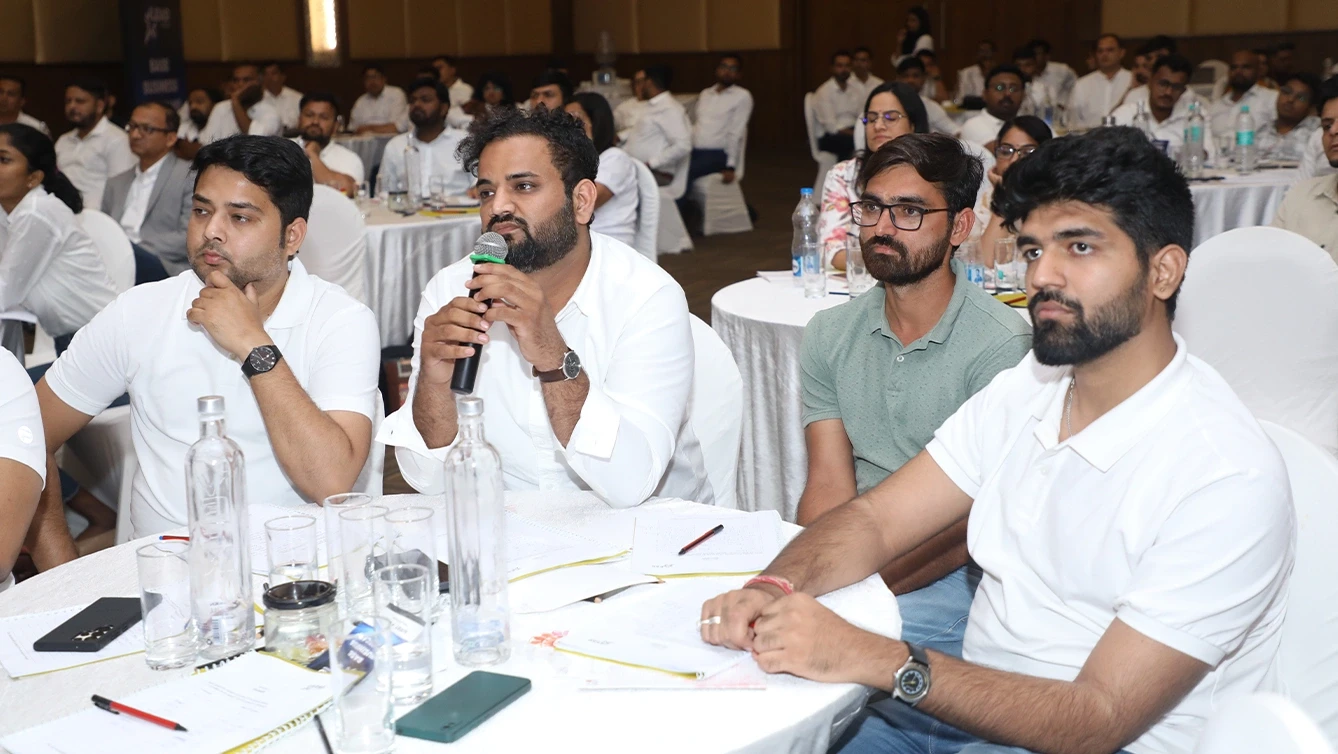
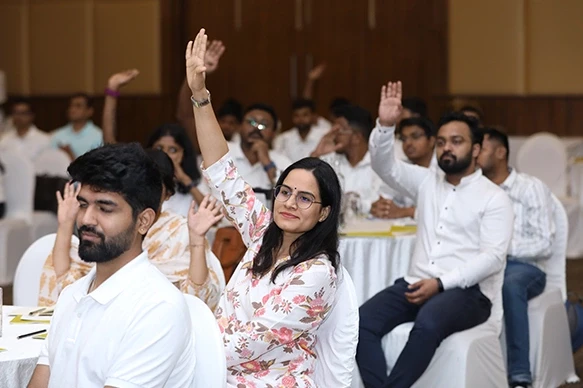
Curated guest lists and flexible formats like roundtables or working dinners create genuine conversation depth and stronger follow up relationships, which large conferences struggle to replicate regardless of content quality.
No. They remain effective for broad brand visibility and reaching new audiences at scale, but they are less effective than micro-events for deepening relationships with specific existing accounts.
Start with the specific business goal. Visibility and broad reach favor scale, while relationship depth and account specific goals are generally better served by a smaller, curated gathering.
Often yes, since the budget concentrates on a smaller group's experience quality rather than spreading across a large crowd, frequently producing a better cost per meaningful business connection.
Many combine one or two large flagship events annually for visibility with a steady calendar of smaller, sharper gatherings throughout the year targeting specific accounts or partner relationships.