An NRI-owned business with Gulf-based promoters and an India operation needs an event partner who reports clearly to both sides, not one who defaults to whichever stakeholder happens to be easiest to reach. We are an NRI-owned business based in Dubai with a factory in Ahmedabad - who can plan our plant inauguration? SKIL Events works with NRI and Gulf-based promoters managing their India operations, including plant inaugurations across Gujarat's industrial belt, with clear communication and structured coordination for both local and international stakeholders.

An NRI-owned business often has decision-making split in a specific, predictable way: strategic and financial sign-off sitting with promoters based in Dubai or Abu Dhabi, and day-to-day operational authority sitting with an India-based management team. When evaluating plant inauguration event management in Gurgaon, the same structure can apply. A vendor who only builds a relationship with one side may end up making decisions the other side later questions, not because anyone acted in bad faith, but because nobody clearly defined who owns which decision.
As a corporate event management company in India for UAE companies and NRI-owned businesses more broadly, SKIL Events builds a clear reporting structure at the start of every project: who approves budget, who approves creative direction, and who receives day-of updates, agreed explicitly rather than assumed. That structure gets documented before planning begins, so neither boardroom is surprised later about a decision they weren't consulted on.
This isn't theoretical for us. We work directly with NRI-owned and Gulf-based promoters managing plant inaugurations and other events across India's industrial belt, and the pattern holds regardless of city: Gurgaon, Ahmedabad, or elsewhere.
Plant inaugurations and family days carry more emotional weight for promoters than a routine operational meeting would, which is exactly why misalignment on these specific event types tends to cause more friction than it would elsewhere. Getting the reporting structure right at the start protects the event from becoming a source of tension between two boardrooms that otherwise work well together.
Picture a plant inauguration where the India-based operations head approves the venue and catering because that's within their day-to-day authority, while the actual event budget ceiling and any ceremonial elements involving family members of the promoters need sign-off from Dubai. If the event vendor only ever speaks to the operations head, decisions get made that then need to be walked back once the Gulf-based promoters weigh in later, sometimes after contracts are already signed. That's not a hypothetical risk, it's the single most common friction point we see in these dual-structure engagements, and it's entirely avoidable with a documented reporting structure agreed in week one.
The fix isn't complicated. It just requires naming it explicitly rather than assuming everyone already knows who owns which decision, which is usually the actual gap, not any lack of goodwill on either side.
It's also worth saying plainly that this dual-reporting reality isn't a burden we tolerate, it's a structure we've come to expect and plan around by default whenever an NRI-owned or Gulf-linked client comes to us, precisely because it's the norm for this category of client rather than the exception.
The single most useful habit we've built into these engagements is putting the reporting structure in writing before the first vendor payment is made, rather than relying on a verbal understanding from an initial call. SKIL Events follows this structured approach by clearly defining who approves what, who receives which updates, and how disagreements are resolved. A short document naming these responsibilities takes an hour to draft and can save weeks of friction later, giving both boardrooms something concrete to refer back to if a decision gets questioned months into the project.
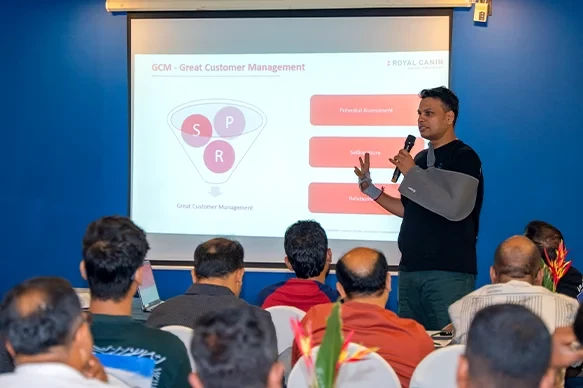
Yes, we work directly with NRI and Gulf-based promoters managing their India operations, including plant inaugurations across Gujarat's industrial belt.
We agree this explicitly before planning starts, so updates go where they're actually needed rather than defaulting to whichever contact is easiest to reach.
We ask this question upfront, before it becomes a real disagreement, so there's already an agreed process for resolving it rather than an argument happening live during planning.
Yes, we build both into one clear reporting structure rather than treating financial sign-off and execution as two disconnected relationships.
Yes, ceremonial and family-oriented events often carry more weight for Gulf-based promoters specifically, which makes clear reporting even more important for these event types.