Be honest for a second. When was the last time you attended a yearly rewards event and genuinely felt celebrated? Not politely clapped. I didn't check your phone during the third speech. Actually felt it.
For most people, that answer is complicated. Most rewards and recognition events are well-intentioned but poorly executed. The company is committed to celebrating its people through corporate rewards and employee appreciation initiatives. Planning goes into venues, catering, trophies, and corporate rewards programs. And then the event feels like a fancier version of a Monday all-hands. Speeches nobody remembers. Awards nobody thought about two weeks later.
The intention was right. The experience was wrong. That gap is exactly where SKIL Events lives as one of the leading rewards and recognition companies in India.
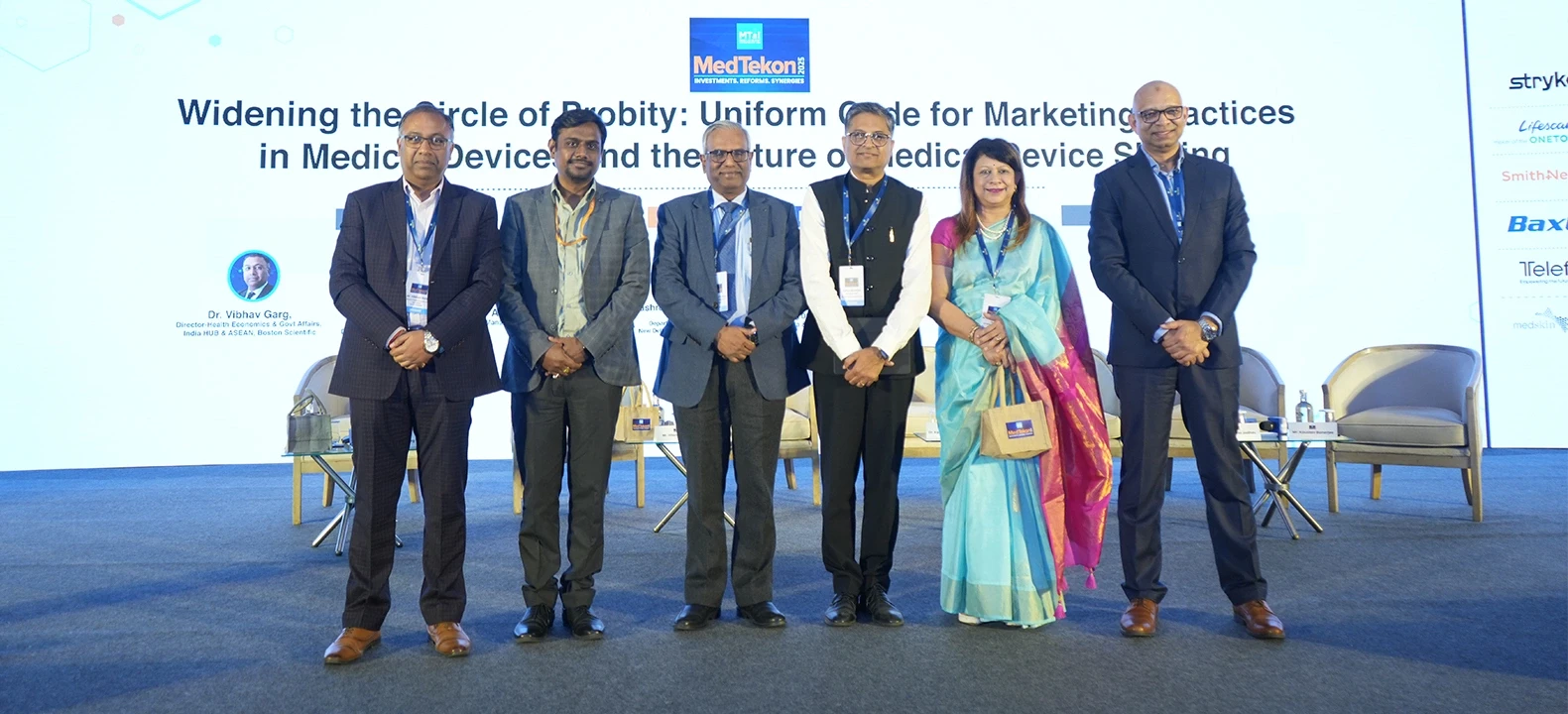

Recognition events typically get planned backward. Someone decides there will be fifteen award categories. A venue gets booked. A dinner menu gets chosen. Speeches get written. And by the time everything is assembled, the evening becomes one of those reward-recognition events where names are called, people walk to the stage, shake hands, receive an award, and sit back down.
The audience claps appropriately. Winners smile for about thirty seconds, then spend the rest of the evening feeling slightly awkward in a format that doesn't quite match the relationship they have with their colleagues.
Rewards and recognition events should be the opposite. The evening when someone who gave eighteen months to a company walks out feeling like they were truly valued. Not just for their output, but for who they are.
The difference between those two outcomes isn't the budget. It isn't venue tier. It's whether the event was designed around people or around a corporate rewards program.
A generic crystal trophy with the company logo and “Best Performer Q3” engraved communicates one thing clearly: this was produced in a batch.
Nobody keeps these, or they keep them out of obligation in a drawer. The trophy becomes physical evidence that they were one of twelve people who received an identical object this evening. That's not recognition. That's categorization.
Rewards events that create impact use awards as a starting point, not an endpoint. The award becomes meaningful when what surrounds it - the story about the person, the moment of reveal, the specific detail about why this person received this recognition this year - creates the actual memory.
That is what separates an average rewards & recognition award events company from an experience-driven one.
SKIL Events has worked on rewards recognition events where the award wasn't an object at all. Personalized experiences. Handwritten letters from founders read aloud. A video of colleagues sharing specific memories about the person. These often cost less than crystal trophies and create ten times more impact because they're specific and emotional.
Here's a question most event planners skip. How do you want the audience - not just the winners - to feel at different points during this evening?
The majority of people in the room aren't winning tonight. They're watching. And if the event is designed only for winners, the audience spends the evening as spectators at someone else's moment.
The best rewards and recognition events are designed for the watchers as intentionally as for the winners. Moments of collective laughter that belong to everyone. Team activations that bring the whole room in rather than separating it into achievers and observers.
When SKIL Events designs these Rewards events, we often build team experiences into the front end of the evening before formal recognition begins. Drum Circles where the entire room is making music together. Squad Games activations mix people across departments. These experiences naturally strengthen the overall reward and recognition strategy while creating a shared emotional connection.
By the time formal awards begin, the room has already had a collective experience. Recognition lands in a warmer and more meaningful context.
Speeches. We have to talk about speeches.
The average award speech follows a formula so familiar it has become invisible. “This person has been with us for X years. They consistently go above and beyond. They embody our values.” Then applause. Then the next one.
This formula exists because writing fifteen genuinely different speeches takes real effort, and most rewards and recognition event venues focus more on logistics than storytelling.
The fix isn't longer speeches. It's specific ones.
Two minutes that include one actual story about something specific this person did. One detail that makes colleagues turn and look at each other with that “oh yes exactly” recognition.
SKIL Events works with clients on speech frameworks that are short, personal, and built around one story per winner. People who weren't even up for awards start paying closer attention because each presentation feels real.
That's what effective corporate rewards and recognition programs sound like.
Standard R&R evening: dinner, awards, maybe a band, home by 10.
That format is fine. It's also exactly the format of the last four rewards and recognition events everyone attended and vaguely remembers.
Format familiarity creates format invisibility.
People aren't present in an experience they've already experienced before.
Rewards events that stand out are willing to play with format. Awards between dinner courses. Peer nominations through video messages. Surprise moments tied to the winner’s personality. A ceremony that's brief, emotional, and engaging because specificity does the work.
SKIL Events recommends a hard ceiling on awards programs. Not because recognition isn't worth time, but because recognition quality drops when attention disappears.
Better to end early with the room energized than run long and lose the audience completely.
Then Monday happens.
The winner comes in. Nobody mentions it. The award sits on their desk, and the event that was supposed to feel significant has already faded.
Rewards and recognition events don't exist in isolation. They are part of a larger reward and recognition strategy that either reinforces appreciation or weakens it.
A personal leadership message the next morning. An internal announcement sharing why the person was recognized. Stories highlighted across internal communication channels.
These small follow-through actions are what make corporate rewards programs actually stick beyond event night.
SKIL Events builds post-event engagement into every rewards and recognition event strategy because recognition doesn't end in the ballroom. It continues inside the company culture.
R&R events feel like Monday meetings with trophies when they're planned like Monday meetings with trophies - around logistics rather than emotion and connection.
The fix isn't necessarily expensive. It's intentional.
Design for the watchers as much as the winners. Make speeches specific. Create shared experiences. Break predictable formats. Build post-event engagement.
SKIL Events has watched this transformation happen across companies of every size and industry. That’s what makes us one of the trusted rewards and recognition companies in India for brands looking to create memorable and meaningful employee experiences.
Because they're designed around program structure rather than human experience. Most rewards and recognition events get planned backward - categories first, feelings as an afterthought. The events that actually land start with how they want people to feel and build backward from that.
Specificity above everything else. A recognition event with one real story per winner, designed moments for the entire audience, not just the winners, and a format unexpected enough to create genuine presence. Rewards recognition events using generic praise and identical trophies communicate volume, not value.
Build collective experiences before and alongside the formal recognition. Drum Circles, Squad Games activations, peer recognition moments - these bring the audience into the event rather than making them spectators. Rewards events designed for the watchers as much as the winners create genuine community energy rather than an awards ceremony people sit through.
Shorter than you think. Recognition quality degrades with duration. A tight, specific 60 to 90-minute ceremony where every award moment is distinct will outperform a 3-hour program every time.
Because the moment doesn't live only in the room. Without follow-through - leadership messages, internal announcements, shared stories - recognition dissolves by Monday. The awards ceremony is the peak, not the end, of a recognition program.