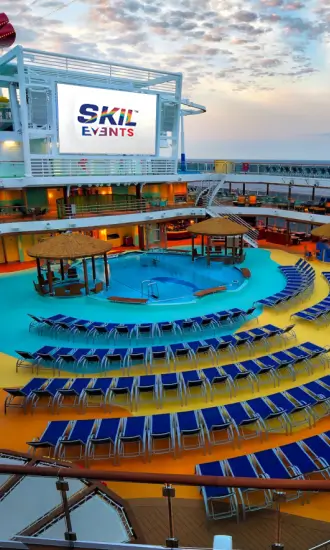
Something interesting is happening in retention strategy this year. Compensation is still the biggest lever; nobody is pretending otherwise, but companies fighting for Gen Z talent in a genuinely tight market for good performers have started noticing that a well-designed offsite or incentive trip moves retention numbers in ways a slightly bigger bonus does not always manage. This is forcing a real rethink of what incentive travel formats motivate sales teams and improve performance in India, especially for the generation that famously prioritizes experience over accumulation.
The classic sales incentive trip- a beach resort, some free time, a gala dinner, a plaque- worked well for a workforce that valued the trip as a status symbol and a rest period. Gen Z employees, broadly speaking, respond less to the status signal and more to whether the experience actually feels distinctive, whether it offers something they could not easily book themselves, and whether the company genuinely seems invested in them as individuals rather than processing them through a standard rewards template. This is why well-planned Incentive Programs in Chandigarh can focus on immersive experiences, team activities, and meaningful recognition instead of relying solely on traditional reward structures.
Companies still running the 2015 version of the incentive trip are finding it does less retention work than it used to, not because the format is inherently bad, but because the audience's relationship to travel and reward has shifted underneath it.
Personalization is doing more work than scale. A trip that lets top performers choose between two or three distinct experience tracks, an adventure-focused itinerary versus a wellness-focused one versus a culturally immersive one, outperforms a single one-size-fits-all program, because it signals the company sees individual preference rather than treating the team as interchangeable.
Storytelling and content opportunity matters more than it used to as well. Younger high performers increasingly value experiences that generate genuinely shareable content, not staged corporate photo ops, but authentic, well-produced moments they would want on their own channels. Incentive programs that build in a proper content capture layer, good photography, and a highlight reel are seeing measurably higher satisfaction scores than programs that treat documentation as an afterthought.
Access and exclusivity beat luxury for luxury's sake. A curated small group experience with genuine access, a private tasting with an actual chef, and a behind-the-scenes moment at a venue most people cannot book tends to land better with this cohort than a generically five-star hotel with nothing distinctive happening inside it.
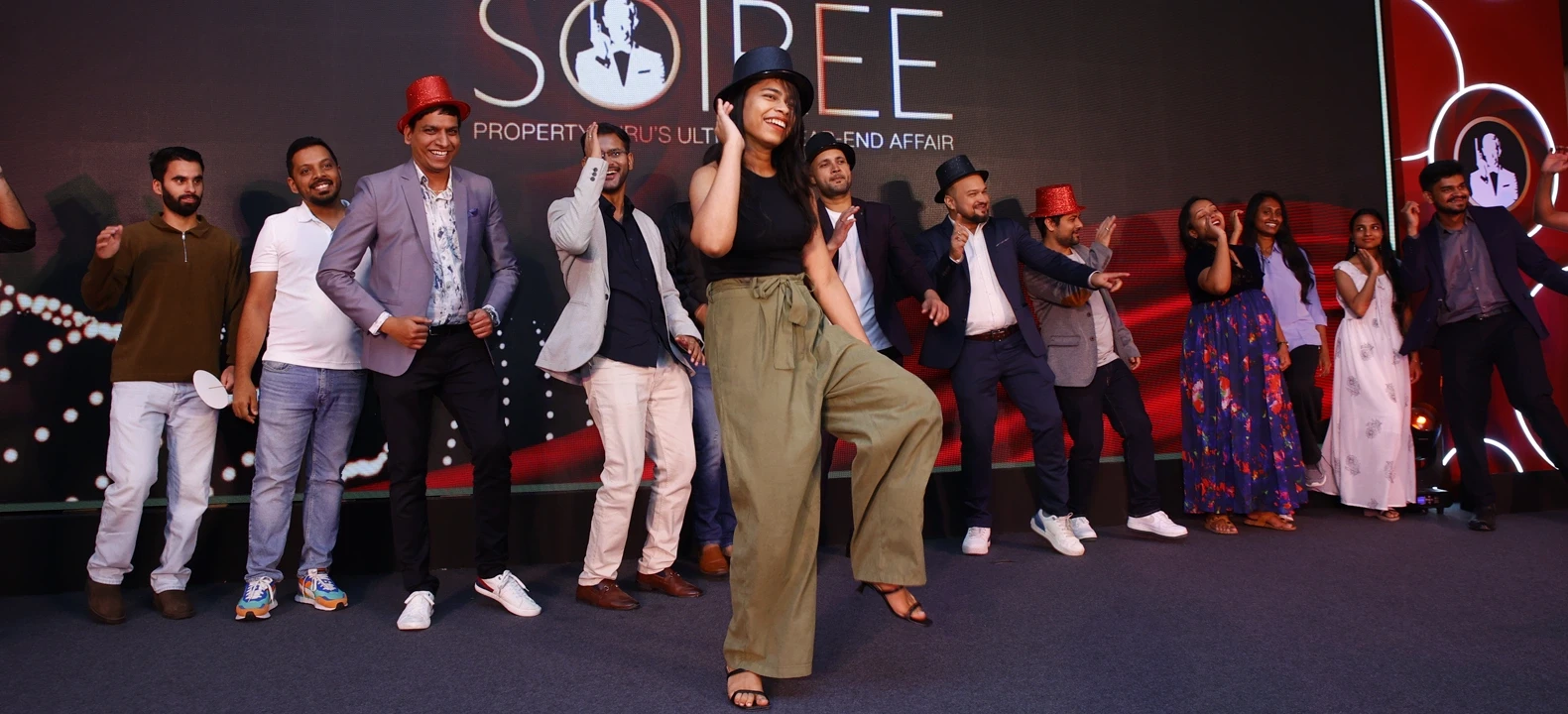

Incentive Programs in Chandigarh have grown noticeably as companies expand sales operations into Tier 2 cities and want incentive structures that feel locally relevant rather than assuming everyone wants the same Goa or Bali package that has been standard for a decade. Regional teams often respond strongly to destinations and formats tailored to their specific market context, rather than a corporate default designed around headquarters preferences.
This connects to a broader shift in Leadership Offsite in Chandigarh planning too, where companies expanding regional leadership teams are treating offsites as genuine retention tools for mid-level leaders in growth markets, not just a headquarters perk extended as an afterthought to regional offices.
The rewards and recognition event format itself is evolving alongside incentive travel. Instead of a single annual gala where recognition gets compressed into one evening, companies are spreading recognition moments across smaller, more frequent touchpoints throughout the year, with the flagship event serving as a capstone rather than the only moment anyone gets acknowledged. This matters specifically for retention because delayed gratification, waiting eleven months for the one night your work gets recognized, resonates far less with younger employees who expect more continuous feedback loops.
Companies serious about using travel and offsite experiences as retention tools this year are moving away from one-size-fits-all incentive programs toward tiered, personalized formats with genuine choice built in. They are investing in content capture as a core program element, not an afterthought. And they are extending thoughtful offsite and incentive design to regional teams and tier 2 city offices rather than concentrating the best experiences at headquarters.
None of this replaces competitive compensation as the foundation of retention. But in a market where multiple companies are offering comparable pay for comparable roles, the quality and thoughtfulness of the experience layer- the offsites, the incentive trips, the recognition moments- is increasingly the differentiator that keeps a strong performer from taking the next call from a recruiter.
SKIL Events has been working with companies navigating exactly this shift, helping design incentive travel and offsite programs that go beyond the generic template and actually reflect what a specific team values. That often means smaller, more curated groups instead of one giant trip for everyone, destinations chosen for genuine relevance rather than habit, and a recognition structure that feels continuous rather than compressed into a single night once a year. For companies fighting hard to keep their best young talent through 2026, this kind of thoughtful, well-executed program design is turning into a genuine competitive advantage, not just a nice-to-have line item in the HR budget.
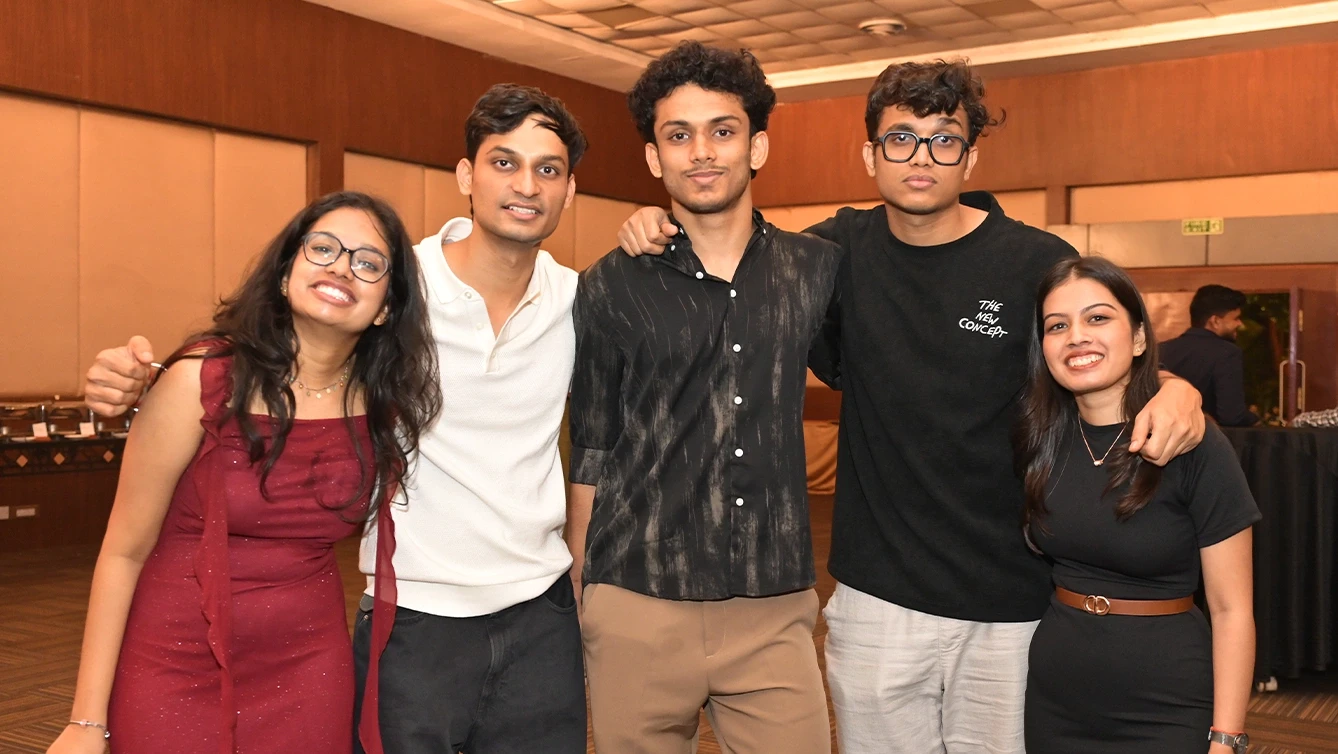
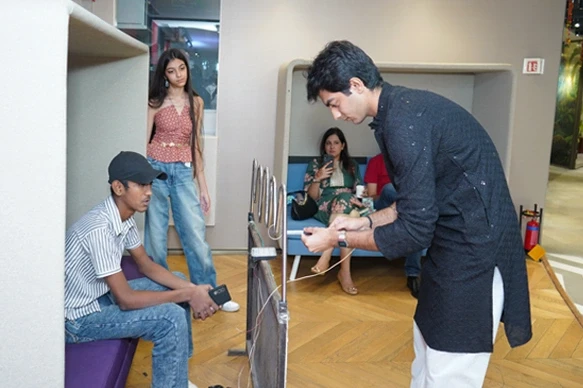
Personalized, tiered programs offering genuine choice between distinct experience tracks tend to outperform one size fits all trips, particularly when paired with authentic content capture and access to exclusive, non generic experiences.
Younger employees generally value distinctive, shareable experiences and personalization over status signaling, making the standard resort and gala format less effective at driving retention than it once was.
Companies are increasingly tailoring destinations and formats to regional market context rather than defaulting to a headquarters designed package, recognizing that regional teams respond better to locally relevant programs.
Spreading recognition across smaller, frequent touchpoints throughout the year, with one flagship event as a capstone, tends to resonate better with younger employees who expect more continuous feedback than an annual gala provides.
Increasingly yes, as companies treat offsites for regional leadership teams as genuine retention tools in growth markets rather than a lesser version of the headquarters experience.